

In the shifting currents of Florida Democratic politics, one candidate has quietly assembled a coalition that signals broader party momentum ahead of the 2026 cycle. Michele Rayner Senate endorsements from five sitting senators have drawn fresh attention to her bid for Senate District 16, where she challenges Fentrice Driskell in the August primary. The race centers on questions of representation, policy priorities, and the ability to mobilize voters across Pinellas and Hillsborough counties. Both women bring legislative experience, yet the recent show of support for Rayner highlights how institutional backing can influence perceptions in a contest that remains far from decided.
Origins of the Senate District 16 Race
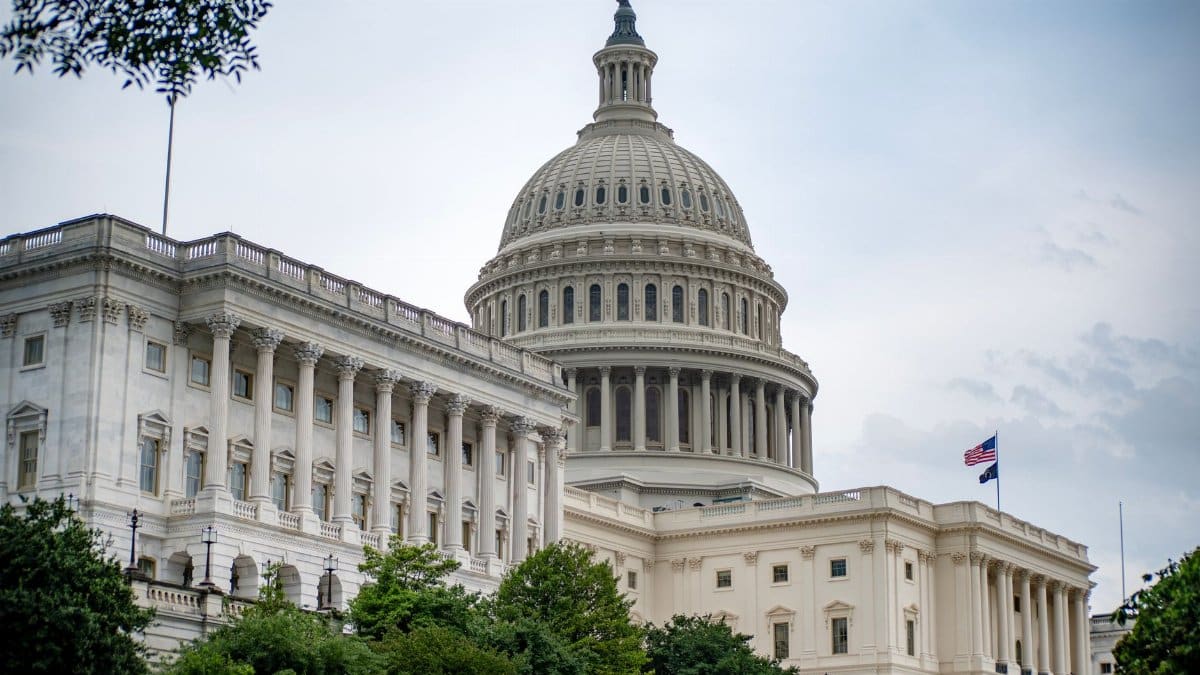
Senate District 16 covers a diverse stretch of the Tampa Bay area that includes urban neighborhoods, suburban communities, and coastal precincts. Population growth and changing demographics have altered the electorate since the last redistricting. Rayner, who previously served in the state House, announced her Senate campaign with an emphasis on housing affordability and public school resources. Driskell, the current incumbent, has focused on criminal justice reforms and economic development. The contest pits two experienced lawmakers against each other in a district that leans Democratic but rewards candidates who can connect across different voter blocs.
Details Behind the Five Senator Endorsements
The five Democratic senators who have backed Rayner represent districts from South Florida to the Panhandle. Their statements cite her record on committee work and constituent services as reasons for their support. These endorsements arrived over several weeks in early summer and were announced through joint press releases rather than large public rallies. Party strategists view the move as an attempt to consolidate support early and reduce the chance of a prolonged primary battle that could drain resources needed for the general election.
How Institutional Backing Shapes Primary Dynamics

Endorsements from sitting senators carry weight because they signal access to fundraising networks and experienced campaign staff. In past Florida primaries, similar shows of unity helped nominees avoid divisive internal fights. Rayner has used the announcements to emphasize shared legislative goals, while Driskell continues to highlight her own accomplishments in the chamber. Voters in the district have responded with modest increases in early donations to both campaigns, according to state finance reports.
Policy Positions That Resonate with Endorsers

Rayner has stressed the need for expanded access to mental health services and stronger protections for coastal communities facing storm risks. The senators backing her share records of supporting similar measures in their own districts. Driskell, meanwhile, points to legislation she sponsored on wage standards and small business grants. The overlap on several issues suggests the primary may turn less on sharp policy differences and more on personal style and organizational strength.
Fundraising Patterns Since the Endorsements

Campaign finance filings show Rayner closing the gap in total receipts after the endorsements became public. Individual contributions from political action committees tied to the five senators have appeared in her latest reports. Driskell maintains a solid base of support from labor groups and trial lawyers. Both candidates have avoided large outside spending so far, keeping the contest focused on local donors and volunteer networks.
Voter Reactions Across the District

Door knocking teams for Rayner report that many residents recognize the names of the endorsing senators and ask about the reasons for their support. In community forums held in St. Petersburg and Tampa, attendees have questioned whether the endorsements reflect genuine consensus or simply an effort to clear the field. Driskell supporters counter that longevity in office matters more than new alliances. Turnout in the August primary will depend on which message connects more effectively with infrequent voters.
Comparisons to Previous Florida Primary Contests

Observers have drawn parallels to earlier Senate races where early party consolidation either succeeded or backfired. In some cases, the endorsed candidate coasted to victory. In others, the move galvanized opposition from voters wary of top down decisions. Rayner has tried to frame the endorsements as organic rather than orchestrated, pointing to shared work on past bills. Driskell has avoided direct criticism of the senators while underscoring her independence.
Media Coverage and Public Perception
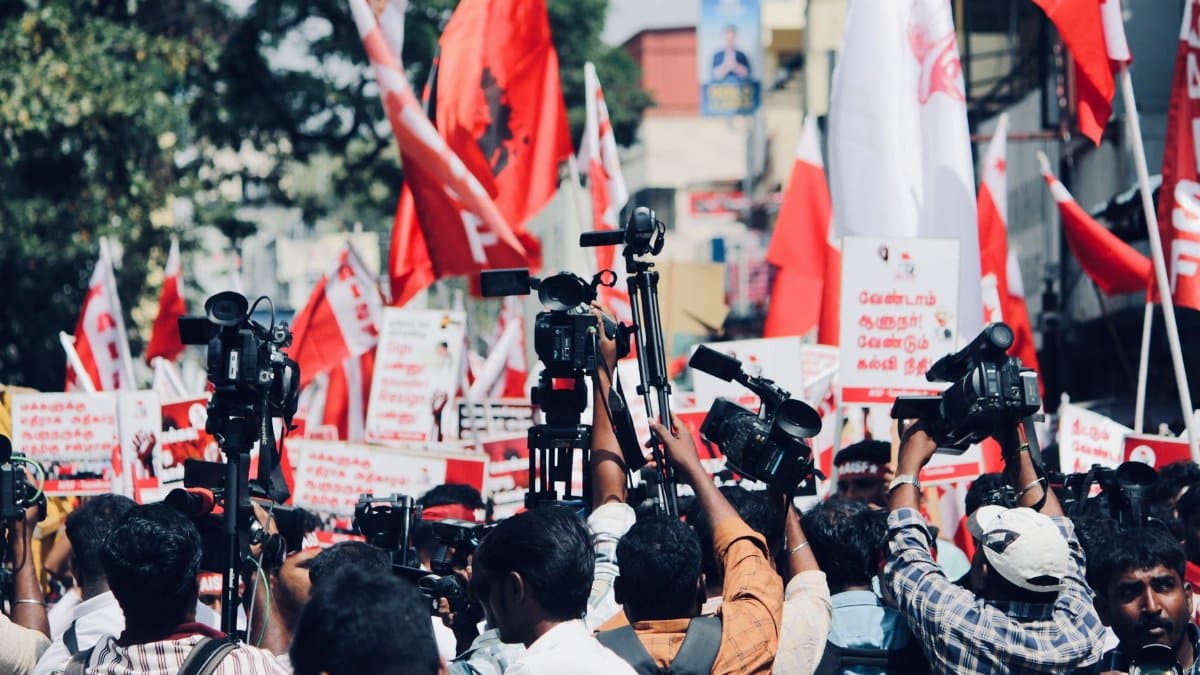
Local outlets have given steady attention to the endorsement announcements without declaring a clear frontrunner. Editorial boards have so far withheld endorsements of their own. Social media discussion remains limited compared with higher profile statewide races. The tone of coverage suggests journalists view the contest as important yet contained, with most voters still forming opinions based on name recognition and local issues rather than national trends.
Outlook for the August 2026 Primary

The coming months will test whether the five endorsements translate into broader volunteer activity and higher name identification. Rayner plans additional events with the senators in the fall, while Driskell intends to highlight her legislative record through targeted mail and digital ads. The outcome will influence how party leaders approach other open seats in future cycles. For now, the race remains a contest of organization and personal connection in a district where both candidates hold established footholds.