

The bustling docks along Lake Michigan have long served as a vital artery for Midwest commerce, yet recent tensions have drawn intense scrutiny to local leadership amid shifting economic pressures. As disputes simmer between dockworkers and port operators, the situation known as Chicago Port Labor Strife Mayor Johnson has emerged as a key test for city governance and regional stability. Observers note how these conflicts could shape voter perceptions ahead of upcoming elections, reflecting broader struggles over wages, working conditions, and infrastructure investment in a post pandemic economy.
Roots of Tension at the Waterfront

Port facilities in Chicago handle millions of tons of cargo each year, supporting industries from manufacturing to agriculture across several states. Workers have voiced concerns about outdated equipment and staffing shortages that slow operations and raise safety risks. Management counters that global supply chain disruptions have strained budgets, limiting room for immediate concessions. These frictions have built over months, turning routine contract talks into prolonged standoffs that affect daily throughput.
Role of Elected Leadership in Mediation

Mayor Brandon Johnson has called for dialogue between parties, emphasizing the need to protect jobs while keeping trade flowing. His administration has proposed task forces to review port efficiency, though critics question whether such steps will yield concrete changes. The Chicago Port Labor Strife Mayor Johnson highlights how municipal authority intersects with labor law typically handled at state or federal levels.
Impact on Regional Supply Networks

Delays at the port ripple outward, raising costs for retailers and farmers who rely on timely shipments. Trucking firms report longer wait times, while rail operators adjust schedules to accommodate backups. Communities farther inland feel the pinch through higher prices on goods ranging from steel beams to fresh produce. Analysts project that extended disruptions could trim growth forecasts for the entire metropolitan area.
Union Priorities and Worker Voices
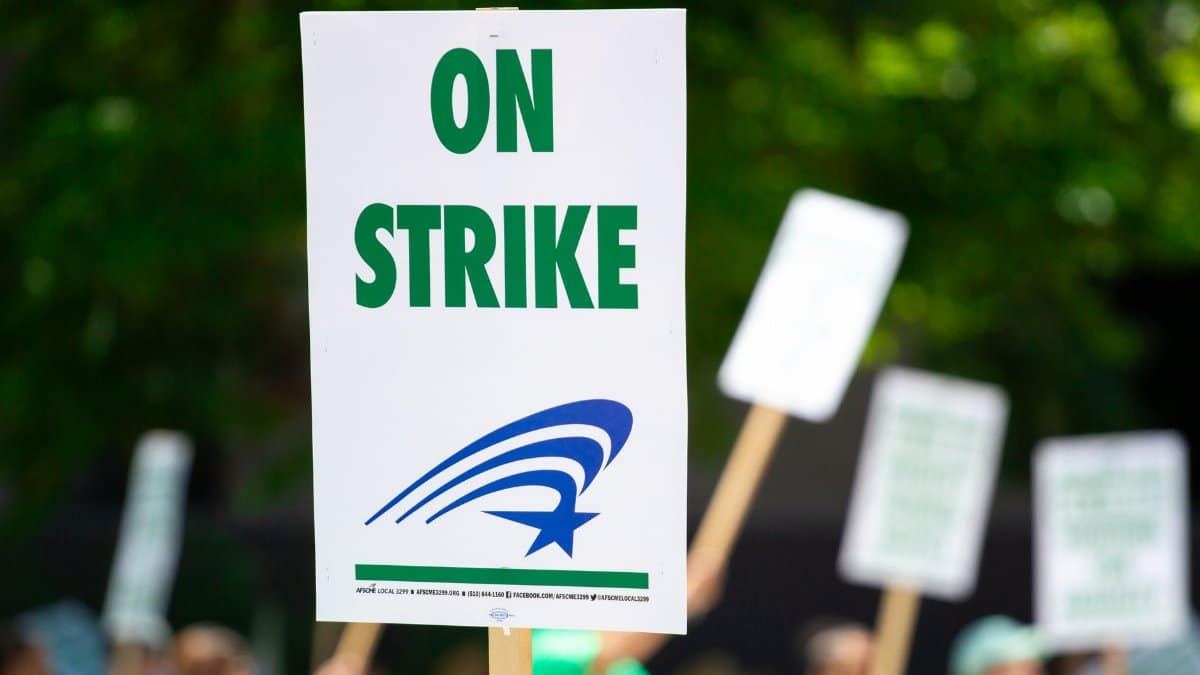
Representatives for dockworkers stress demands for better pay scales adjusted to inflation and improved health coverage. Many employees describe grueling shifts amid heavy machinery, arguing that current conditions fail to match the physical demands of the job. Solidarity among unions has strengthened, with rallies drawing support from other sectors facing similar pressures in the city.
Business Reactions and Investment Concerns

Chamber of commerce leaders warn that uncertainty may deter new projects at the port, where modernization efforts require private capital. Some firms have explored alternative routes through other Great Lakes terminals or southern gateways, seeking reliability over proximity. This shift could alter long standing trade patterns that have benefited Chicago for generations.
Political Calculations for the Mayor

Johnson balances appeals from labor allies who helped secure his position with the need to maintain broad appeal among business oriented voters. Public statements frame the issue as an opportunity for collaborative problem solving rather than confrontation. Yet polls suggest residents worry about rising expenses tied to any slowdown, adding pressure to resolve matters quickly.
Paths Toward Agreement

Negotiators continue to meet under federal oversight, exploring compromises on automation limits and overtime rules. Past port agreements in other cities offer models for phased upgrades that pair technology with workforce training. Success here could set precedents for similar facilities nationwide facing parallel challenges.
Outlook for Citywide Economic Health

Resolution of the Chicago Port Labor Strife Mayor Johnson could bolster confidence in local leadership and attract fresh infrastructure funding. Persistent conflict, however, risks compounding fiscal strains already present in city budgets. Stakeholders across sectors watch closely, aware that outcomes will influence Chicago competitiveness for years ahead. The situation known as Chicago Port Labor Strife Mayor Johnson serves as a reminder of how localized disputes carry weight far beyond the docks themselves.