
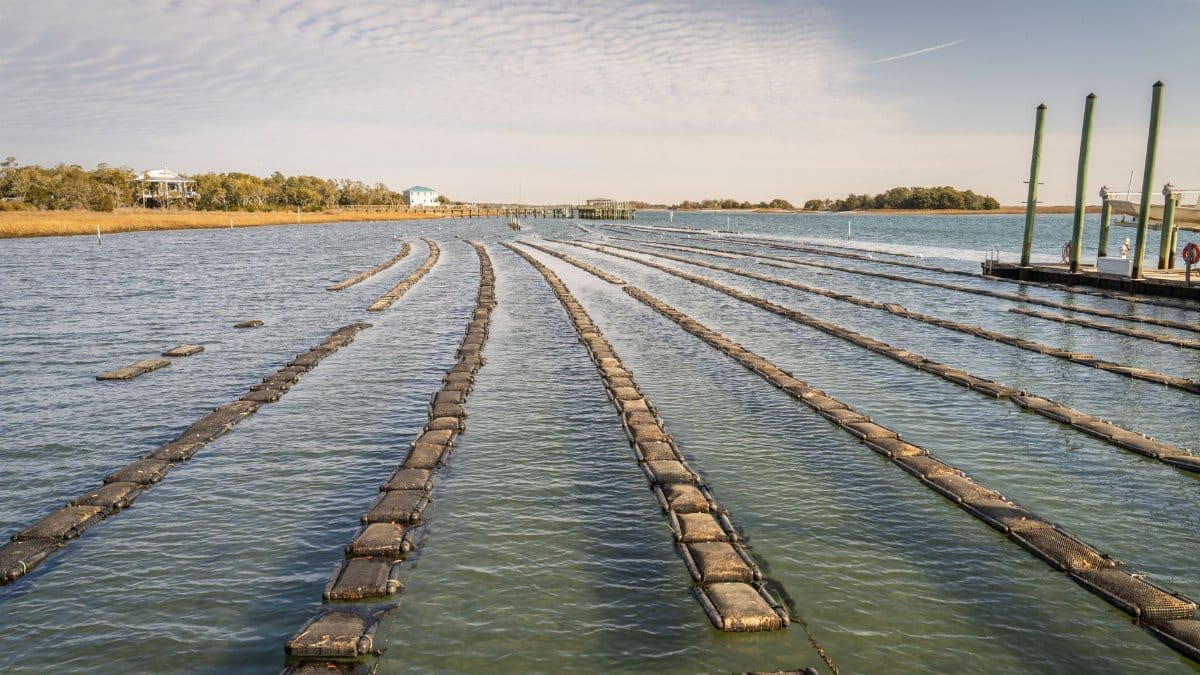
Along the winding banks of a Florida waterway scientists have observed a quiet resurgence of marine life that signals broader environmental progress. In recent seasons oyster clusters have reappeared in areas once stripped bare by pollution and development. This shift has drawn attention to Tampa Bay Oyster Restoration as a model for similar efforts elsewhere. Field observations indicate improved water clarity and increased fish activity around the recovering beds.
Historical Pressures on Local Waterways
Decades of urban expansion altered the natural balance in Tampa Bay and its tributaries. Dredging and runoff reduced suitable habitats for filter feeding shellfish. Early records show dense reefs that once lined the shores provided shelter for countless species. Over time those structures vanished leaving behind murky conditions and diminished biodiversity. Restoration teams now reference those past conditions when planning new placements of shell material and spat.
Scientific Methods Driving Recovery

Biologists employ a combination of mapping tools and field sampling to identify viable sites. They monitor salinity levels and predator presence before introducing young oysters. Data collected over multiple seasons reveals steady growth rates when conditions align. Partnerships with universities allow for genetic analysis that helps select resilient stock. These steps form the backbone of sustained Tampa Bay Oyster Restoration initiatives.
Community Participation and Local Knowledge
Residents along the Manatee River have contributed hours of volunteer labor to build reef bases. Their familiarity with seasonal currents informs placement decisions that improve survival odds. School groups visit project sites to learn about estuarine health. Such involvement fosters a sense of stewardship that extends beyond the immediate work. Stories shared by longtime boaters add context to official reports.
Measuring Ecological Gains

Water samples taken before and after reef construction show reductions in nutrient loads. Bird counts in adjacent marshes have risen as food sources multiply. Divers report thicker clusters of oysters that attract juvenile crabs and shrimp. These indicators suggest the project supports a wider web of life. Ongoing tracking will determine whether gains persist through storm events.
Economic Dimensions of Habitat Work
Healthy oyster populations can bolster nearby fisheries by enhancing nursery areas. Tourism operators note interest from visitors curious about restoration sites. Local businesses supply materials and equipment for the projects. Economists studying similar efforts elsewhere estimate potential returns through improved property values near cleaner shores. The approach blends conservation with practical benefits for coastal economies.
Obstacles Encountered During Implementation

Shifting weather patterns sometimes delay deployments of new material. Funding cycles require repeated grant applications that consume staff time. Invasive species occasionally compete for space on the reefs. Teams address these issues through adaptive planning and regular site assessments. Flexibility remains essential in dynamic estuarine settings.
Future Outlook for Broader Application

Lessons from the current work could guide projects in other parts of the Gulf Coast. Scaling up would require additional coordination among agencies and private landowners. Research continues on materials that might better withstand changing ocean chemistry. Success here offers a template that emphasizes patience and repeated measurement. Continued support will determine how widely the methods spread.