
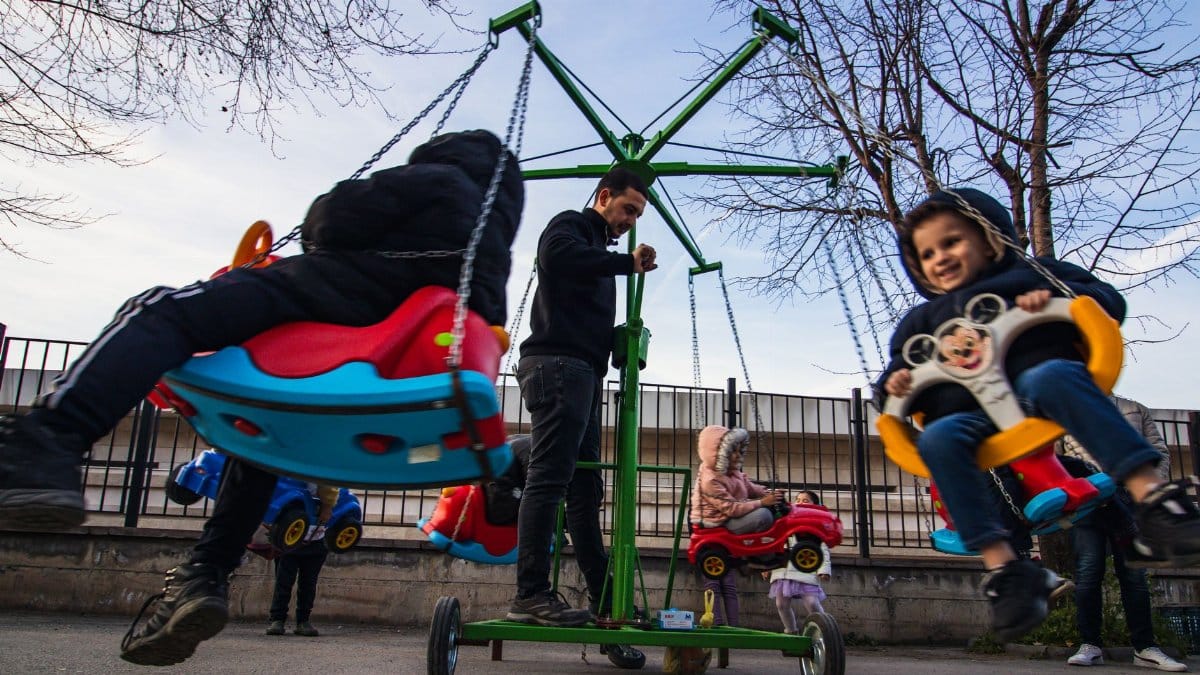
In the heart of policy debates over border enforcement a proposed site known as the ICE Louisiana Deportation Facility has drawn attention for its potential to alter how officials manage removals involving parents and their children. Observers note that such centers often reflect broader efforts to balance security priorities with practical logistics yet questions linger about effects on family units and community ties across the region. The announcement arrives amid ongoing national conversations about migration patterns and the human dimensions of enforcement actions. Advocates and analysts alike watch closely as details emerge about capacity staffing and operational timelines for this particular location.
Understanding Recent Policy Shifts

Federal approaches to immigration have evolved in response to changing migration flows and legal frameworks. This facility represents one element in a larger strategy aimed at processing cases involving families. Officials emphasize streamlined procedures while critics highlight risks of separating loved ones during sensitive periods. Data from similar operations elsewhere suggest mixed outcomes depending on resources allocated and oversight mechanisms in place.
Geographic Considerations in Louisiana

The choice of location brings unique regional factors into play including proximity to transportation routes and existing infrastructure. Louisiana has hosted various federal operations in the past which allows for quicker setup yet local communities express concerns over added demands on public services. Economic impacts could range from job creation in support roles to strains on housing and schools if populations fluctuate rapidly.
Effects on Families and Children

Central to discussions is how such facilities influence daily life for those in custody. Guidelines call for attention to education access and medical needs but implementation varies widely in practice. Stories from past enforcement waves illustrate both resilience among families and instances of prolonged uncertainty that affect emotional wellbeing across generations.
Humanitarian Perspectives on Enforcement

Many faith based groups and aid organizations stress the need for compassion alongside legal requirements. They point to principles of dignity that transcend political divides and urge measures to minimize trauma during transitions. Collaboration with nonprofits has proven valuable in other states for providing support services though coordination challenges remain common.
Operational Logistics and Capacity
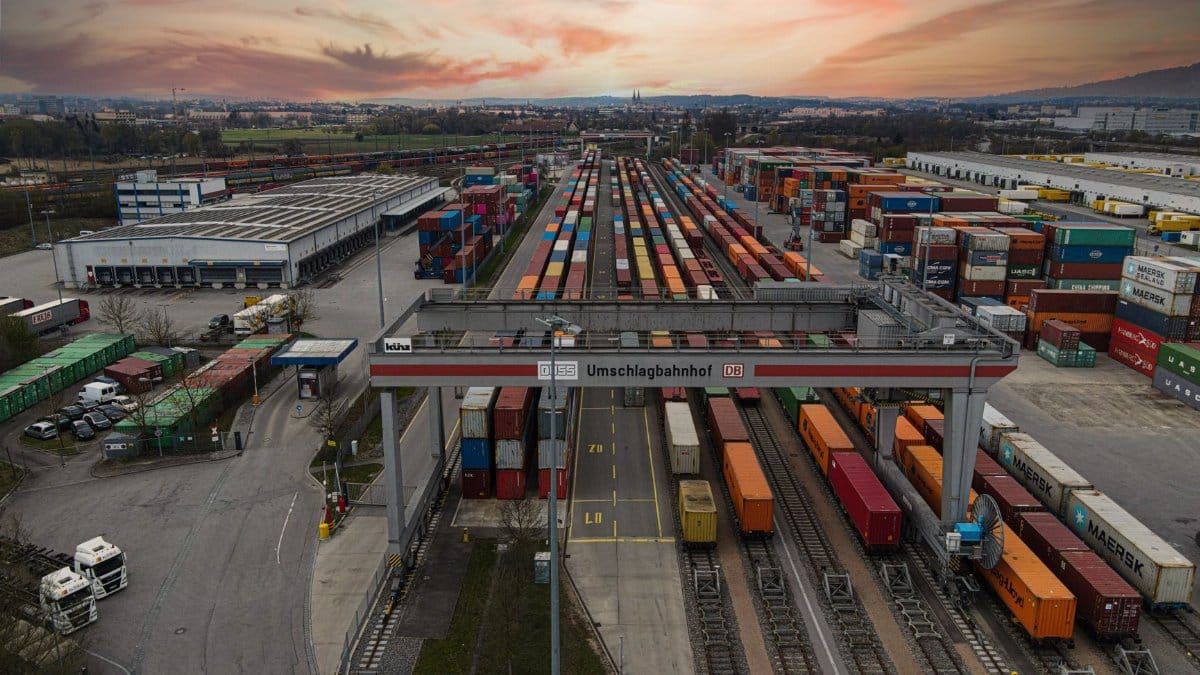
Planning documents outline staffing models and security protocols tailored to family units rather than single adults. Training programs focus on cultural sensitivity and child protection standards to meet federal benchmarks. Success will depend on sustained funding and adaptability to unexpected surges in arrivals or legal rulings that alter procedures.
Community Responses and Local Views

Residents in surrounding areas voice a range of opinions from support for stronger border measures to worries about social cohesion. Town hall meetings have served as forums for airing these perspectives and building dialogue between officials and citizens. Media coverage has amplified both supportive and critical voices shaping public understanding of the project.
Broader National Implications
What happens in Louisiana may set precedents for similar initiatives nationwide as policymakers seek consistent methods across jurisdictions. Comparisons with facilities in Texas or Arizona reveal differences in scale and approach that inform ongoing refinements. Long term outcomes will likely influence future budget allocations and legislative proposals in Congress.
Looking Ahead to Implementation

As construction and staffing advance attention turns to monitoring frameworks and accountability measures. Independent reviews could help ensure standards are upheld while allowing flexibility for emerging needs. The coming months promise further developments that will test the balance between efficiency goals and protective safeguards for all involved.