
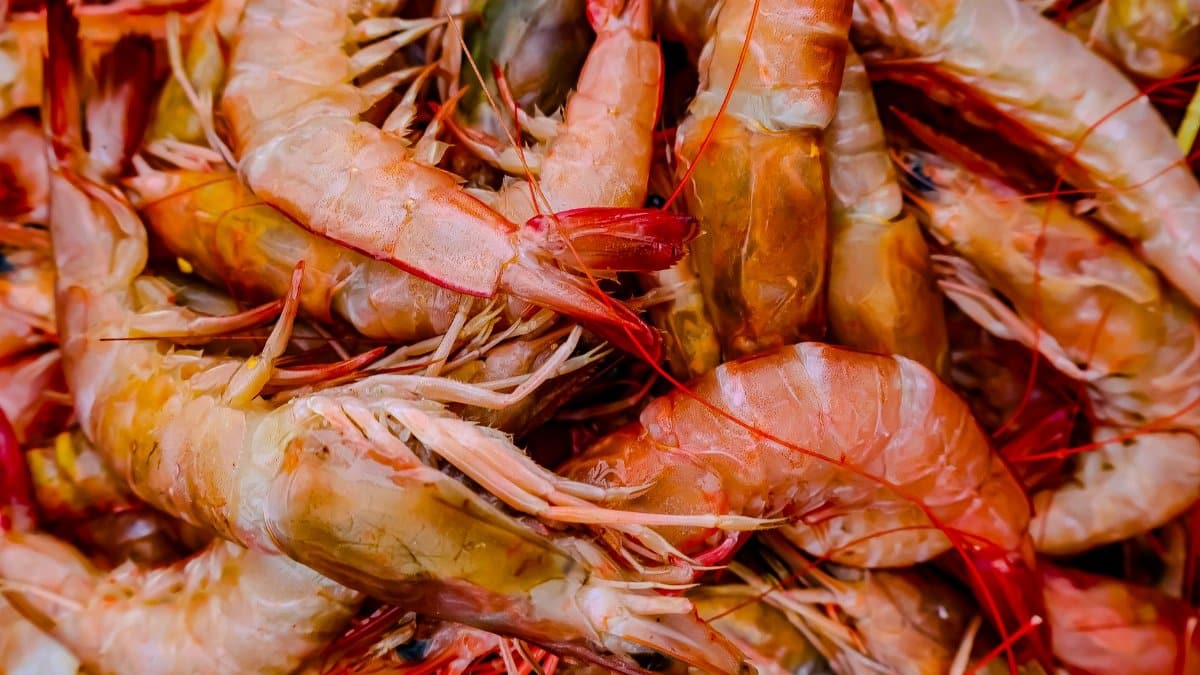
Recent confirmation that a tiny crustacean has reached every major body of water in the upper Midwest has stirred fresh concern among scientists and resource managers. The bloody red shrimp, originally from the Black and Caspian seas, now maintains self sustaining populations throughout the region. Its arrival completes a troubling pattern of aquatic arrivals that threaten native food webs and recreational economies alike. Observers note that this development underscores broader challenges posed by Great Lakes Invasive Species, which continue to arrive through ballast water, recreational boats and other pathways despite years of regulatory effort.
Pathways That Allowed the New Arrival

Vessels traveling from overseas ports have long served as primary vectors for nonnative organisms. Water taken on in foreign harbors can contain larvae or eggs that survive the journey and get released during operations near domestic ports. Even with treatment systems now required on many ships, gaps remain in enforcement and technology.
Ecological Pressures on Native Fish
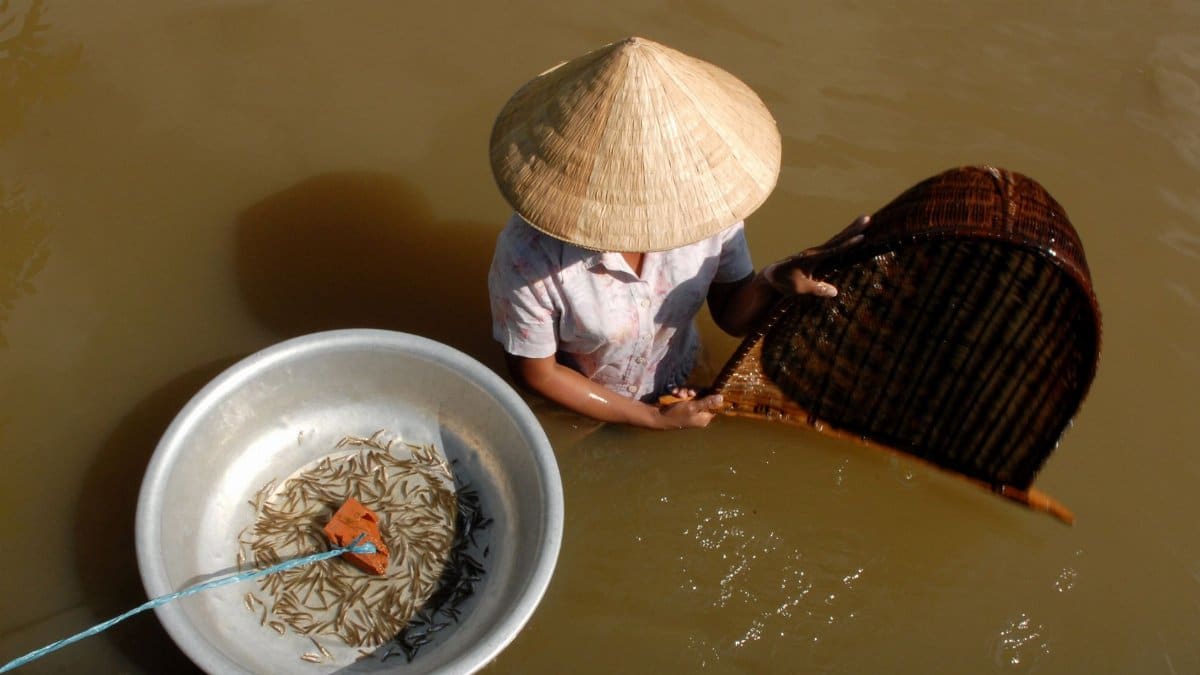
Once established, the shrimp competes directly with young perch and other forage species for limited zooplankton resources. Declines in those prey populations can ripple upward, affecting growth rates and survival of commercially valuable fish. Biologists tracking stomach contents have documented the shrimp appearing more frequently in samples from several locations.
Recreational Boating as an Ongoing Risk
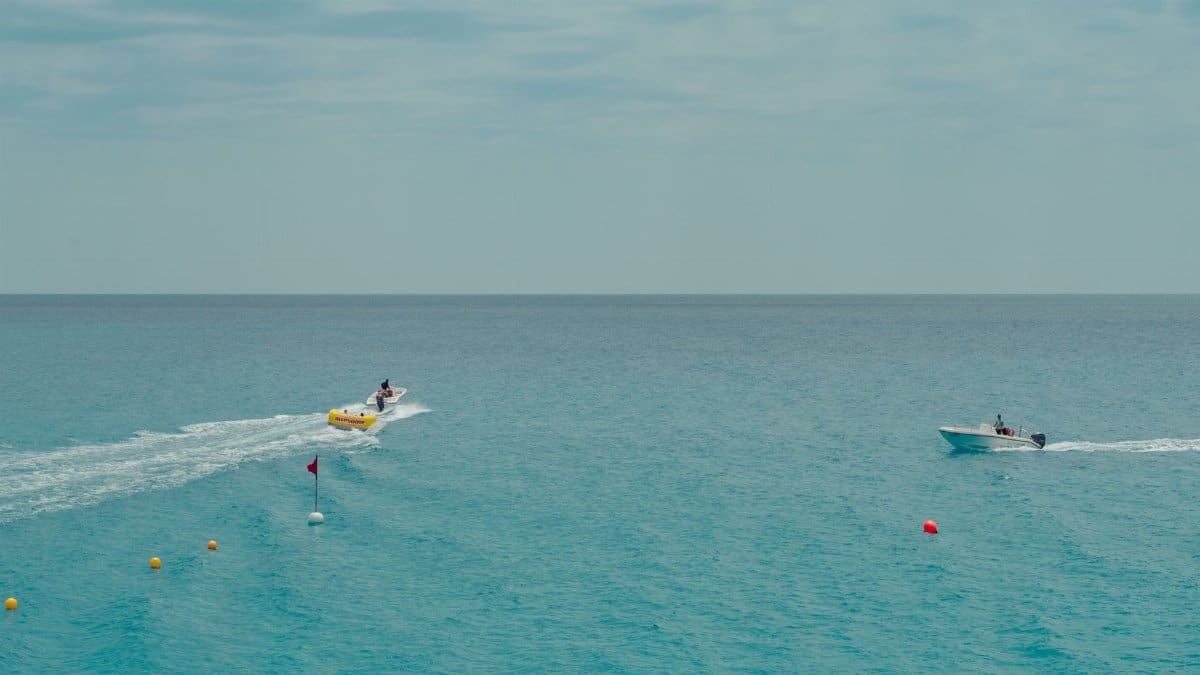
Trailered boats and personal watercraft move between lakes and rivers each season, often carrying small amounts of water or plant material that harbor eggs or juveniles. Simple steps such as draining live wells and rinsing hulls can reduce spread, yet compliance varies widely among users.
Monitoring Efforts Across State Lines

Agencies in Michigan, Wisconsin, Minnesota and neighboring jurisdictions coordinate sampling programs to detect new populations early. Genetic testing helps confirm whether individuals represent recent introductions or established reproduction. These networks rely on both agency staff and trained volunteers to cover the vast shoreline.
Economic Stakes for Coastal Communities
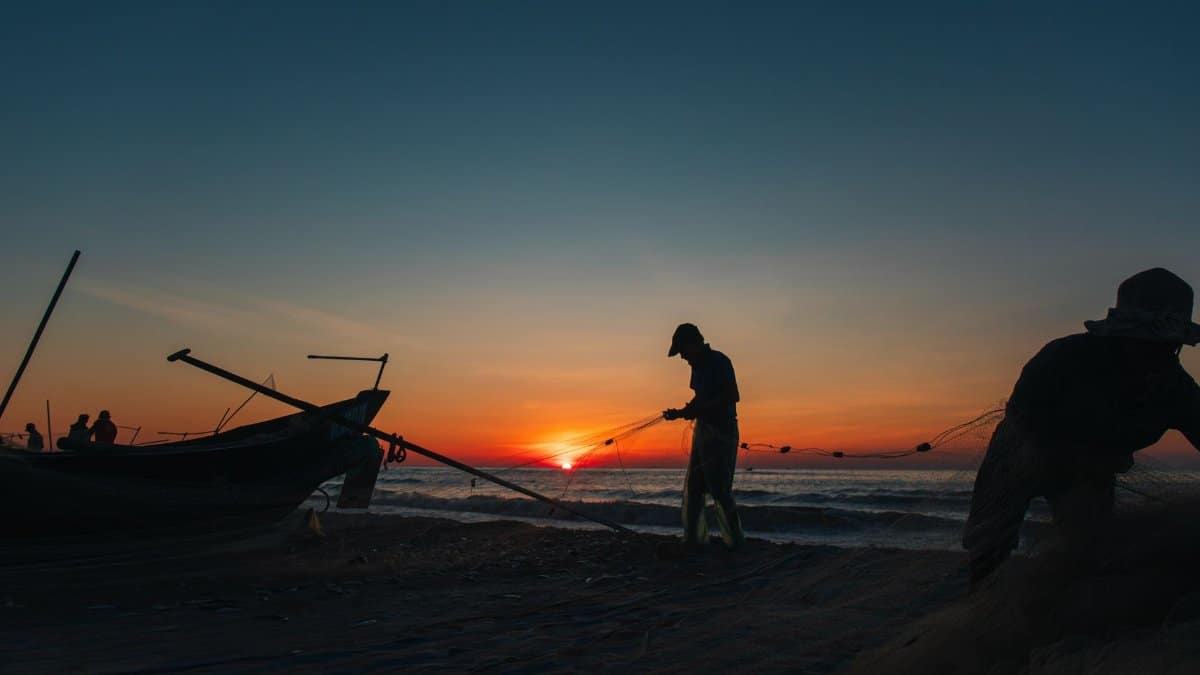
Fishing charters, marinas and lakeside restaurants depend on healthy fish populations and clear waters. Any sustained drop in angling success or perceived water quality can translate into lost revenue during peak summer months. Local governments have begun factoring invasive species response costs into annual budgets.
Research on Control Options

Laboratory trials continue to explore targeted removal methods, including traps and biological agents, though none has proven scalable in open water so far. Some researchers examine whether native predators can be encouraged through habitat adjustments that favor their numbers over the invader.
Policy Gaps in Ballast Regulation

Federal rules now mandate treatment for oceangoing ships, yet lakers that stay within the system face fewer requirements. Advocates argue that uniform standards across all commercial traffic would close a remaining loophole and slow future transfers of organisms between basins.
Public Reporting and Early Detection

Several states maintain hotlines and online forms so boaters and anglers can report unusual sightings. Prompt verification allows rapid assessment and, in rare cases, localized containment before wider establishment occurs. Citizen involvement has proven valuable in documenting spread of multiple organisms over the past decade.
Comparisons With Earlier Invasions

Previous arrivals such as zebra mussels transformed entire lake bottoms and altered nutrient cycling within a few years. Lessons from those episodes inform current strategies, though each new organism presents unique life history traits that require tailored responses rather than one size fits all approaches.
Future Outlook for the Watershed
Climate trends that lengthen shipping seasons and alter water temperatures may favor certain nonnative species over others. Continued investment in prevention, monitoring and rapid response remains essential if the system is to retain its ecological character and economic value for coming generations.