
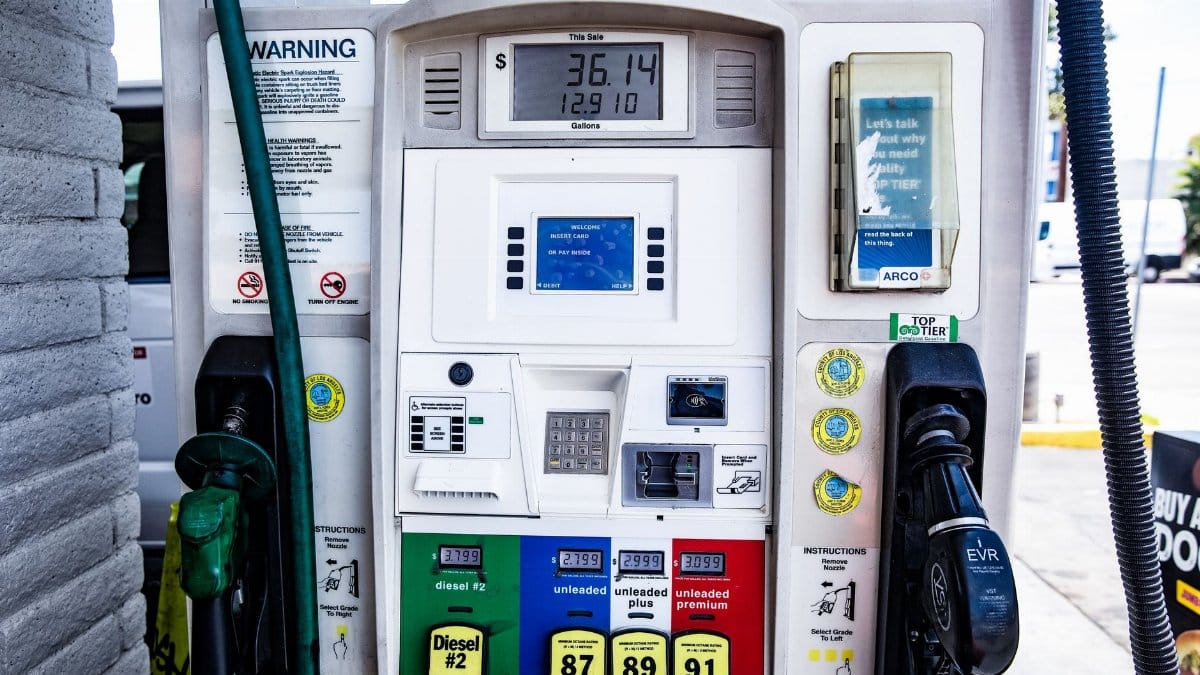
Massachusetts has long embraced cleaner transportation options yet recent data points to a notable Massachusetts EV Sales Slowdown even while fuel costs at the pump rose steadily through the past year. Observers in the state watched as registrations for battery powered cars leveled off after years of growth leaving analysts to question what factors beyond price at the station now shape buyer decisions. Families in suburban towns report weighing longer trips and access to reliable plugs against familiar routines that still favor gasoline models. This shift raises questions about how state policies and market offerings align with everyday needs across diverse communities.
Consumer Hesitation Amid Policy Shifts

Buyers cite uncertainty over future incentives as one reason for pausing purchases. State rebates once seen as reliable now face reviews that leave some wondering if the support will remain consistent. Middle aged households planning vehicle replacements often compare total ownership costs over five years rather than focusing solely on initial outlays. Conversations with dealership staff reveal that questions about battery longevity and resale values surface more frequently than in prior seasons.
Charging Infrastructure Gaps in Rural Areas
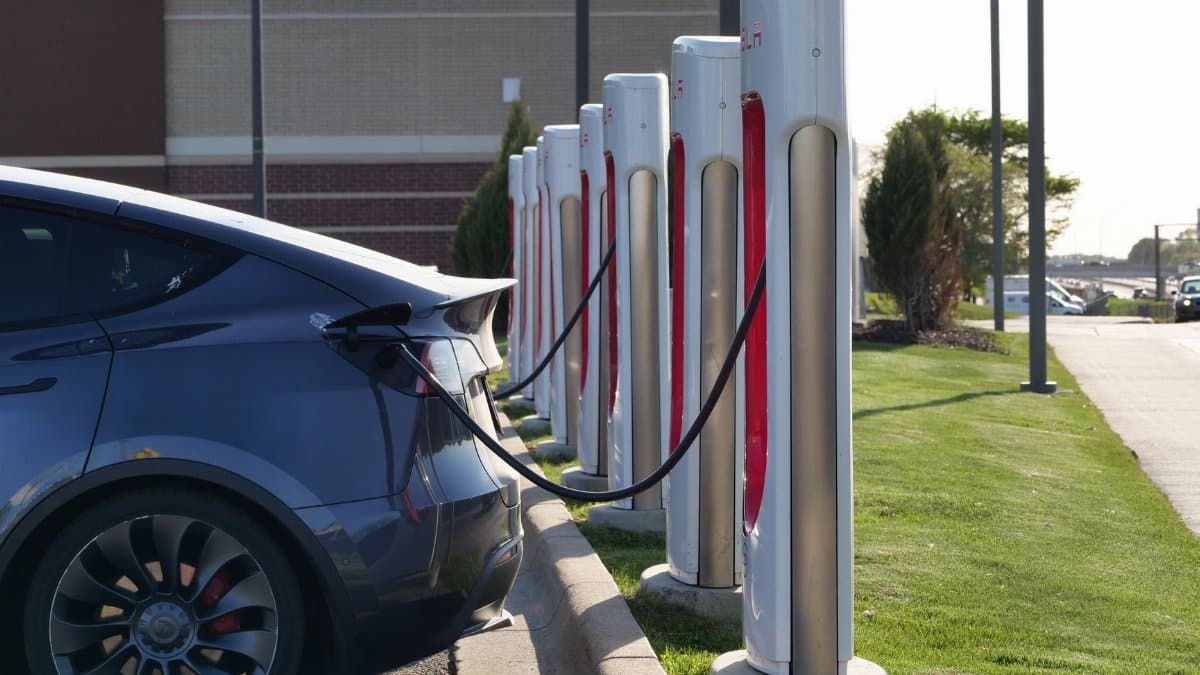
Many towns outside greater Boston still lack convenient fast charging locations forcing drivers to plan routes with extra time. Residents who commute across multiple counties describe the added stress of locating working stations especially during winter months when demand spikes. Local officials note that private investment has concentrated in denser corridors leaving coverage thinner elsewhere. This uneven network plays into perceptions that electric options suit city living better than broader regional travel.
Impact of New Model Releases on Demand
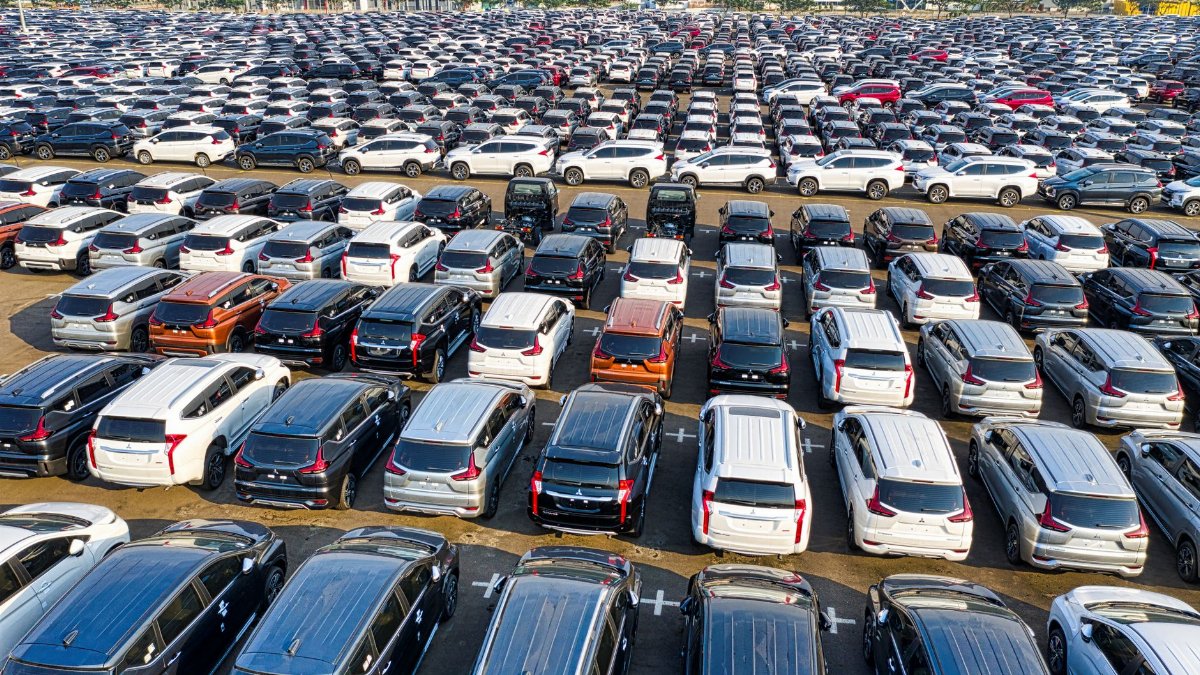
Automakers introduced several updated electric vehicles this season yet some features failed to address concerns about cargo space or towing capacity. Shoppers comparing these offerings to established gasoline counterparts often find the latter more versatile for family activities. Reviews from owners highlight that real world range can vary with temperature and load prompting caution among those who drive extensively for work. The result appears in slower movement of inventory at lots across the state.
Role of Gasoline Price Fluctuations
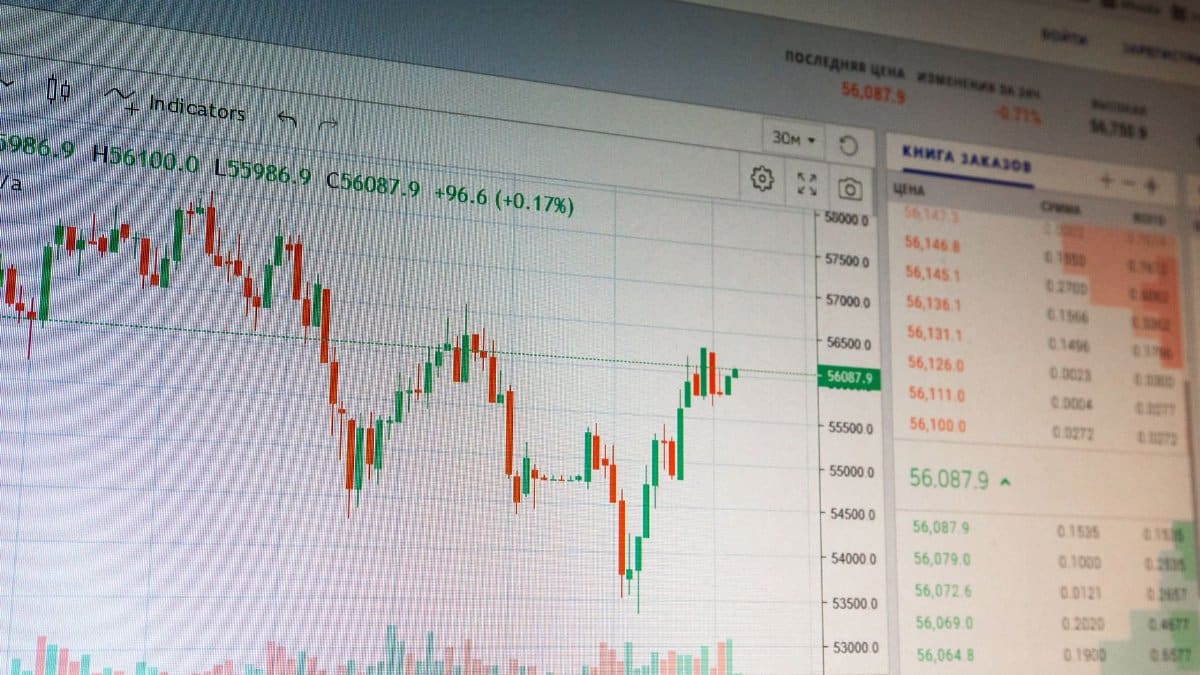
Although pump prices climbed the increases did not translate into the expected surge for electric alternatives. Many drivers absorbed the higher costs by adjusting driving habits instead of switching vehicle types. Economic analyses suggest that when price differences remain modest relative to overall household budgets the incentive to change stays limited. This pattern holds particularly among those who view cars as long term assets rather than frequent upgrades.
Dealer Perspectives on Buyer Conversations

Sales teams describe extended discussions about maintenance simplicity and parts availability for electric models. Prospective customers seek reassurance that service networks will match the convenience of traditional repair shops. Some dealerships report devoting more floor space to hybrid options as a middle path that addresses range anxiety without full commitment to plugs. These trends reflect broader caution in how information spreads through personal networks.
State Goals Versus Market Reality

Officials set ambitious targets for electric adoption yet current registration figures show the pace falling short of projections. Transportation planners now examine whether adjustments to public fleet purchases or workplace charging programs could help close the distance. Discussions in legislative sessions focus on balancing environmental aims with practical support for small businesses that rely on varied vehicle fleets. The Massachusetts EV Sales Slowdown thus serves as a prompt to revisit timelines rather than assume steady progress.
Comparisons With Neighboring States

Data from nearby regions indicate similar softening in electric sales despite differing incentive structures. This suggests influences that extend beyond any single policy framework such as national supply chain adjustments or shifting media coverage. Families who cross state lines for work encounter mixed signals about where charging and service prove most reliable. Such observations encourage a wider view of what drives or deters adoption.
Future Outlook for Clean Energy Transitions

Industry observers emphasize that technology improvements continue yet consumer adoption follows its own rhythm tied to daily life patterns. Efforts to expand public education on total costs and available support may help address lingering questions. Over time the Massachusetts EV Sales Slowdown could prove temporary if infrastructure catches up and model variety expands to meet varied needs. The coming months will likely reveal whether recent trends mark a pause or a longer adjustment in how the state moves toward lower emission transportation.