
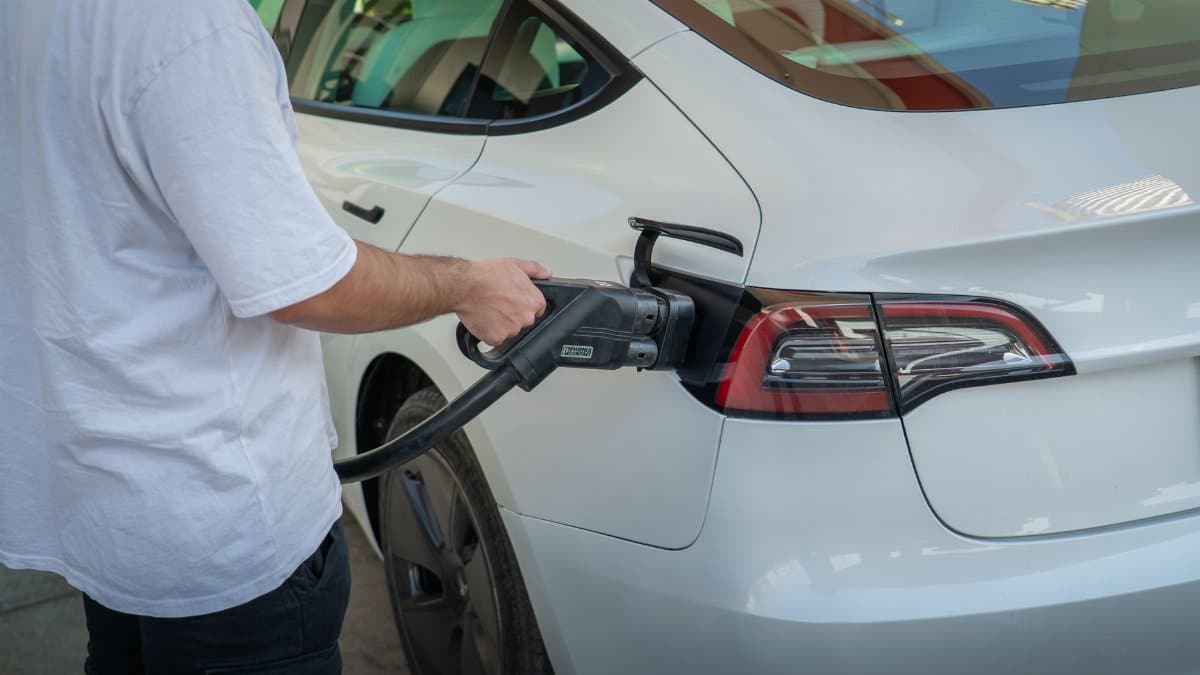
The quiet streets of Katy seemed an unlikely backdrop for tragedy until a Tesla Model 3 slammed into a suburban home and claimed the life of an elderly resident. Authorities later charged the driver, Michael Butler, with manslaughter in connection with the Tesla Crash Katy Texas that unfolded late one evening and left neighbors stunned by the sudden violence of the impact. Reports indicate Butler may have been consulting information on autonomous driving features moments before the collision, prompting questions about technology, distraction and responsibility that extend far beyond one address.
Details of the Collision and Immediate Aftermath
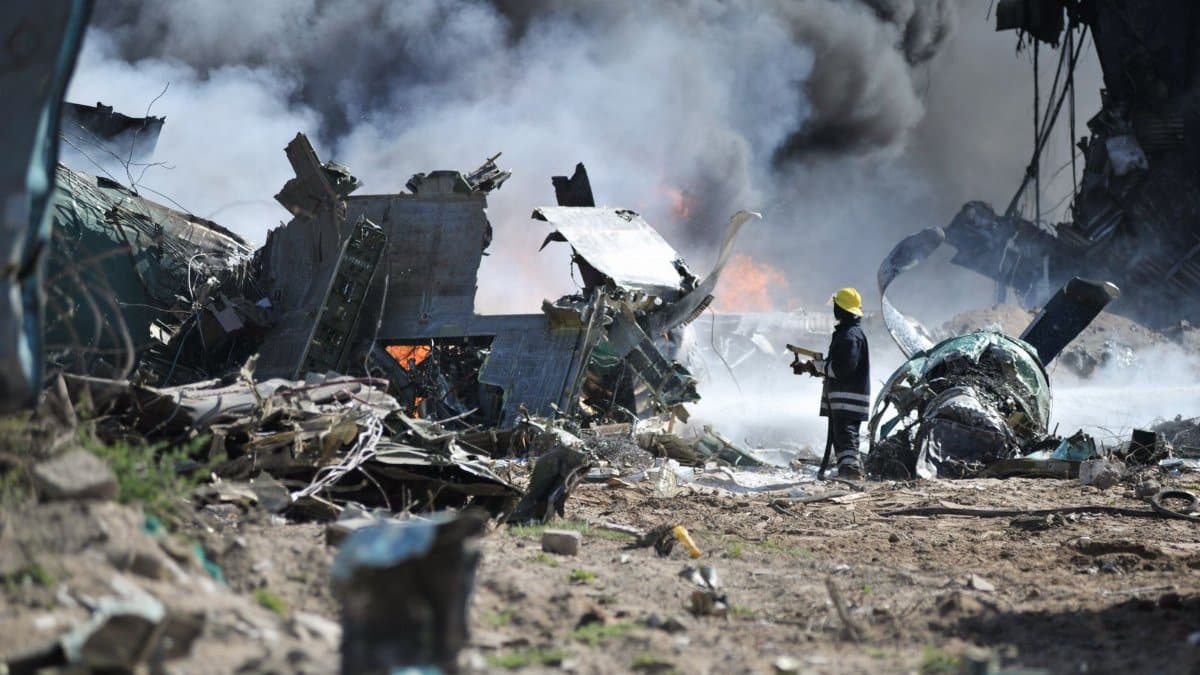
Police arrived to find the vehicle embedded in the front of the residence after it crossed a lawn and struck the structure at high speed. The victim, identified as a longtime Katy resident, was pronounced dead at the scene. Investigators noted that the Tesla had traveled an unusual path through the neighborhood before the final moments, raising early concerns about how the car was being operated.
Driver Background and Charges Filed
Butler, a Houston area resident, now faces serious criminal counts in Harris County court. Prosecutors allege reckless conduct contributed to the fatal outcome, while defense attorneys have signaled they will examine every aspect of vehicle performance and driver actions. Court records show no prior major traffic violations that would have flagged him as a high risk operator before this event.
Role of Full Self Driving Information Searches
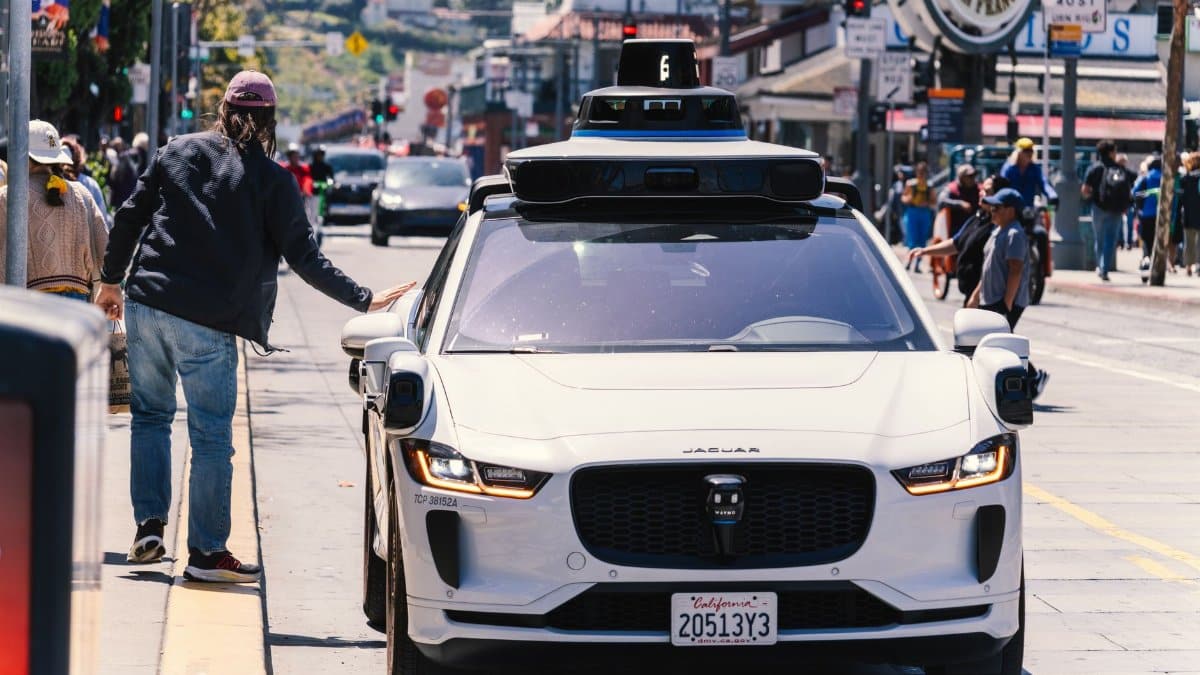
Detectives recovered evidence suggesting Butler accessed online material related to Tesla autonomous capabilities shortly before the crash. This detail has drawn attention from safety advocates who question whether reliance on emerging technology can create a false sense of security during routine drives. The precise timing and content of those searches remain under review by multiple agencies.
NTSB Involvement and Technical Examination
Federal investigators joined local teams to download data from the Tesla computer systems. Their work focuses on speed, braking patterns and whether any driver assistance functions were engaged in the seconds leading to impact. Such analyses often take months yet can provide clarity on whether mechanical or human factors proved decisive.
Community Response in Katy Neighborhoods
Residents gathered at a nearby park to share memories of the woman who lost her life and to discuss fears about speeding vehicles on residential roads. Some called for additional traffic calming measures while others wondered aloud about the growing presence of advanced vehicles whose capabilities many drivers still do not fully understand.
Broader Questions About Autonomous Vehicle Safety
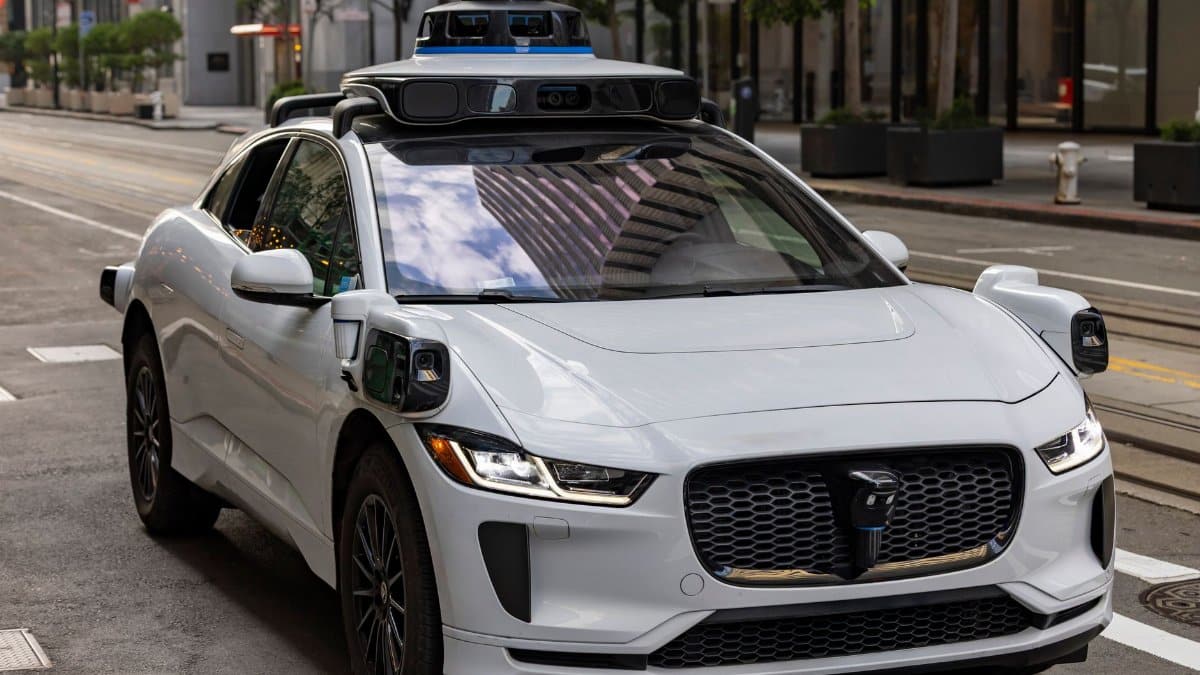
The case arrives amid ongoing national debate over how quickly self driving systems should expand into everyday use. Manufacturers maintain that these tools reduce crashes overall, yet individual incidents continue to test public confidence and regulatory patience. Local officials in the Houston region have begun reviewing permitting processes for new technology trials on public streets.
Legal Precedents and Future Implications

Prosecutors and defense teams will likely reference earlier cases involving partially automated cars when the matter reaches trial. Outcomes in those matters have varied, leaving room for arguments about where responsibility ultimately rests when advanced features interact with human judgment. Observers expect the proceedings to influence how similar charges are evaluated across Texas and beyond.
Lessons for Drivers Considering New Technology
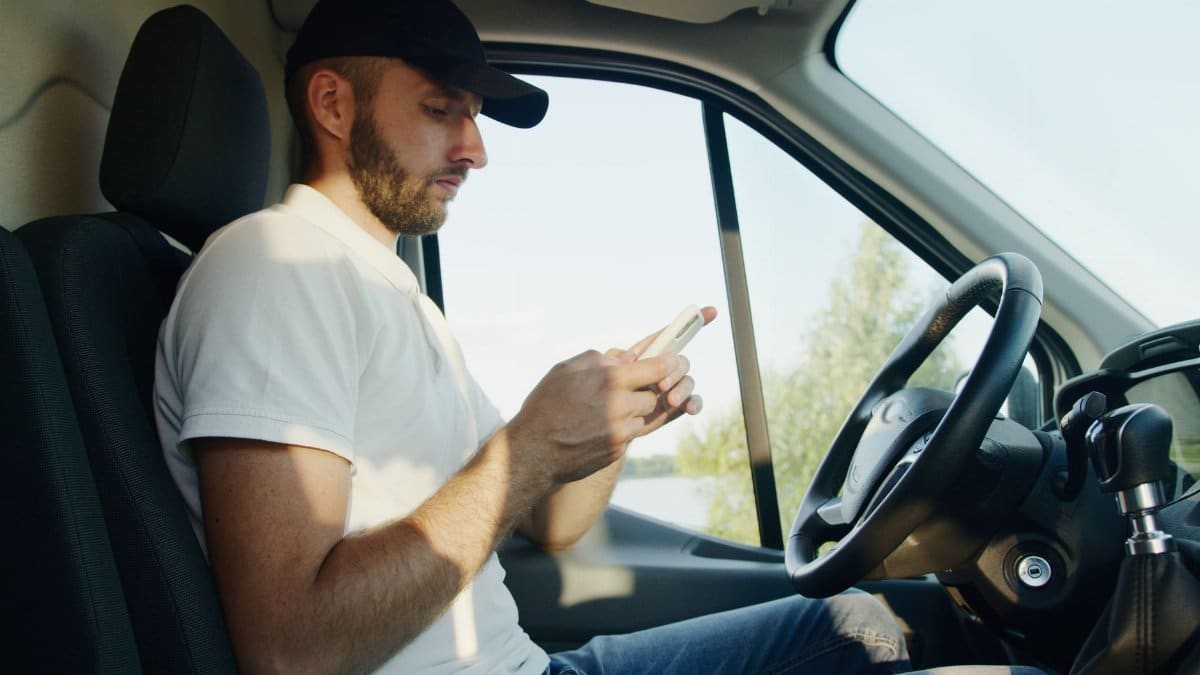
Transportation experts urge anyone exploring autonomous options to maintain constant attention regardless of advertised capabilities. Real world conditions often exceed the limits of current systems, and a moment of divided focus can produce irreversible results. Public education campaigns in several states now stress this point alongside traditional safe driving messages.