

In the charged atmosphere of a national crisis a leader steps forward with words meant to steady a shaken public. Such scenes recur across time and they often involve more than simple errors. This review of US Presidents Falsehoods PolitiFact History shows how selected claims by chief executives have left lasting marks on policy debates and citizen confidence.
Origins of Presidential Fact Checking

PolitiFact emerged as one response to recurring questions about accuracy in high office. Its teams have reviewed statements from multiple administrations and assigned ratings that range from true to false. These efforts place individual remarks in context and track how often leaders return to similar themes.
Washington and Revolutionary Claims

The first president faced pressure to unify former colonies after victory in war. Accounts of certain battles sometimes stretched details to inspire continued support for the new government. Later reviews placed those accounts alongside records from both sides to measure differences.
Lincoln and Emancipation Messaging
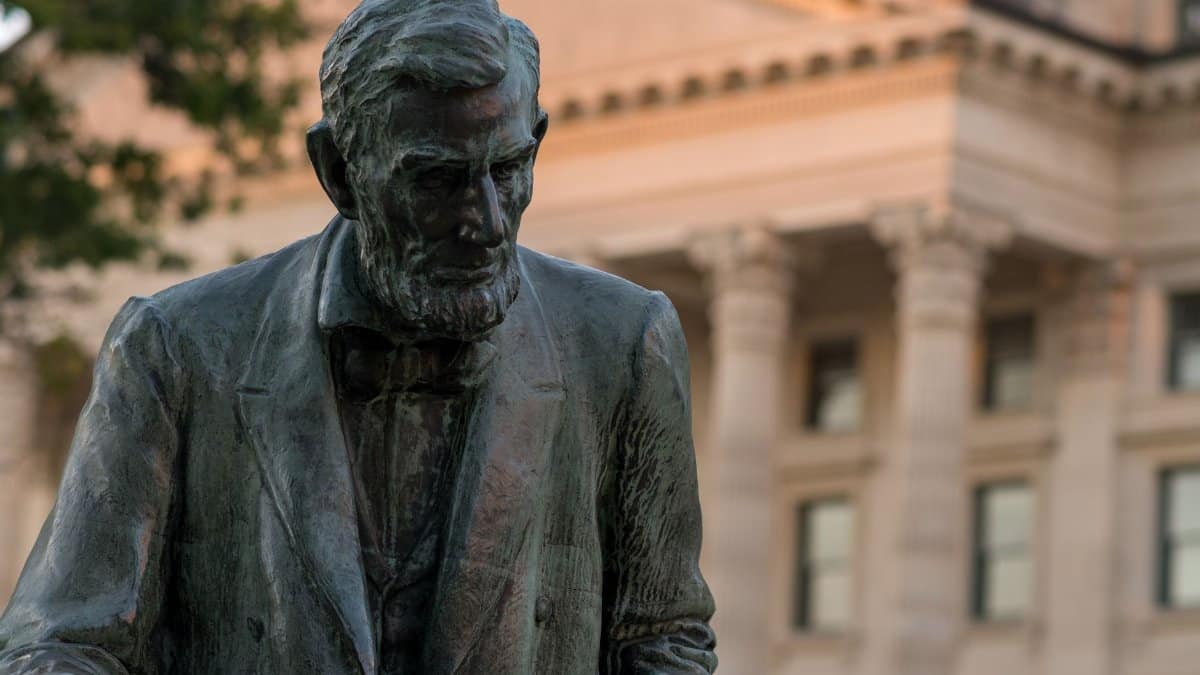
During the civil conflict Abraham Lincoln adjusted public language on slavery to maintain border state loyalty. He presented gradual steps as firm commitments while privately weighing faster action. Historians note that the gap between private letters and speeches reflected political calculation rather than oversight.
Twentieth Century Shifts in Rhetoric

As mass media expanded presidents gained new tools to shape daily narratives. Franklin Roosevelt described economic programs in optimistic terms even when results lagged behind promises. Public reaction often hinged on delivery rather than precise numbers.
Johnson and Southeast Asia Reports

Lyndon Johnson inherited a growing commitment abroad and described progress in measured tones. Internal documents later revealed more cautious assessments from field commanders. The contrast fed debates over transparency that continued long after his term.
Nixon and Domestic Record Keeping

Richard Nixon emphasized law and order while his staff managed records that later came under scrutiny. The episode prompted new laws on access to presidential materials. Those changes altered how future administrations handled internal communications.
Reagan and Economic Projections

Ronald Reagan presented tax policies as pathways to broad prosperity. Forecasts from his team sometimes exceeded independent estimates yet the message sustained political momentum. Analysts still compare actual outcomes with those early figures.
Clinton and Personal Conduct Statements

Bill Clinton addressed questions about private behavior with carefully worded denials. Subsequent legal proceedings clarified the record. The episode illustrated how personal matters can intersect with official credibility.
Bush and Security Assessments

George W Bush framed threats from abroad in urgent language drawn from available intelligence. Later reviews questioned the strength of some supporting evidence. The discussion influenced later standards for public use of classified summaries.
Obama and Health Care Details

Barack Obama described features of new health legislation in ways that supporters and critics parsed differently. Implementation data provided a later measure of accuracy. The case highlighted challenges in explaining complex statutes to wide audiences.
Trump and Election Related Claims

Donald Trump repeated assertions about voting processes that fact checkers rated as inaccurate. Courts and state officials examined many of those points without finding widespread irregularities. The volume of statements created an extended test for rating systems.
Broader Patterns Across Eras

US Presidents Falsehoods PolitiFact History suggests that pressure to lead can encourage selective emphasis. Economic goals foreign policy aims and domestic unity all supply motives for framing events in favorable lights. Ratings from independent groups offer one yardstick though they cannot capture every nuance of intent.
Impact on Public Trust Metrics

Surveys over decades show varying levels of confidence in official statements. Periods of intense scrutiny tend to coincide with visible discrepancies. Sustained attention from outlets such as PolitiFact contributes to an ongoing record that citizens can consult.
Future of Accuracy Standards

Technological changes now allow rapid spread of remarks and equally rapid corrections. Platforms and newsrooms experiment with new formats to display context alongside claims. The core task remains the same weighing evidence against assertions made at the highest levels of government.