
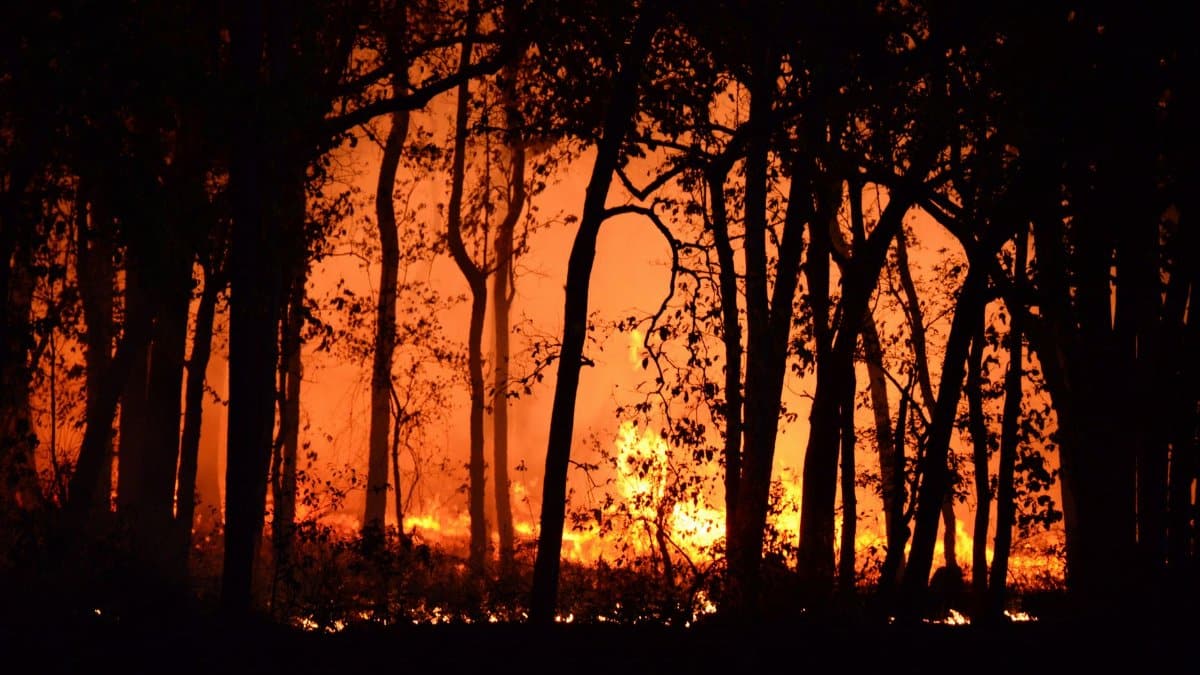
In the red rock landscapes north of Sedona a lightning strike on June 19 2026 set off a blaze that quickly grew into a major concern for local communities. The Pocket Fire Sedona Arizona Wildfire Update shows how this fire has expanded across more than 25000 acres in Coconino and Yavapai Counties with containment estimates sitting between 25 and 38 percent in early July. Dry conditions and steady winds have complicated efforts to bring the flames under control while residents watch the horizon for signs of progress. Officials continue to monitor the situation closely as the fire remains active in remote stretches of forest.
The Lightning Strike That Began the Event
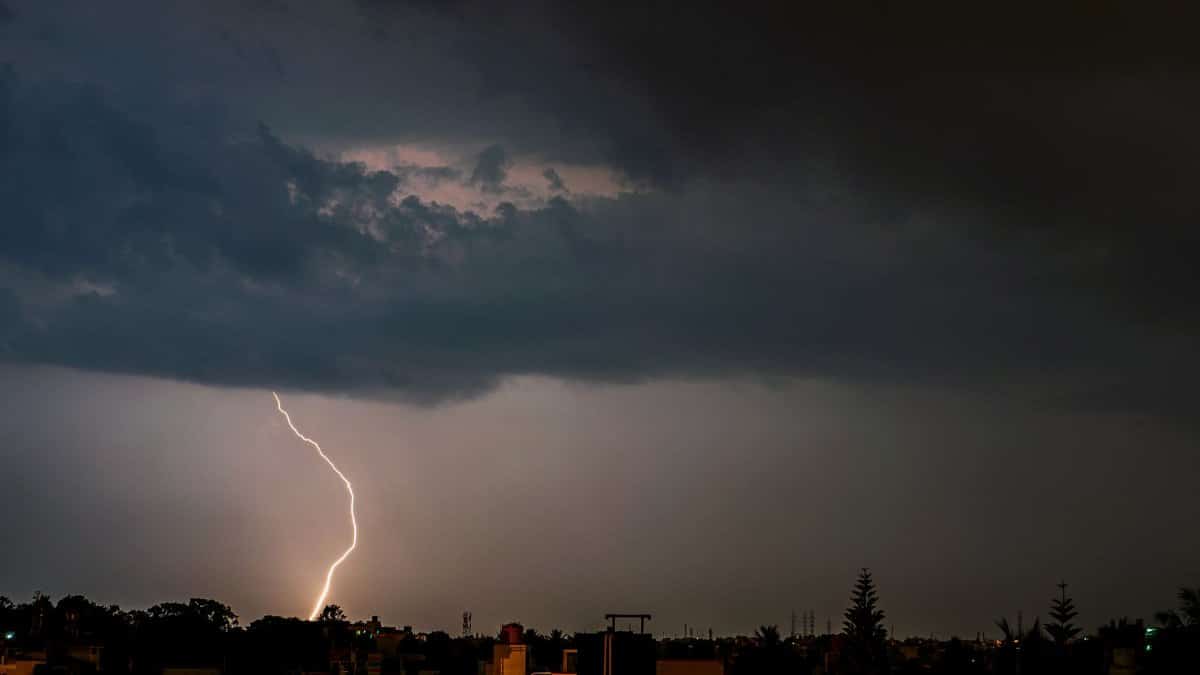
Lightning hit dry timber about seven miles north of Sedona and ignited vegetation that had not seen significant rain in weeks. The initial response focused on protecting nearby trails and limiting spread toward populated zones. Crews arrived within hours yet the remote location slowed access and required careful navigation over rough ground. Early assessments indicated rapid growth potential given the available fuel and weather patterns typical of the region at that time of year.
Scale of Land Burned So Far
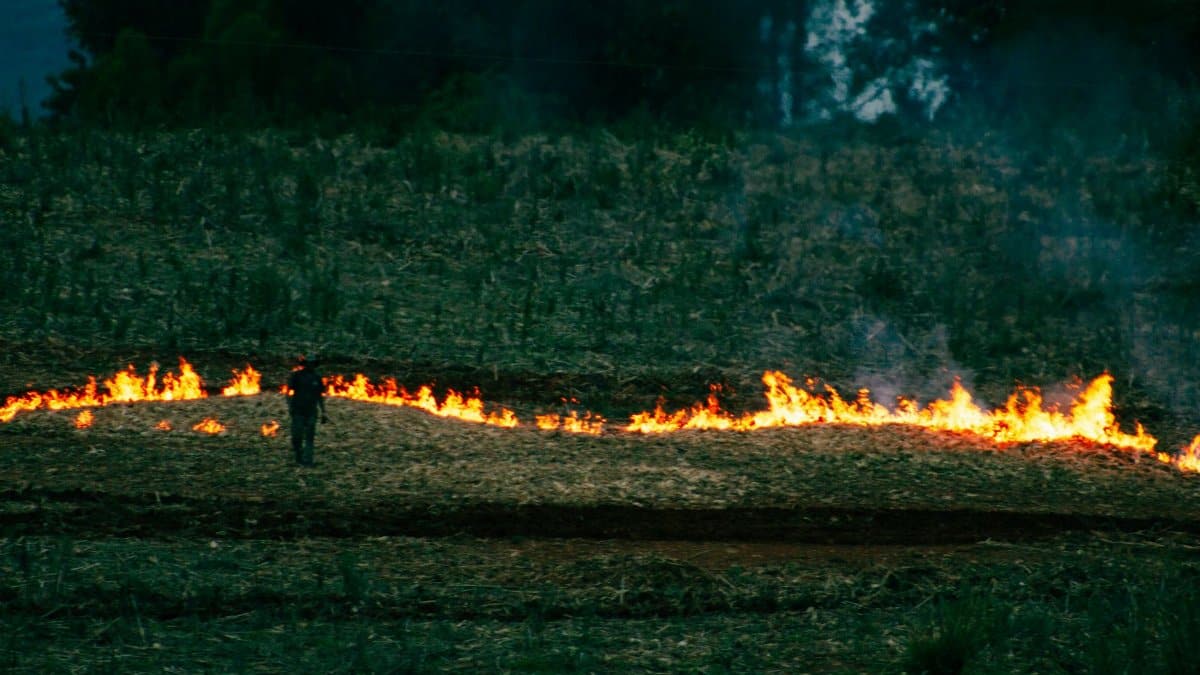
Current mapping places the total area affected above 25000 acres with the perimeter stretching across both county lines. This figure continues to rise as spot fires appear beyond the main front. Satellite images and ground reports together provide daily updates that help planners allocate resources where they are needed most. The size already places the incident among larger events recorded in recent seasons for northern Arizona.
Containment Efforts and Daily Progress

Fire managers report containment between 25 and 38 percent as of the first week in July. Hand crews and engines work along established lines while aircraft drop water and retardant in key areas. The Pocket Fire Sedona Arizona Wildfire Update notes that shifting winds have forced repeated adjustments to tactics. Night operations have added valuable hours of work when temperatures drop and humidity rises slightly.
Impact on Nearby Communities
Sedona residents have felt the effects through occasional smoke and temporary road restrictions. Tourism businesses report fewer visitors during peak summer weeks as air quality advisories appear on local forecasts. Schools and parks remain open yet families keep evacuation bags ready in case conditions change quickly. Community meetings provide a forum for questions and direct information from incident commanders.
Evacuation Planning and Public Safety
Precautionary notices went out to homes closest to the fire perimeter though no large scale mandatory orders have been issued. Shelters stand prepared with supplies and staff if needed. Law enforcement assists with traffic control on routes that could see increased use during any potential moves. Clear communication through local radio and online channels helps reduce confusion during fast moving developments.
Effects on Local Wildlife and Forests

Habitat loss affects deer, birds and smaller mammals that rely on the affected woodlands. Post fire recovery will depend on rainfall patterns in coming months to encourage regrowth of native grasses and shrubs. Biologists monitor sensitive species near the burn area and collect data that may guide future land management decisions. The long term ecological picture will become clearer once the active phase ends.
Air Quality and Health Considerations

Smoke plumes have drifted toward Sedona on certain days prompting alerts for sensitive groups. Health officials recommend limiting outdoor activity when readings rise and keeping windows closed at home. Masks designed for fine particles offer added protection during peak smoke hours. Monitoring stations provide real time readings that residents can check before planning daily routines.
Role of Weather in Fire Behavior
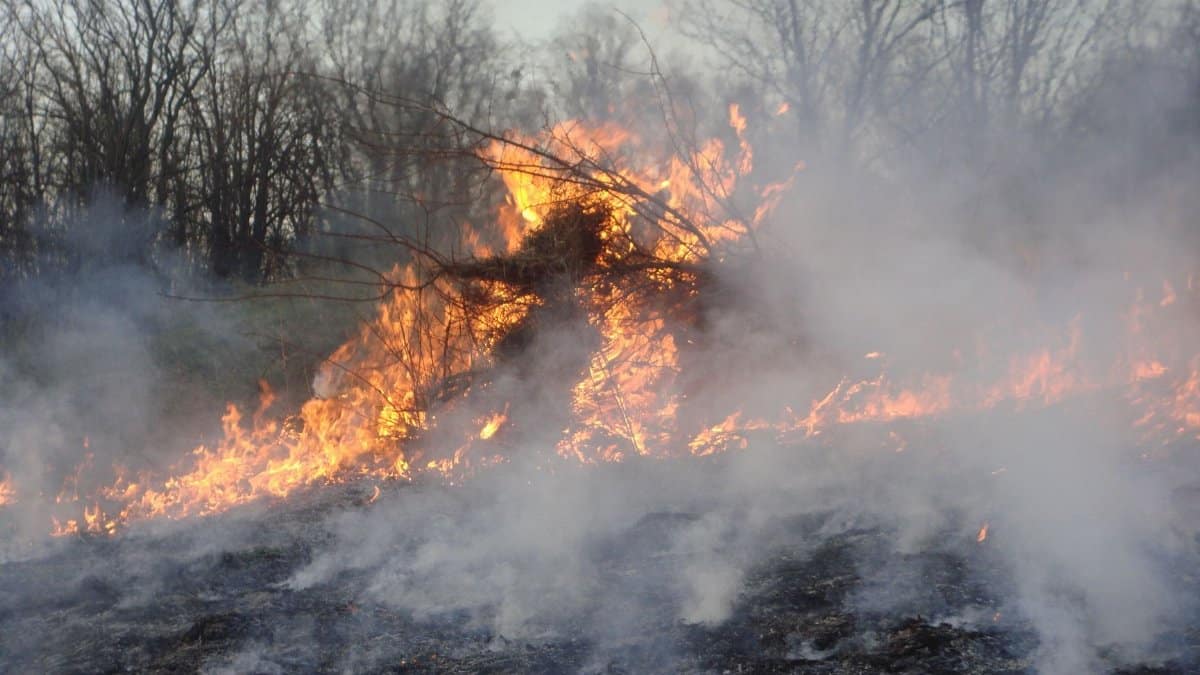
Hot afternoons combined with low humidity have supported active burning periods while occasional thunderstorms bring both lightning risks and brief moisture. Forecasters track wind direction shifts that could push flames toward or away from containment lines. These variables make daily planning essential and require flexibility from all teams on the ground.
Looking Ahead to Full Containment
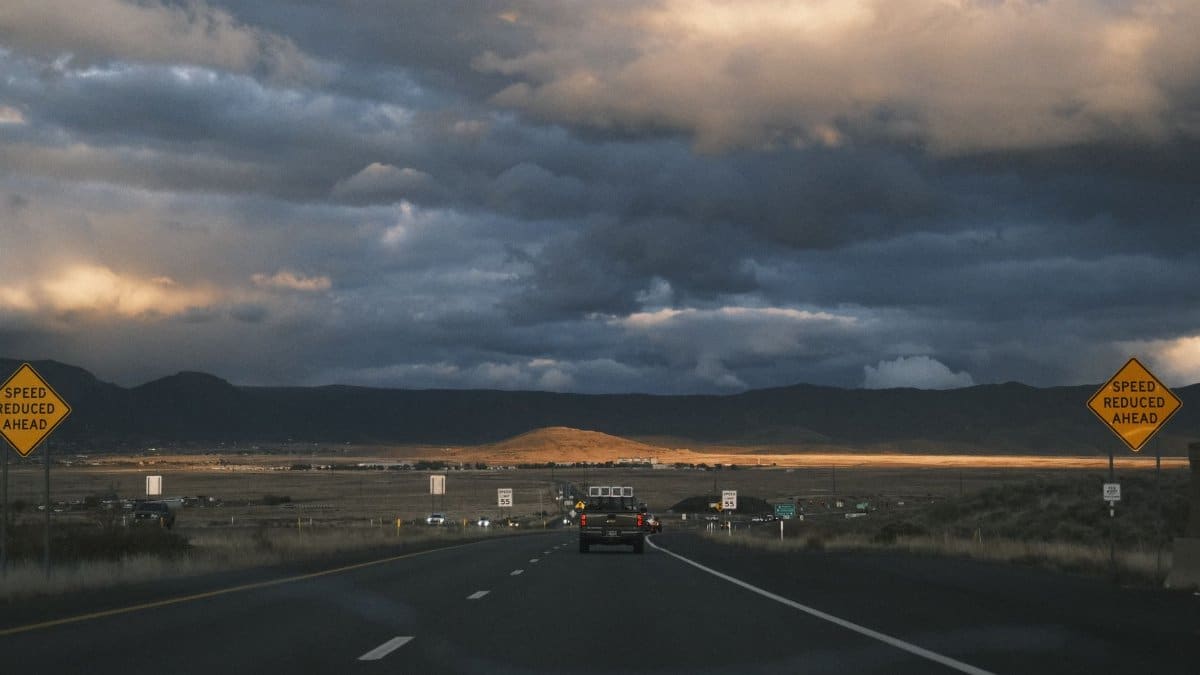
Officials expect full containment to take additional weeks given the current size and terrain challenges. Continued support from state and federal partners remains critical to sustaining operations. The Pocket Fire Sedona Arizona Wildfire Update will continue to serve as a central source for verified details as the situation evolves. Public cooperation with fire restrictions helps reduce the chance of new ignitions nearby.