
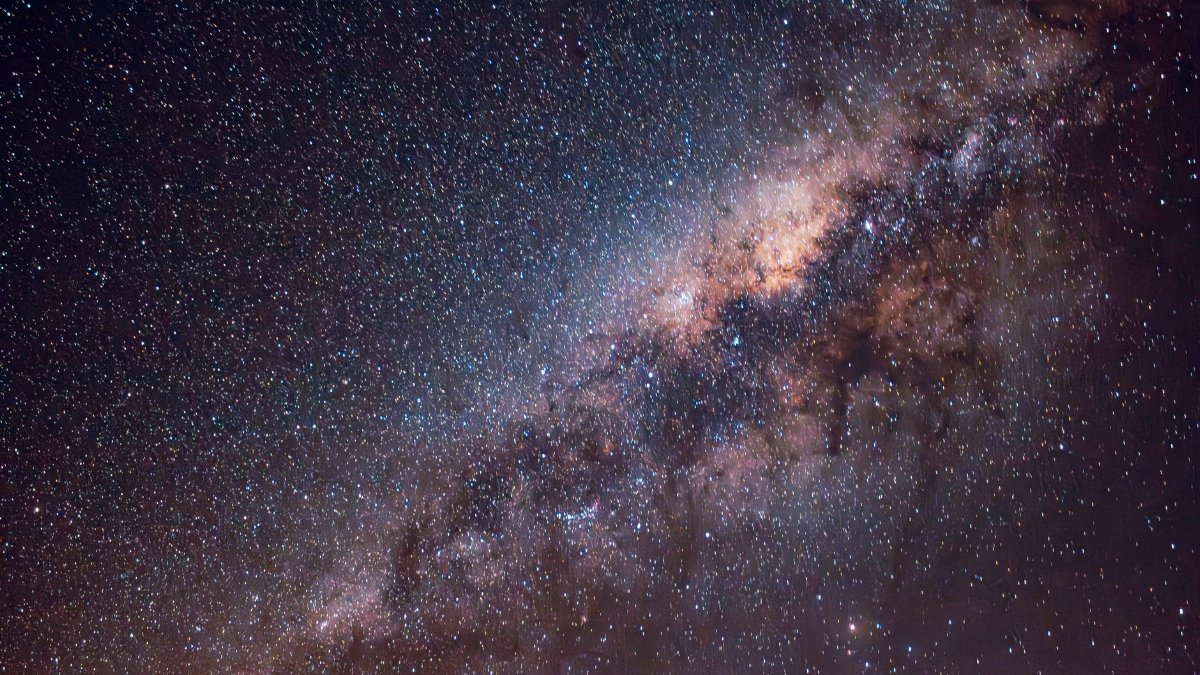
As the nation prepares for its annual celebration of independence many Americans look forward to time spent outdoors under the stars. Michigan offers some of the best chances for Michigan Milky Way Stargazing this year with predictions of clear skies over the holiday weekend. Observers can expect to see the dense band of stars that forms our galaxy stretching across the night sky from locations far from city lights.
Ideal Conditions For Observation
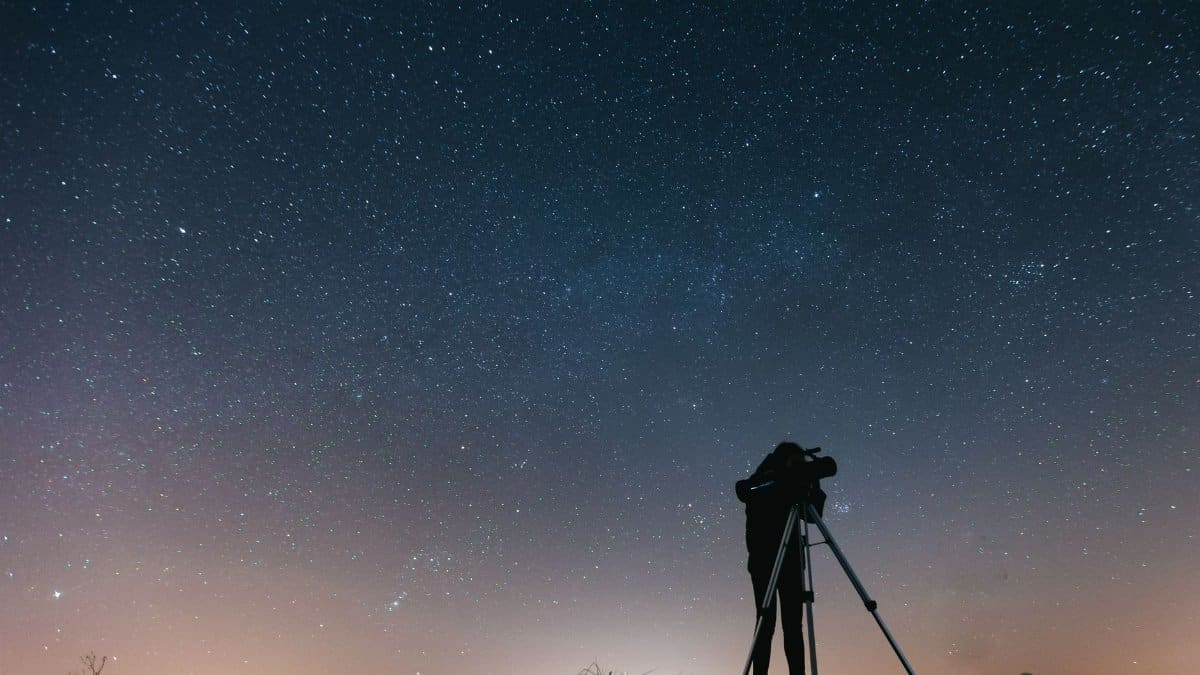
Clear weather patterns across much of the state during early July create favorable settings for night sky viewing. Low humidity and reduced air pollution in rural zones enhance visibility of faint celestial features. Local meteorologists note that temperatures remain mild enough for comfortable extended sessions outdoors without heavy gear.
Prime Locations Across The State

Northern Michigan regions such as the Upper Peninsula provide minimal light pollution thanks to vast forested expanses. State parks near the shores of Lake Superior attract enthusiasts seeking unobstructed horizons. Southern areas also hold promise in spots like state recreation lands away from urban centers.
Equipment Suggestions For Beginners

A simple blanket and reclining chair suffice for initial attempts at galaxy viewing. Binoculars can reveal additional details within the star field while telescopes allow closer inspection of nearby clusters. Apps that map constellations help newcomers identify key reference points without prior expertise.
Historical Context Of Sky Watching In Michigan
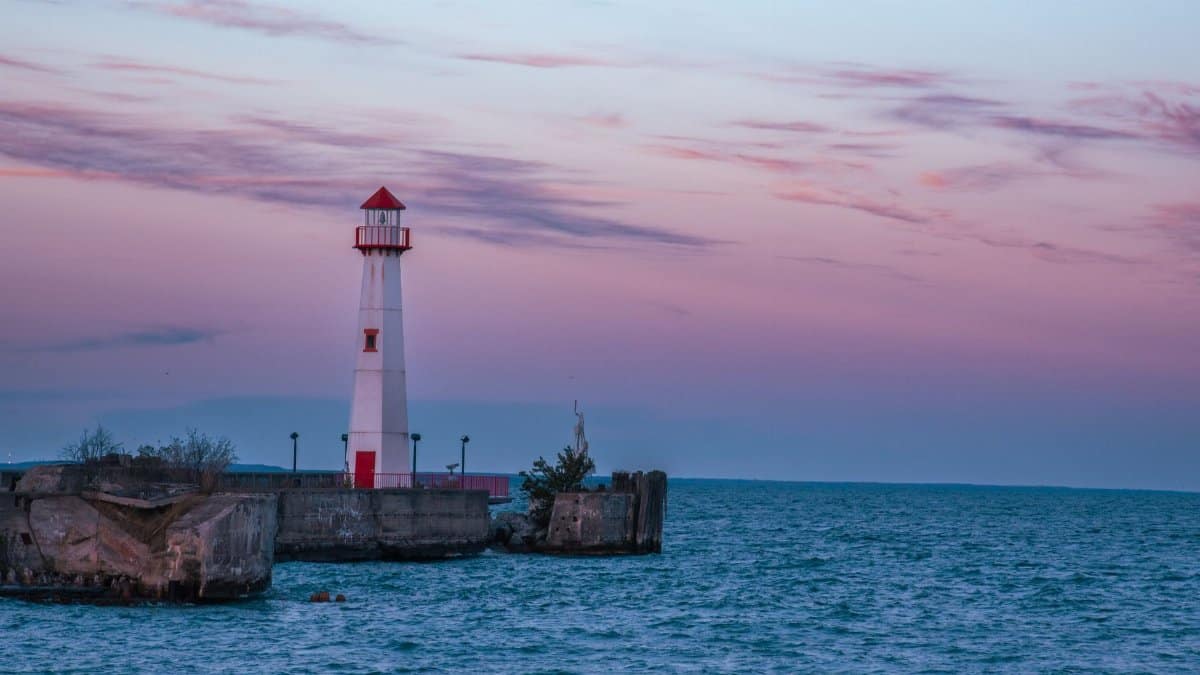
Native communities long interpreted the night sky as part of seasonal storytelling traditions. Early settlers documented similar observations in journals from the nineteenth century. Modern interest builds on this legacy with organized events that draw crowds to designated dark sky preserves.
Impact Of Light Pollution Reduction Efforts
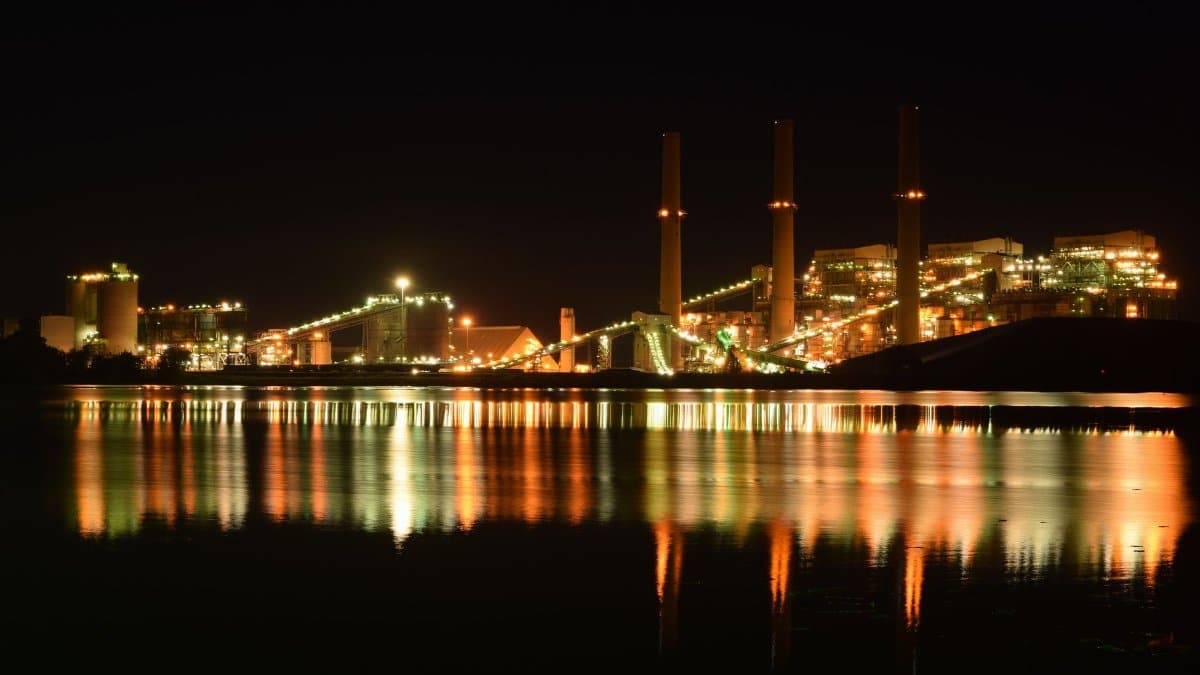
Communities have adopted shielding for street lamps to preserve natural darkness in key viewing zones. These measures benefit both wildlife and human observers by limiting stray illumination. Ongoing campaigns encourage residents to dim outdoor fixtures during peak stargazing periods.
Weather Forecasts And Timing Tips
Reliable sources indicate stable atmospheric conditions through the holiday period. The absence of significant storms supports plans for overnight activities. Viewers should arrive at sites by late evening to allow eyes time to adjust fully to the dark.
Community Events And Group Activities

Astronomy clubs host gatherings that welcome participants of all experience levels. These sessions often include guided talks on celestial navigation and safe observing practices. Shared experiences foster connections among people drawn together by a common interest in the cosmos.