

In the quiet expanse of the San Bernardino Mountains a sudden burst of light and sound shattered the evening calm one July evening prompting a pair of bald eagles to take flight from their familiar perch. Observers tracking the pair known collectively as Jackie Shadow Big Bear Eagles noted the swift departure from the nest site as colorful displays lit up the sky above Big Bear Lake. The birds circled high overhead for several minutes before the noise subsided leaving their young ones momentarily unattended in the growing darkness. Local residents who follow the live camera feeds expressed immediate concern yet the eagles demonstrated remarkable resilience by returning within hours. This brief episode highlights the delicate balance between human celebrations and the natural rhythms of wildlife in popular recreation areas. Such events offer a window into how even protected species navigate an increasingly busy world where seasonal festivities intersect with critical nesting periods.
Understanding the Nest Location and Its Significance
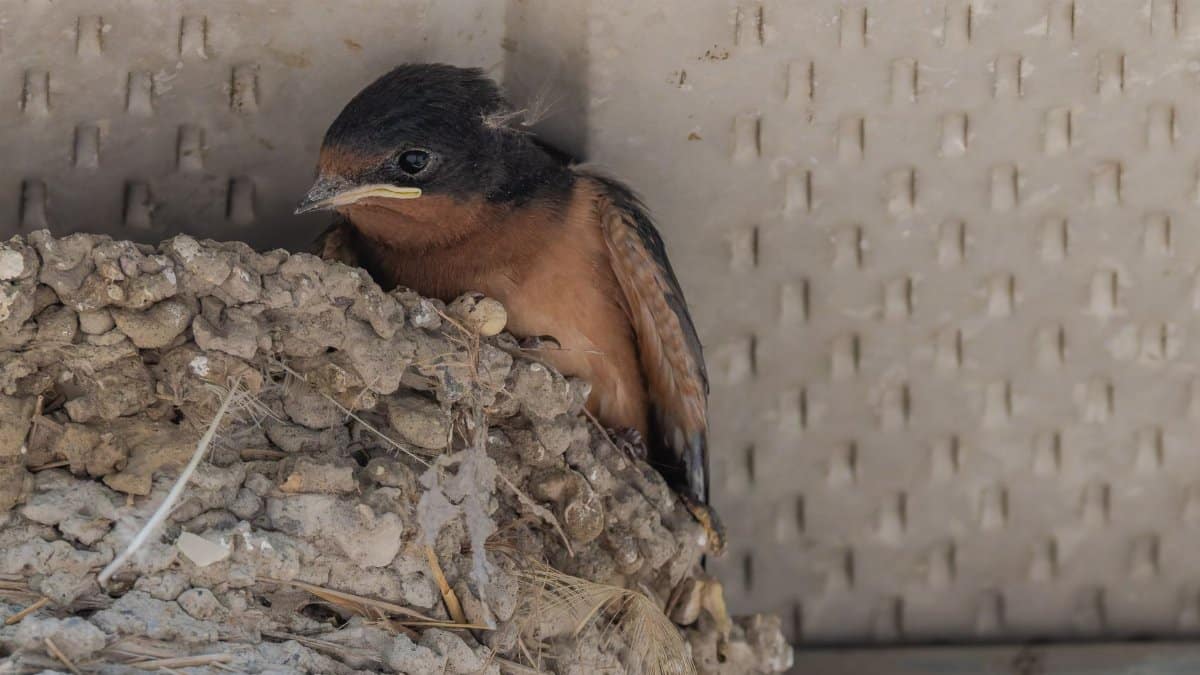
The site sits near the shores of Big Bear Lake where tall pines provide sturdy support for the large structure built over several seasons. Eagles select these spots for their proximity to water and abundant fish supplies that sustain growing chicks. The area attracts visitors year round yet strict guidelines help limit disturbances during breeding months. Footage from mounted cameras reveals daily patterns of feeding and vigilance that define life at this elevation.
How Fireworks Affect Local Bird Populations

Sudden loud reports can trigger flight responses in many avian species including raptors that rely on stealth and calm for hunting. In populated mountain communities displays often coincide with peak summer tourism creating brief spikes in noise levels. Studies from wildlife agencies show that repeated exposure may lead some pairs to shift activity times though most resume normal behavior once quiet returns. Monitoring efforts continue to assess any longer term shifts in nesting success rates.
Immediate Reactions Observed on Camera Feeds

Viewers watching the live stream saw the adults lift off rapidly as the first shells exploded overhead. The departure left the eaglets alone though they remained safe within the nest bowl. Minutes later the pair reappeared in the frame gliding back on steady wings once the sky cleared. This sequence unfolded in under an hour according to timestamped recordings shared by dedicated followers.
The Return and Reunion with Young Ones

By the following morning both adults had settled back into routine duties of bringing food and shading the chicks from sun. The eaglets showed no visible signs of distress and resumed begging calls as parents arrived with fresh catches. Such quick recoveries underscore the adaptability these birds have developed in areas where occasional human activity occurs.
Public Interest and Online Community Response

Thousands tune in daily to the nest stream forming a virtual network that shares observations and celebrates milestones like first flights. When the brief flight occurred messages flooded forums with questions and relief once the return was confirmed. This engagement fosters greater appreciation for conservation work while educating newcomers about eagle biology and habitat needs.
Historical Background of the Resident Pair

The duo has occupied the same tree for multiple years raising several broods despite challenges from weather and occasional intrusions. Their story draws from earlier seasons when cameras first captured courtship displays and egg laying. Each successful cycle adds data points for researchers studying population trends across southern California forests.
Broader Lessons on Coexisting with Nature

Events like this remind communities to consider timing and volume of celebrations near sensitive habitats. Alternatives such as silent light shows or lower elevation venues can reduce impacts without diminishing enjoyment. Partnerships between local agencies and citizen scientists help refine best practices that support both people and wildlife.
Ongoing Monitoring Efforts and Future Outlook

Continued camera surveillance and ground checks will track whether this season proceeds without further interruption. Experts anticipate the eaglets will fledge within weeks provided conditions remain stable. Long term records from this location contribute to statewide assessments of bald eagle recovery since the species rebounded from earlier declines.
Visitor Guidelines for Responsible Observation

Those traveling to the lake are encouraged to maintain distance from nesting trees and avoid flash photography at night. Educational signs posted along trails outline simple steps that protect the birds while allowing respectful viewing. Following these measures ensures the site remains viable for future generations of both eagles and admirers.