

When Margaret Thompson an 82 year old resident of Boulder needed specialized medical attention for her chronic conditions she encountered delays that stretched for months. Her search highlighted the pressing issue of Colorado Geriatrics Shortage Elder Care that affects many families across the state. As the population ages the demand for physicians trained in elder care continues to outpace supply creating strains on the healthcare system that policymakers and medical institutions are struggling to address.
The Demographic Shift Driving Demand

Colorado has seen its share of residents over age 65 grow faster than nearly every other state in recent years. Census figures show the group expanding by more than 40 percent since 2010. This growth places fresh pressure on a medical workforce already stretched thin. Many communities now report waiting times of three months or longer for a first appointment with a geriatric specialist. Families often travel long distances or rely on general practitioners who lack focused training in age related conditions.
Barriers to Attracting Specialists

Medical graduates cite modest compensation and demanding workloads as reasons they bypass geriatric fellowships. A typical primary care physician earns more than a doctor who completes extra years of elder care training. Loan repayment programs exist yet cover only a fraction of the debt new doctors carry. Professional societies note that exposure to the field during residency remains limited so few students consider it a viable career path.
Training Programs and Their Limitations

The University of Colorado maintains one of the few accredited geriatric fellowships in the region yet graduates just four or five specialists each year. Expansion efforts face funding shortfalls and competition for faculty from larger research institutions. Partnerships with community hospitals have produced some additional slots but these remain modest in scale. Without sustained investment the pipeline of new practitioners will continue to lag behind population needs.
Effects on Rural Communities
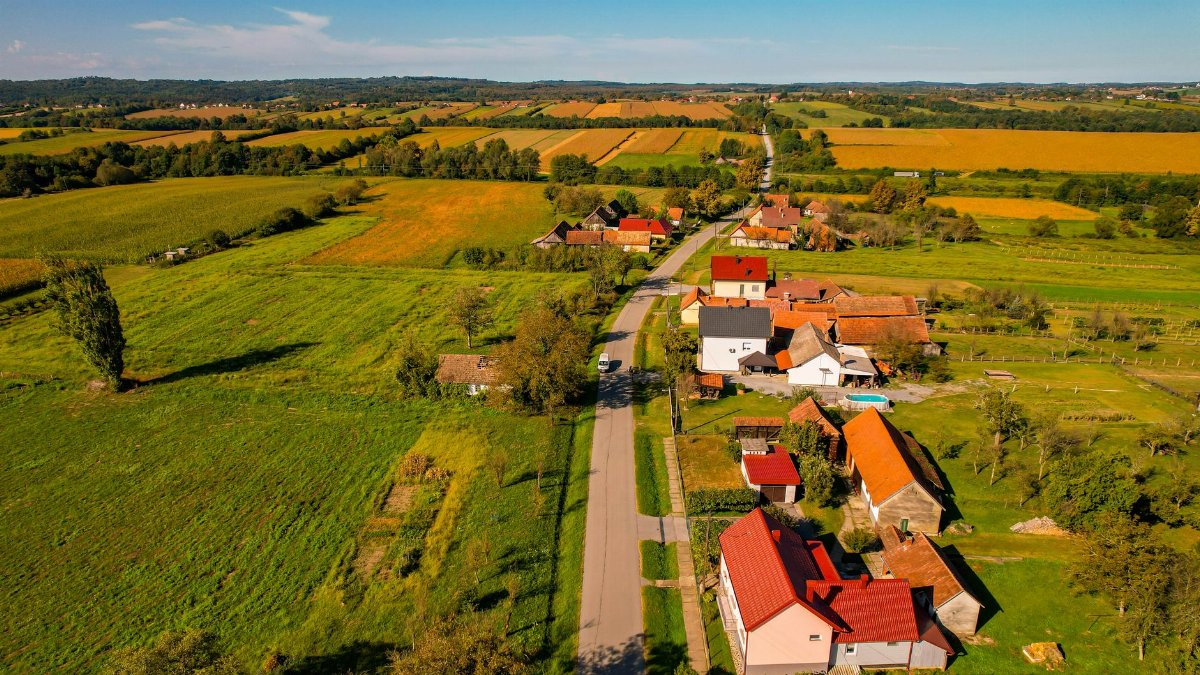
Outside the Front Range corridor access to any form of elder focused medicine is especially scarce. Clinics in mountain towns and eastern plains counties often operate without a single physician certified in the care of older adults. Patients there depend on traveling nurses or emergency rooms for routine management of conditions such as dementia and heart failure. The result is higher rates of preventable hospitalizations and greater burdens on family caregivers.
Innovative Approaches in Urban Centers

Denver area health systems have begun testing team based models that pair geriatricians with nurse practitioners and social workers. These arrangements allow one specialist to oversee larger panels of patients while routine tasks shift to other professionals. Early data indicate modest reductions in emergency visits though the approach requires careful coordination and ongoing training. Similar pilots in Colorado Springs show promise yet face reimbursement hurdles that limit wider adoption.
Policy Recommendations from Experts

State legislators have considered measures to expand loan forgiveness and create tax incentives for doctors who practice in underserved areas. Medical boards advocate for streamlined licensure for out of state geriatricians willing to relocate. Advocates also push for greater Medicare reimbursement rates that would make the specialty more financially attractive. Each proposal faces competing budget priorities and resistance from groups focused on different segments of the healthcare workforce.
Stories from Families Navigating the System

Relatives of older Coloradans describe repeated phone calls to secure referrals and frequent changes in medication management when specialists leave the area. One family in Fort Collins recounted driving 90 minutes each way for appointments that lasted under 15 minutes. Another in Grand Junction reported turning to telehealth only to discover that their parent required hands on evaluation for mobility issues. These accounts illustrate the daily friction created by limited local capacity.
Looking Ahead to Potential Solutions

Colorado Geriatrics Shortage Elder Care will shape healthcare planning for the next decade. Projections from state health agencies suggest the gap between supply and demand could widen by another 30 percent by 2035 unless recruitment improves. Partnerships between universities employers and government agencies offer one avenue for progress. Success will depend on aligning financial incentives with the complex needs of an aging population.