
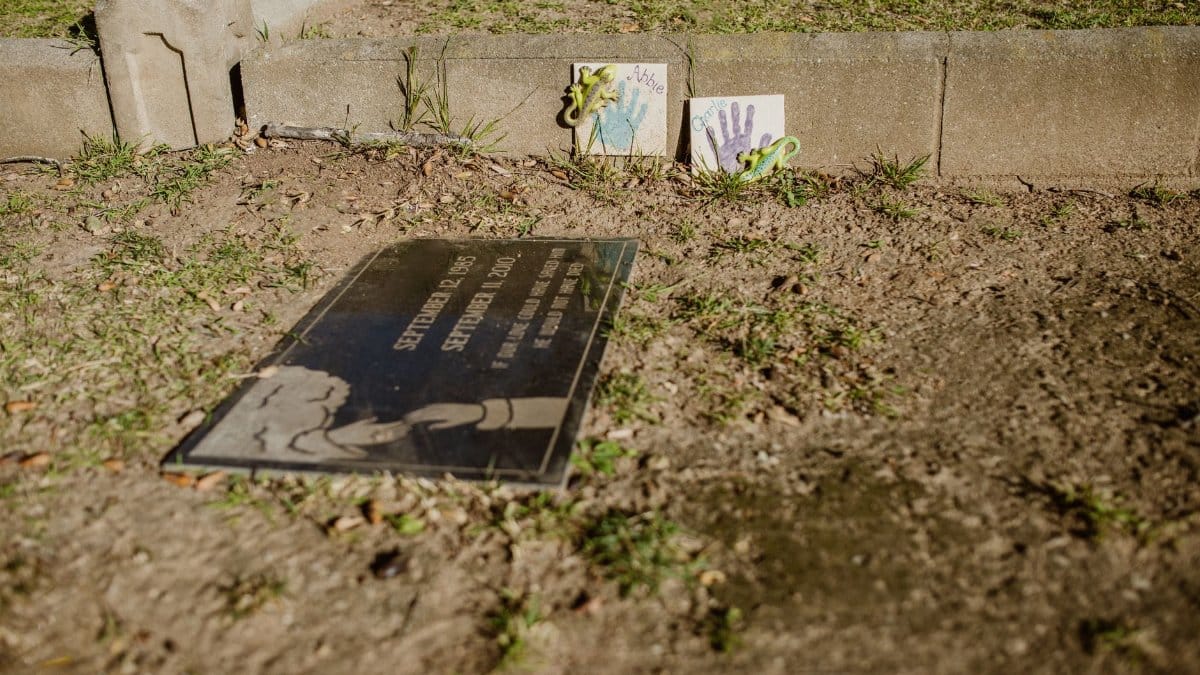
In a quiet corner of a Chicago area cemetery, sunlight filters through mature oaks as families gather to witness something long overdue. The archdiocese has opened a memorial space dedicated to those who have lost loved ones to suicide, marking the first such Catholic site in the country. This development brings Suicide Loss Memorial Compassion into focus as a tangible expression of support for survivors navigating profound grief within their faith communities.
Origins of the Memorial Project
The idea took shape several years ago after conversations between clergy and families who felt traditional funeral rites left little room for the unique pain of suicide loss. Leaders reviewed existing resources and concluded that a permanent outdoor space could offer ongoing solace without replacing private counseling or support groups. Planning involved input from mental health professionals and theologians who examined how Catholic teaching on hope and redemption could extend to this form of bereavement.
Physical Features and Their Meaning

Visitors encounter a circular stone bench surrounding a central sculpture of intertwined hands. Engraved quotations from scripture and contemporary writers line the pathway leading to the site. Landscape designers chose native plants that require minimal upkeep, symbolizing enduring life amid sorrow. Lighting is soft and indirect so evening visits remain welcoming without drawing attention from surrounding graves.
Stories Shared at the Unveiling

One mother described how her son’s name now feels anchored to a place she can visit without judgment. Another family spoke of lighting a candle each month at the memorial, turning private ritual into a shared act of remembrance. These accounts illustrate how physical markers help convert raw loss into something that can be visited and acknowledged over time.
Addressing Stigma Within Faith Settings
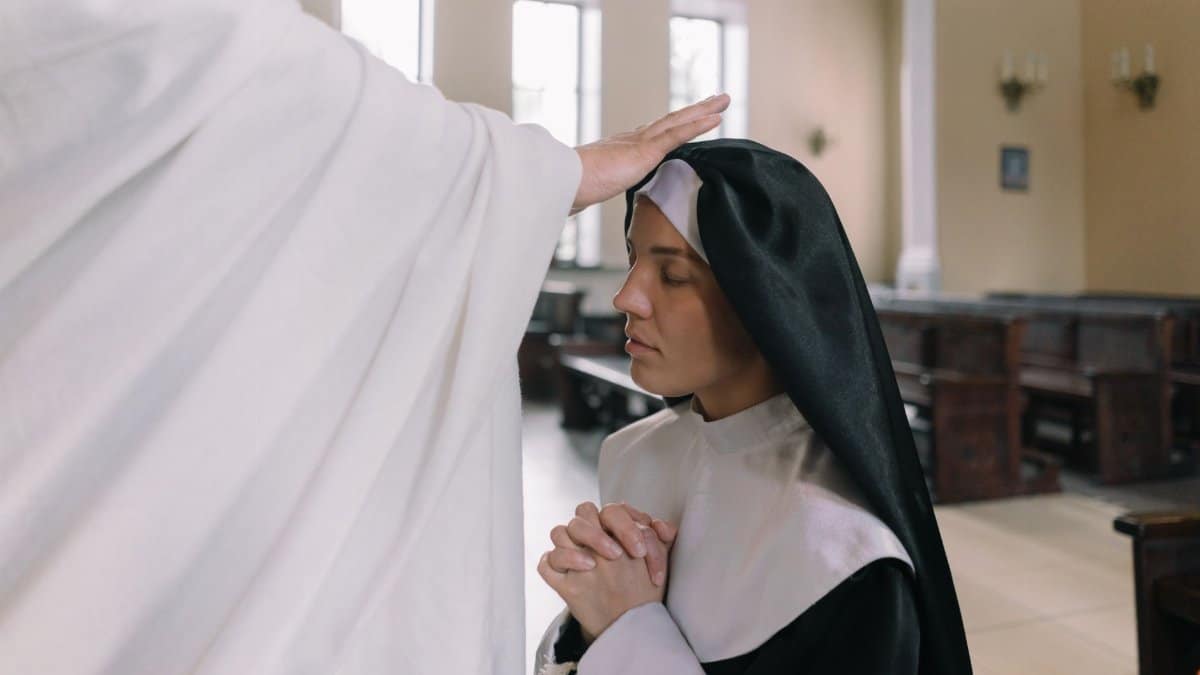
Church officials note that suicide has often carried unspoken shame in religious environments. The new memorial signals an explicit shift toward openness. By hosting public dedication ceremonies and inviting diocesan newspapers to cover the event, leaders aim to normalize conversations that once stayed behind closed doors. Early feedback suggests parishioners appreciate the direct acknowledgment.
Partnerships With Mental Health Organizations

The archdiocese consulted psychologists specializing in complicated grief before finalizing the layout. Referrals to licensed therapists appear on informational plaques near the entrance. This collaboration ensures the site functions as a starting point rather than a substitute for professional care. Training sessions for cemetery staff cover how to respond compassionately when visitors show signs of acute distress.
Impact on Surviving Family Members
Surveys conducted six months after opening indicate reduced feelings of isolation among regular visitors. Participants report that the simple act of walking the grounds provides a neutral setting to reflect without pressure to articulate emotions. Several families have begun annual gatherings at the memorial, creating new traditions that honor their loved ones while strengthening bonds among those left behind.
Broader Lessons for Other Dioceses
Officials from neighboring regions have inquired about replicating elements of the design. While each community must adapt to local regulations and cultural nuances, the Chicago model offers a template that balances liturgical sensitivity with practical accessibility. National Catholic conferences have added sessions on suicide bereavement to upcoming agendas, reflecting growing interest in structured responses.
Role of Compassion in Long Term Healing
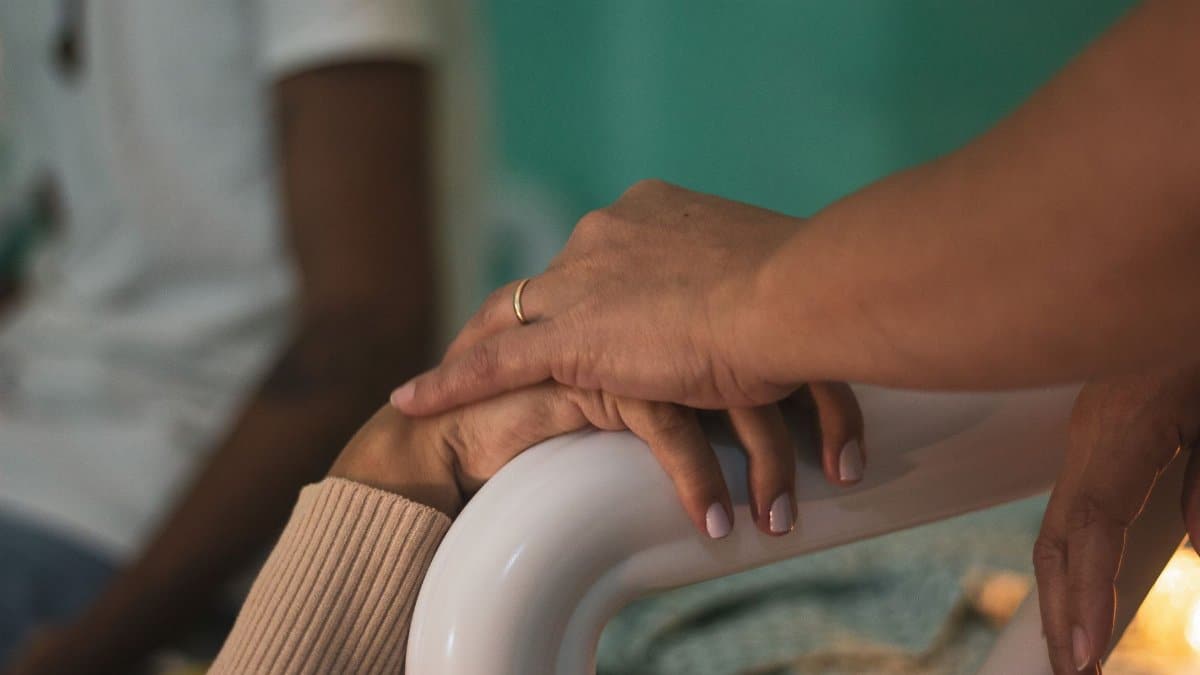
Suicide Loss Memorial Compassion emerges not as a single event but as an ongoing posture of presence. Volunteers maintain flower arrangements and answer questions from visitors. This sustained attention mirrors the slow work of grief itself, offering continuity when initial public sympathy fades. Clergy emphasize that compassion here means listening without offering quick theological fixes.
Looking Ahead to Continued Support

Future phases may include indoor reflection rooms for inclement weather and expanded programming such as seasonal remembrance services. Funding relies on private donations rather than general parish assessments, preserving the memorial’s identity as a gift to the community. Organizers continue to collect oral histories from survivors to inform educational materials distributed at the site.