
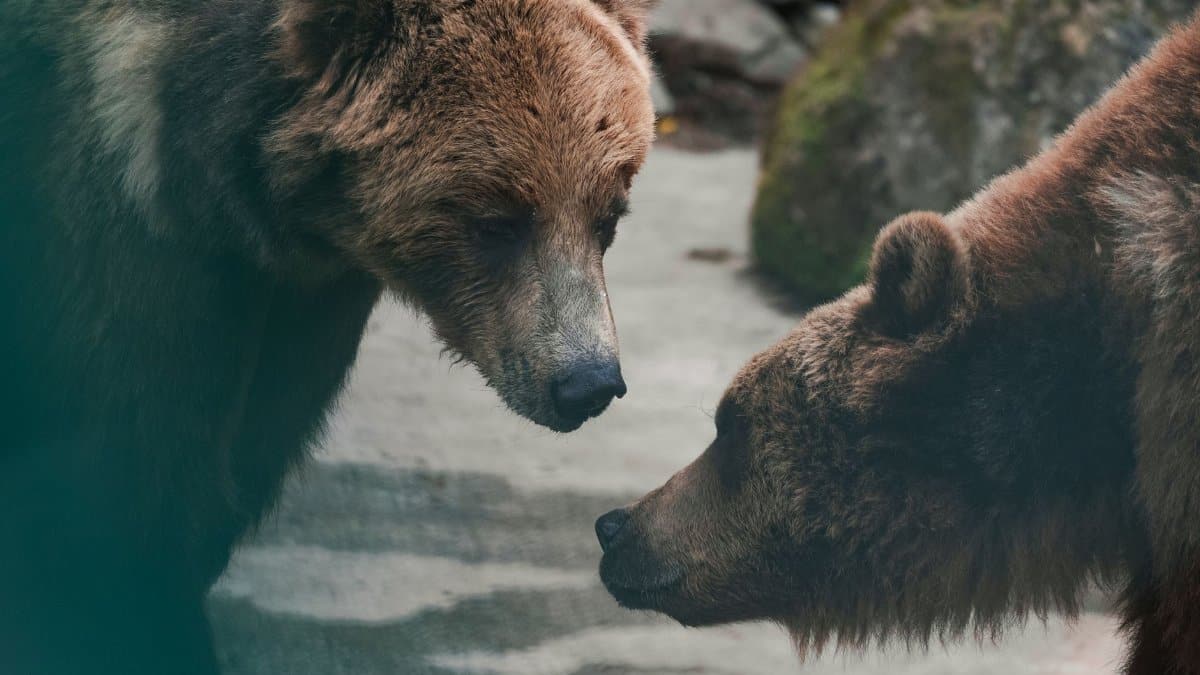
In recent years public attention has turned toward the ethics of using wild animals for entertainment. Circuses and traveling shows often rely on exotic creatures to draw crowds yet the hidden costs to those animals remain largely unseen by spectators. A new measure known as Illinois Traveling Animal Ban Big Cats Primates now extends earlier restrictions to cover big cats bears and primates in such performances. The change reflects growing recognition that these intelligent species suffer when forced into constant movement and unnatural routines. Lawmakers acted after years of reports detailing cramped transport cages limited veterinary care and performances that demand behaviors far removed from natural patterns. Observers note the legislation aligns Illinois with other states that have already moved to shield wildlife from exploitative acts.
Historical Context Behind the Legislation

Illinois first limited certain traveling animal displays more than a decade ago focusing on elephants and other large herbivores. Lawmakers built on that foundation after advocates presented evidence of ongoing harm to additional species. The expanded rule addresses gaps that allowed shows featuring lions tigers and chimpanzees to continue operating with few checks. Records from enforcement agencies showed repeated violations of basic care standards during long road trips between venues. This progression illustrates how incremental policy steps can eventually produce broader protections without sudden disruption to the entertainment industry.
Species Now Covered by the Measure

The updated statute specifically names big cats such as lions and tigers along with bears and multiple primate species. Each group faces distinct challenges when confined to trailers for weeks at a time. Primates require complex social structures that traveling schedules rarely accommodate. Bears accustomed to seasonal foraging find themselves in constant motion instead. The language targets acts that rely on these animals for performances rather than educational exhibits housed in permanent accredited facilities.
Effects on Circuses and Traveling Shows

Operators of mobile performances now face choices about reconfiguring their lineups. Some have shifted toward domestic animals or human centered acts while others have ended tours in Illinois altogether. Industry representatives argue the change raises costs and limits creative options yet supporters counter that modern audiences increasingly seek experiences free of wild animal displays. Several shows have reported steady ticket sales after removing the restricted species suggesting adaptation remains possible.
Animal Welfare Improvements Expected
Advocates anticipate fewer injuries and reduced stress for the affected animals once the ban takes full effect. Permanent sanctuaries and accredited zoos already follow stricter housing guidelines that traveling acts struggle to match. The law encourages relocation of displaced animals to settings where natural behaviors can resume. Early data from similar restrictions in neighboring states indicate measurable drops in reported neglect cases after implementation.
Public Sentiment and Changing Expectations

Surveys conducted across the Midwest reveal rising discomfort among middle aged adults with the use of wild animals for spectacle. Families increasingly choose venues that emphasize conservation messaging over tricks and routines. This shift in preference has pressured lawmakers to respond even in regions where agriculture remains central to the economy. Community discussions often center on teaching children respect for wildlife rather than dominance over it.
Enforcement and Compliance Challenges

State inspectors will monitor remaining permitted shows to ensure no prohibited species appear. Penalties include fines and potential seizure of animals found in violation. Smaller operators may require guidance to understand the distinctions between banned performances and allowed exhibition formats. Coordination with local authorities will determine how quickly the rules achieve consistent application across counties.
Broader Implications for Compassionate Policy

The Illinois measure joins a national conversation about the moral limits of entertainment that exploits sentient beings. Similar proposals have surfaced in other legislatures though progress varies by political climate. Observers suggest the Illinois example could serve as a reference point for states weighing comparable steps. The emphasis remains on balancing economic interests with ethical responsibilities toward species known for advanced cognition and emotional capacity.
Future Outlook for Wildlife in Entertainment
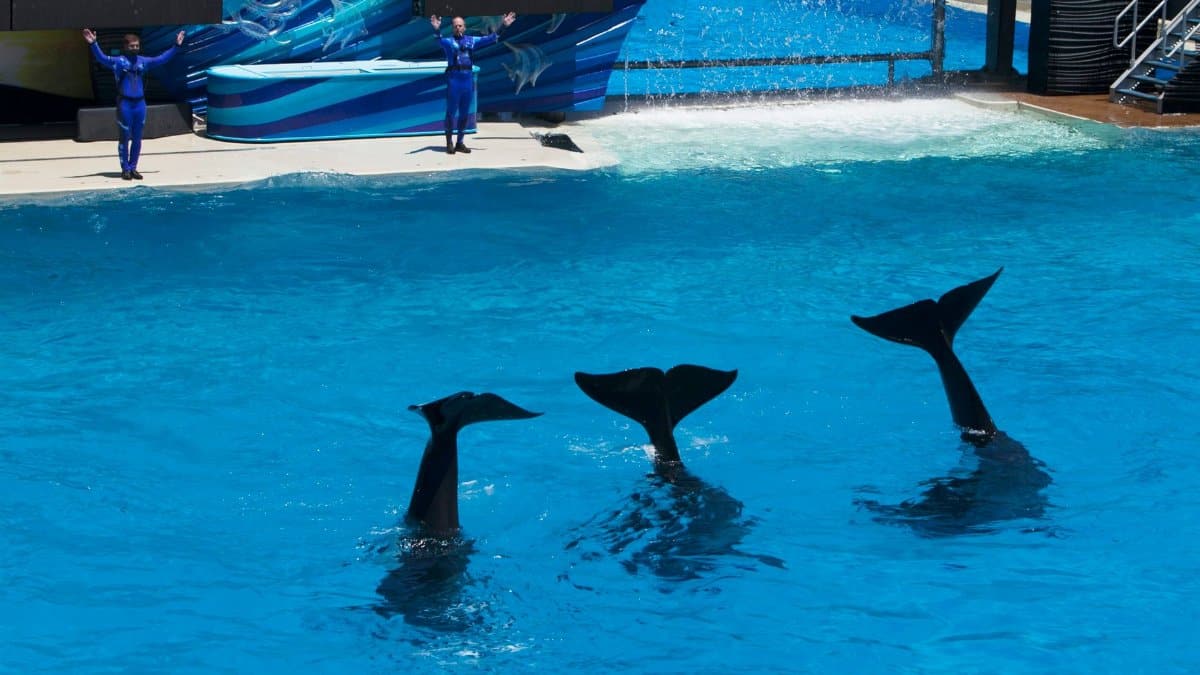
Long term the statute may accelerate a move away from any wild animal involvement in traveling productions. Technological alternatives such as high quality projections and robotics already appear in some large productions. Continued dialogue between animal scientists policymakers and performance professionals will shape how these trends unfold. Illinois has positioned itself at the forefront of this gradual transition through measured legislative action.