
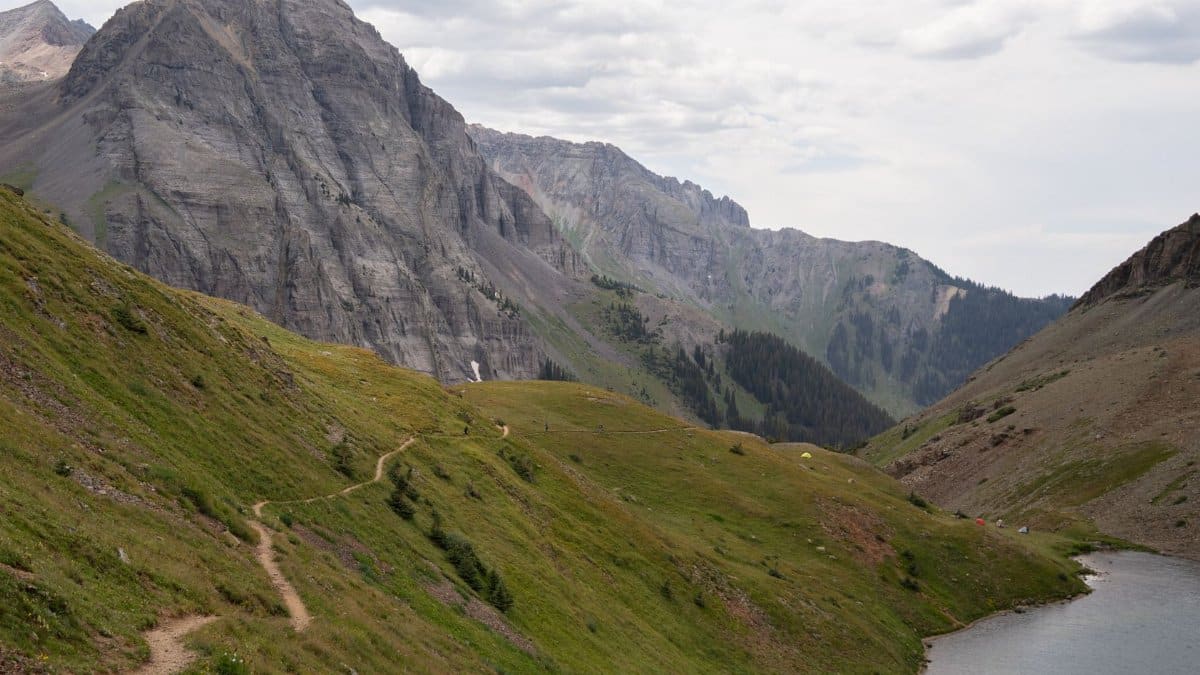
The growing popularity of outdoor pursuits in the Rocky Mountains has led local officials to seek new ways for different groups to enjoy the same paths. With visitor numbers climbing each season, several Colorado counties are now focusing on Colorado Hikers Mountain Bikers Trail Sharing 2026, Recreation as a way to ease conflicts and keep trails open for everyone.
Examining Rising Trail Use Across the State
Recent counts show a steady climb in both foot traffic and wheeled visitors on popular routes near Denver and Boulder. Land managers report that some paths see double the activity compared with five years ago. This surge brings economic benefits to nearby towns yet also strains existing infrastructure and patience among users.
Local Policies Aiming for Balanced Access

County boards have begun testing voluntary guidelines rather than blanket closures. These measures encourage slower speeds on busy segments and clear signage that explains right of way. Early feedback indicates most people respond well when they understand the reasoning behind each rule.
Community Meetings Shaping Future Plans

Public forums held last spring drew hundreds of residents who described both positive encounters and occasional friction. Officials recorded comments about narrow switchbacks and blind corners. The notes from those sessions now guide pilot programs scheduled to begin next spring.
Design Changes That Reduce Friction

Trail crews are widening certain shoulders and adding short passing areas where terrain allows. In steeper sections they install steps that slow bicycles without blocking hikers. Such adjustments cost less than new trail construction and preserve the natural setting visitors seek.
Economic Stakes for Gateway Towns
Retailers and lodging operators note that steady visitation supports jobs year round. A sudden loss of access could hurt small businesses that rely on weekend crowds. Leaders therefore favor solutions that maintain high use while lowering the chance of accidents or complaints.
Education Campaigns Reaching New Audiences

Visitor centers now hand out simple cards that outline basic courtesy on shared routes. Schools and youth groups receive short videos that demonstrate how to yield and communicate on the trail. The goal is to build habits before visitors reach the trailhead.
Monitoring Results Before Wider Rollout

Rangers will track speeds, near misses, and user satisfaction through the coming seasons. Data will determine whether the current approach expands or requires adjustment. Counties plan to share findings with neighboring jurisdictions facing similar pressures.
Looking Ahead to 2026 Recreation Goals

State agencies view Colorado Hikers Mountain Bikers Trail Sharing 2026, Recreation as a model that could apply elsewhere. Success here may influence funding decisions and land management plans across the West. The emphasis remains on practical steps that keep trails welcoming for the long term.