

In the wake of recent storms residents along a vital waterway noticed unusual debris and odors in the current. Laboratory analysis of water samples pointed to chemicals leaching from discarded tires scattered across the landscape. This situation highlights Hillsborough River Tire Pollution as a growing threat to the ecosystem and public health in the Tampa area.
Origin of Tire Materials Reaching Local Rivers
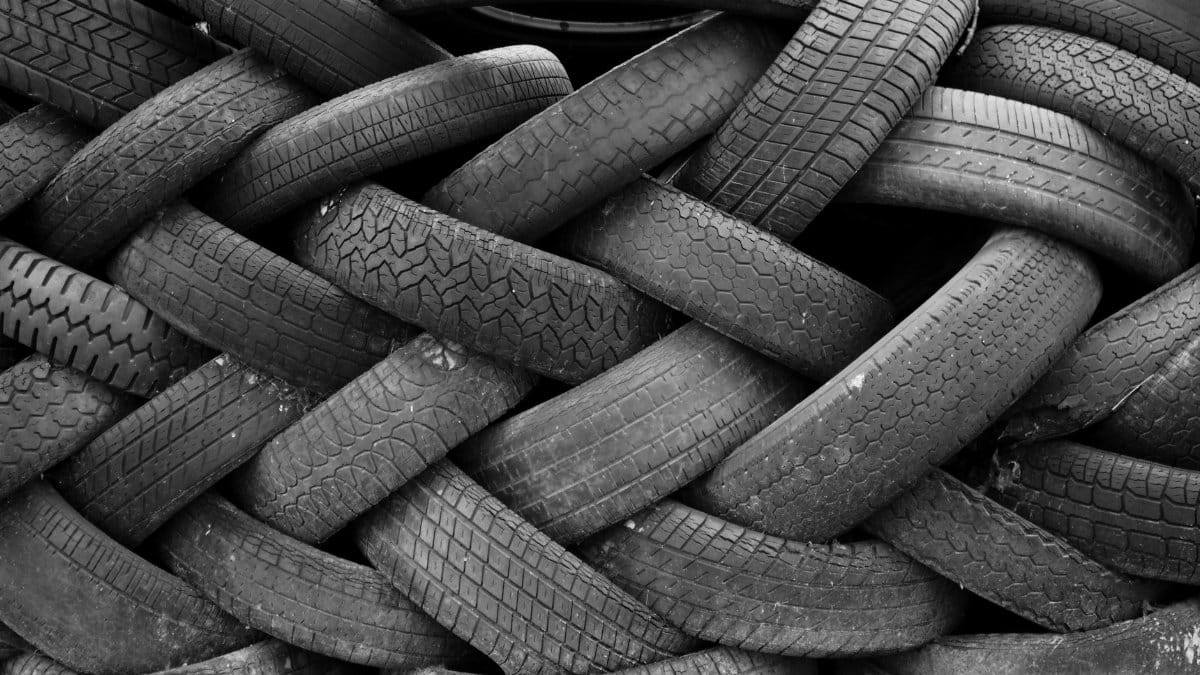
Every year millions of tires reach the end of their useful life on vehicles. Many find their way into landfills or recycling centers yet a notable share ends up in natural settings through illegal dumping or storm transport. Once in place these materials begin to degrade under exposure to sun water and microbes.
Chemical Compounds Released During Breakdown

Tires include a range of synthetic rubbers and protective agents designed for durability. Over months or years these agents transform into new molecules that dissolve readily in moisture. One such molecule has drawn particular attention from environmental monitors because of its persistence and potential effects on aquatic life.
Seasonal Patterns in Pollutant Levels
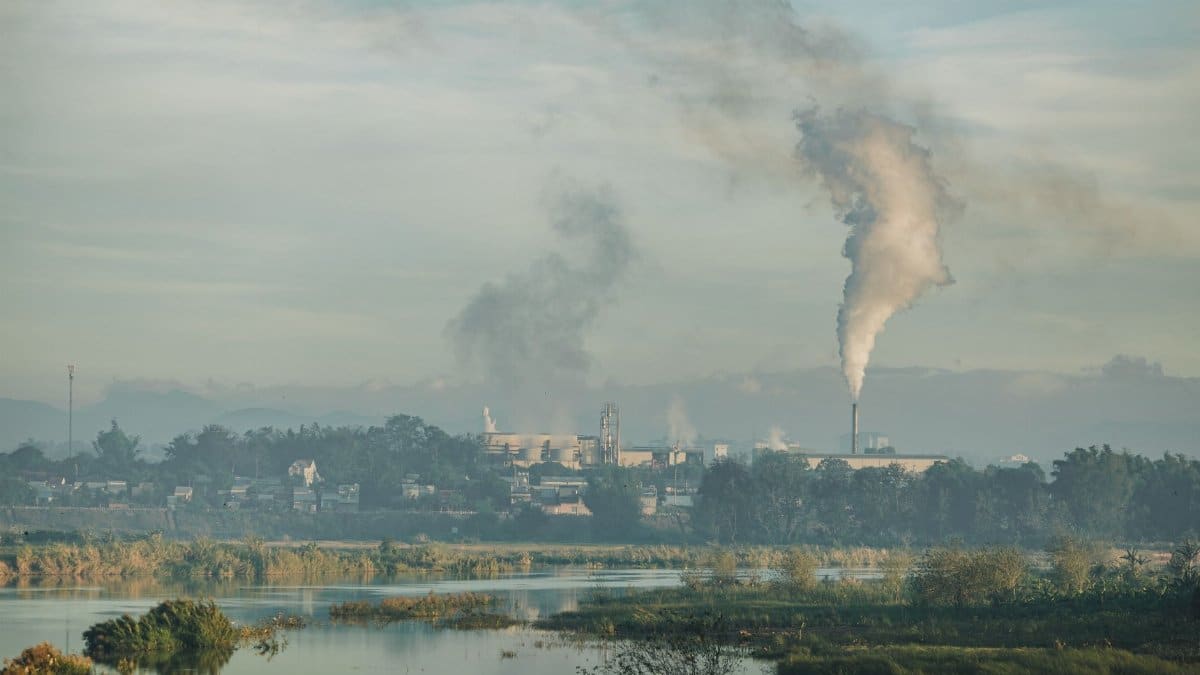
Data collected over multiple months show clear increases in the target compound after heavy rainfall events. Runoff carries particles and dissolved chemicals from roadsides and ditches directly into the river channel. Dry periods bring lower readings as dilution and sedimentation reduce concentrations.
Effects on Fish and Invertebrate Populations

Laboratory exposures and field surveys indicate stress responses in several native species. Gills and other sensitive tissues show changes consistent with chemical contact. Population counts in affected stretches remain lower than in comparable upstream locations free of tire debris.
Comparison With Other Regional Water Bodies
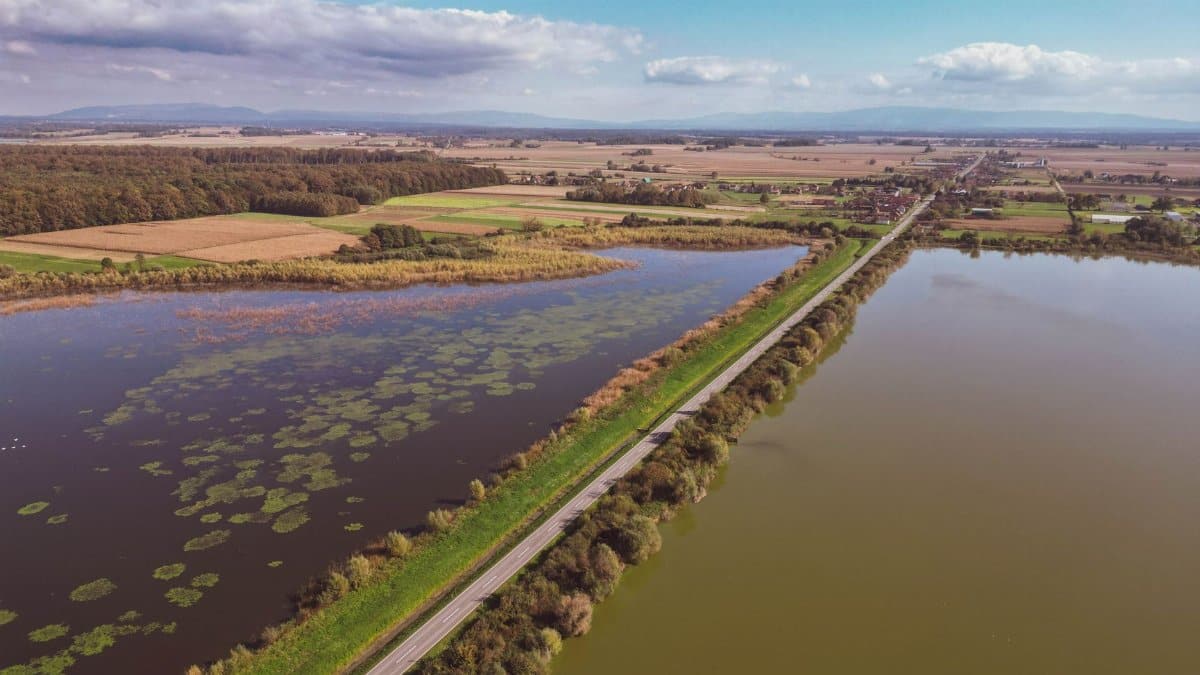
Similar compounds appear in other Florida streams yet concentrations here stand out. Factors such as urban density and limited natural filtration may explain the difference. Ongoing surveys aim to map the full extent across the broader Tampa Bay watershed.
Community Responses and Cleanup Initiatives

Local groups have organized regular collection drives to remove tires from banks and shallows. Volunteers record locations and quantities to guide future prevention efforts. Partnerships with waste management firms help transport collected material to proper processing sites.
Regulatory Steps Under Consideration

Officials at state and county levels review options for stronger enforcement against dumping. Proposals include expanded monitoring stations and incentives for tire retailers to improve take back programs. Early discussions also address design changes that might reduce chemical leaching from new products.
Research Needs and Future Monitoring Plans

Scientists emphasize the value of longer term studies to track trends and identify sources more precisely. Expanded sampling during different flow conditions would improve understanding of transport mechanisms. Collaboration with academic institutions could bring new analytical methods to the effort.
Broader Implications for Urban Water Management
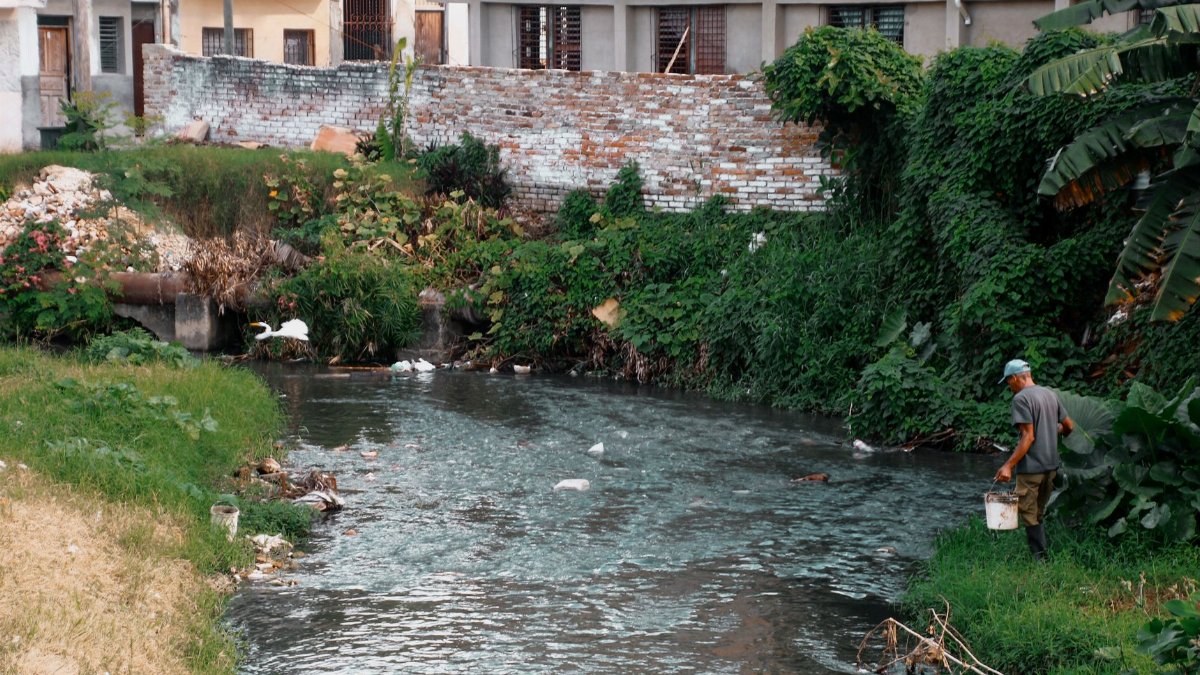
Findings from this river add to a growing body of evidence about vehicle related contaminants in developed landscapes. Solutions will likely require coordination across transportation waste and environmental agencies. Public awareness campaigns may also play a role in reducing accidental releases.