
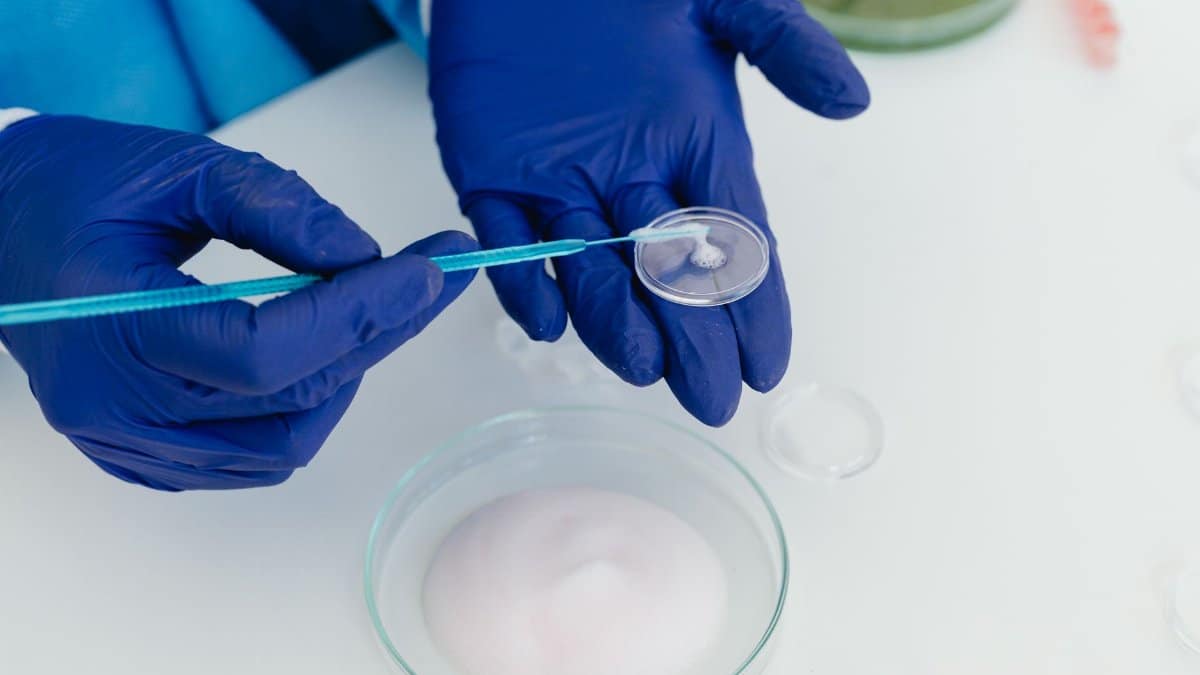
In laboratories where biologists tinker with the building blocks of existence a quiet revolution is underway. A researcher at the University of Minnesota has engineered a basic synthetic cell that performs essential functions mimicking natural ones. This development under the banner of UMN Synthetic Cell Research raises questions about how humanity might one day design life from scratch for medical or environmental purposes. The work draws on decades of genetic studies yet stands apart because it assembles components in ways not seen in existing organisms. Observers note that such advances could reshape treatments for diseases or even aid in creating new materials. Still the ethical dimensions remain unsettled as society grapples with the power to create rather than merely observe biological systems.
Foundations in Genetic Engineering

Early experiments in gene editing laid groundwork for later efforts to build cells entirely from designed parts. Teams refined techniques to insert custom DNA sequences into host frameworks allowing control over protein production and metabolic pathways. These methods evolved from simple bacterial modifications to more complex eukaryotic models. Progress depended on precise mapping of genomes across species to identify minimal sets of genes needed for survival and replication.
Role of University Teams

Academic groups at major institutions have long collaborated on projects that blend computation with wet lab work. At Minnesota the focus shifted toward constructing membranes capable of enclosing functional interiors while maintaining stability under varying conditions. Funding from federal sources supported equipment purchases and personnel training essential for handling delicate molecular assemblies.
Technical Steps in Cell Assembly
Scientists begin by selecting core genetic elements then synthesize them chemically before inserting them into lipid vesicles. Energy systems such as ATP generating modules are added to power internal processes. Division mechanisms are incorporated last to enable the structures to multiply in controlled environments. Testing involves monitoring growth rates and response to external stimuli over multiple cycles.
Potential Medical Applications

Engineered cells might deliver drugs directly to tumors or produce therapeutic compounds inside patients. They could also serve as sensors detecting biomarkers for early disease diagnosis. Researchers emphasize that years of safety validation lie ahead before any clinical use becomes feasible. Partnerships with hospitals may accelerate translation from bench to bedside.
Environmental Implications

Beyond health the same principles could yield organisms that break down pollutants or capture carbon more efficiently than current microbes. Designed cells might thrive in harsh settings like oil spills where natural species struggle. Monitoring ecological impacts will require careful field trials to avoid unintended spread.
Ethical Considerations

Creating life raises debates about playing god versus advancing knowledge for human benefit. Guidelines from bioethics panels stress transparency in methods and public engagement throughout development. Questions persist around ownership of synthetic organisms and their long term effects on biodiversity. International forums have begun discussing uniform standards for oversight.
Challenges in Scaling Production

Reproducibility remains difficult as small variations in assembly conditions can lead to nonfunctional products. Cost of reagents and specialized equipment limits participation to well resourced labs. Automation through robotics offers one path forward yet demands further innovation in software control systems.
Future Research Directions
Next phases may incorporate multiple cell types into cooperative communities that perform tasks no single unit could achieve alone. Integration with materials science could produce hybrid devices blending biology and electronics. Continued investment will determine whether these concepts move from proof of principle to practical tools.