
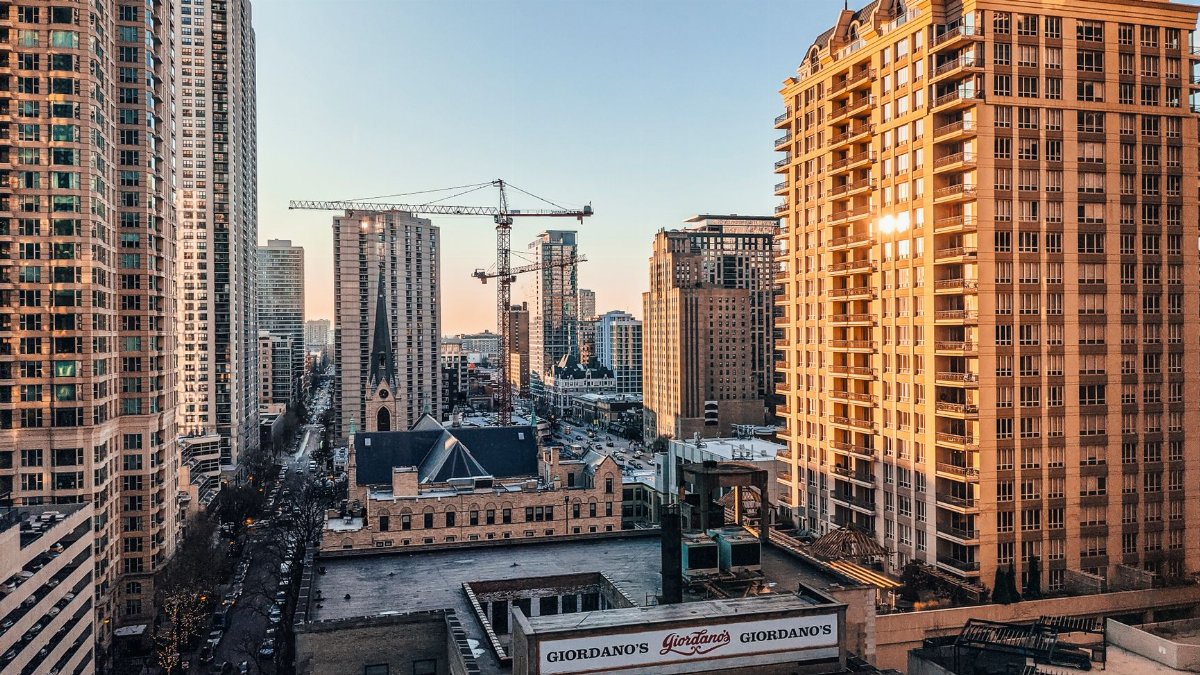
Galveston has long captured the imagination with its blend of historic charm and coastal resilience. Amid the island’s bustling downtown, one towering structure has defined the skyline for decades. That building now faces a significant transition through the Galveston Moody Plaza Skyscraper Auction Real Estate process expected in late June 2026. Observers see the event as a marker of shifting dynamics in the Texas Gulf Coast commercial sector where investors weigh opportunity against regional uncertainties.
Origins and Architectural Legacy

Completed in the middle of the twentieth century the tower rose as a symbol of postwar growth on the island. Its design reflected the era’s emphasis on functional modernism with clean lines and practical office layouts. Over time it housed banks insurance firms and professional services that anchored daily activity in the central business district. Preservation advocates note its role in preserving a sense of vertical identity rare among Gulf communities.
Ownership Transition Details

The property remained under family control for generations before financial pressures prompted the current sale. Court records indicate the decision followed extended negotiations with lenders seeking to resolve outstanding obligations. The upcoming auction therefore marks the first public offering of this asset in its history. Local officials have expressed hope that new ownership will bring renewed investment without disrupting ongoing tenancies.
Regional Real Estate Climate
Broader trends along the Texas coast influence buyer interest in the Galveston Moody Plaza Skyscraper Auction Real Estate listing. Rising insurance costs and periodic storm threats create caution yet steady tourism supports retail and hospitality demand. Analysts point to limited inventory of comparable high rise assets which could support pricing stability. Still some participants await clearer signals on interest rates before committing capital.
Potential Investor Profiles

Institutional funds and regional developers are expected to review the offering documents closely. Out of state groups may view the tower as an entry point to a market with established infrastructure. Local partnerships could emerge to retain operational knowledge while injecting fresh resources. Each category brings distinct priorities ranging from value add renovations to long term hold strategies.
Economic Ripple Effects

A successful transfer could stimulate adjacent property improvements and job creation in professional sectors. Conversely prolonged vacancy or deferred maintenance would weigh on downtown vitality. City planners emphasize the importance of coordinated efforts to integrate any upgrades with existing revitalization plans. Tax revenues tied to the building also factor into municipal budgeting discussions.
Structural and Compliance Factors

Prospective bidders must assess the building’s condition including mechanical systems and compliance with updated codes. Engineers have conducted preliminary reviews though full due diligence remains the responsibility of the winning party. Environmental reports address coastal exposure and historical occupancy patterns. These elements shape the risk profile presented at auction.
Community Perspectives

Residents and business owners watch the proceedings with a mix of anticipation and concern. Some recall the tower’s prominence during earlier periods of island expansion. Others focus on practical outcomes such as continued access to ground level amenities. Public forums have provided space for input yet final decisions rest with the eventual purchaser.
Market Comparisons
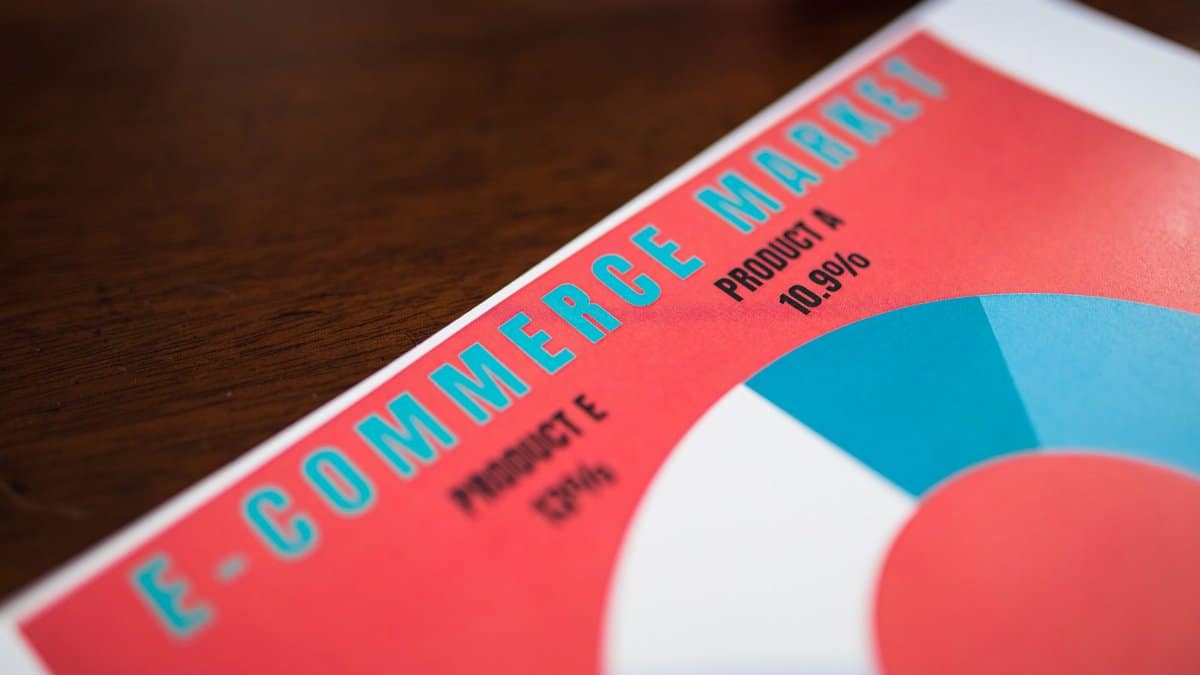
Similar coastal assets in nearby ports offer context for valuation. Properties in Houston and Corpus Christi have experienced varied results depending on timing and buyer intent. The Galveston Moody Plaza Skyscraper Auction Real Estate stands apart due to its singular downtown location and limited direct competition. Observers track these parallels for clues on likely outcomes.
Future Development Scenarios
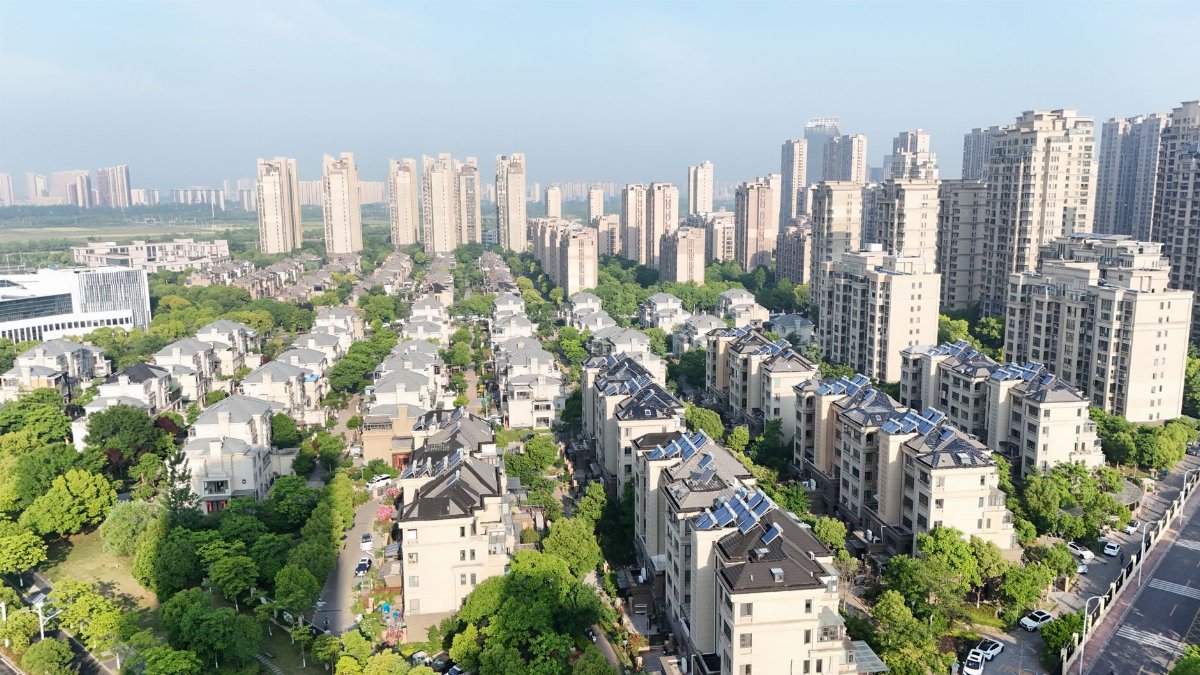
New ownership could pursue adaptive reuse converting portions to residential or mixed use configurations. Alternatively targeted upgrades might retain the office focus while enhancing sustainability features. Each path carries implications for skyline views and neighborhood character. Planning approvals would require alignment with municipal guidelines already in place.