
In the bustling core of downtown Minneapolis, where shoppers and office workers navigate the lively corridors of Nicollet Mall, a quiet tribute to earlier times persists amid rapid urban change. The Last Elevator Operator Minneapolis Nicollet Mall Young-Quinlan continues a practice that once defined vertical travel in the citys earliest high rises. This role, now rare across the nation, connects present day routines with the architectural and social customs of a century ago.
The Enduring Legacy of Manual Elevators
Manual elevators required skilled hands to manage speed and stops with precision. In the one hundred year old Young Quinlan structure, this method survives through dedicated service that avoids the automation common in newer towers. Riders often remark on the smooth glide and attentive guidance that machines cannot replicate.
Lee Bowsers Path to a Historic Position
Lee Bowser at age sixty five has assumed the mantle of operating the final manual lift in the area. His shifts on Tuesdays through Thursdays bring a personal touch to commutes within the Nicollet Mall vicinity. Colleagues note his steady demeanor and deep familiarity with the buildings quirks.
Daily Rhythms Inside the Young Quinlan Structure
Each morning begins with careful checks of cables and controls before passengers arrive. The Last Elevator Operator Minneapolis Nicollet Mall Young-Quinlan greets regulars by name while sharing brief observations about weather or local events. This interaction turns routine rides into moments of connection.
Architectural Context of Nicollet Mall History
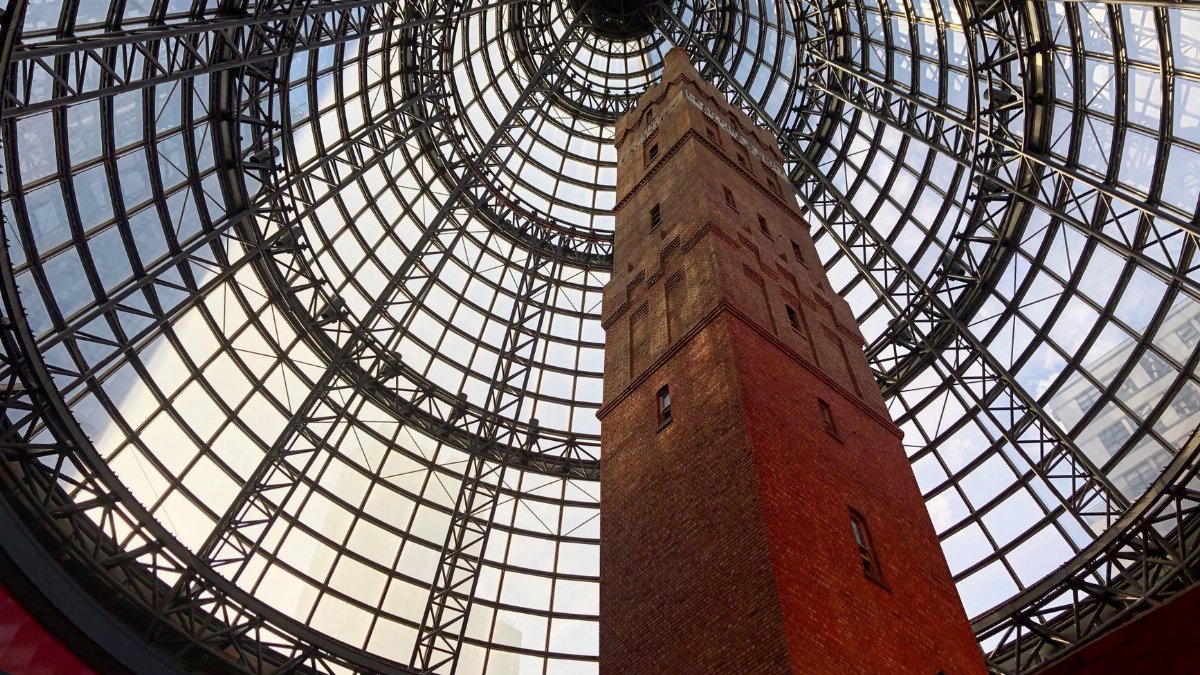
The building itself dates to an era when elevators represented luxury and progress. Its design reflects early twentieth century styles that valued both function and ornament. Preservation efforts have kept the original lift intact as a working example of that period.
Shifting Public Perceptions of Service Roles
Many view the position as a novelty in an age of self service technology. Yet conversations with frequent users reveal appreciation for the human element that adds warmth to otherwise impersonal spaces. This sentiment echoes broader discussions on maintaining traditions amid efficiency gains.
Training and Skills Passed Through Generations

Mastery of the manual system demands practice in balancing acceleration and door timing. Bowser learned through observation and hands on experience rather than formal courses. Such knowledge remains vital for safe operation in structures without modern sensors.
Community Ties Strengthened by Historic Service
Local historians and building tenants alike celebrate the continuity provided by this role. Events marking the structures centennial often highlight the elevator as a focal point. The Last Elevator Operator Minneapolis Nicollet Mall Young-Quinlan serves as a living link to those commemorations.
Obstacles in Sustaining Manual Operations
Parts for older equipment grow scarce over time, requiring creative sourcing or custom fabrication. Regulatory standards also evolve, placing unique demands on nonautomated systems. Despite these hurdles, the service persists through careful maintenance and commitment.
Looking Ahead for Urban Traditions
As downtown Minneapolis evolves with new constructions, questions arise about which elements deserve protection. The example set here suggests that selective preservation can enrich contemporary life. Observers wonder whether similar positions might reemerge in restored landmarks elsewhere.