

In recent weeks the San Francisco Chronicle has received an unprecedented number of submissions addressing the ties between the MAGA Project 2025 Trump Letters to Editor phenomenon and broader political shifts. Readers from across the political spectrum have weighed in with personal stories and pointed arguments that reflect deep concern over proposed changes to federal agencies and social programs. These letters reveal a public wrestling with the details of a conservative policy agenda that has moved from think tank papers to active discussion on the campaign trail. Many writers frame their comments around everyday impacts on families schools and workplaces rather than abstract ideology. The volume alone signals how central this debate has become in households far from Washington.
Origins of the Policy Framework

Project 2025 emerged from conservative organizations seeking to reshape the executive branch after the next inauguration. Letters describe its thick manual of recommendations as a roadmap for personnel decisions and regulatory rollbacks. Several contributors note that the effort draws on decades of prior conservative writing yet packages the ideas in unusually specific terms for quick implementation.
Reader Reactions from California

California residents have sent particularly detailed notes because state policies often intersect with federal rules on immigration environment and health care. One retired teacher in the Central Valley wrote that her former students could face abrupt changes in loan programs and curriculum guidelines. Others highlight worries about water allocation and coastal protections if enforcement priorities shift.
Connections to the MAGA Movement

Many correspondents trace direct lines between longstanding MAGA rhetoric and the staffing proposals inside the blueprint. They observe that language about draining the swamp appears alongside concrete plans to reduce civil service protections. This overlap has prompted some letter writers to question whether primary voters grasp the full scope of what adoption would require.
Letters Highlight Specific Agency Changes
Education the Environmental Protection Agency and the Department of Justice surface repeatedly in the mail. Readers cite passages that would alter grant formulas or investigative focus and then describe how those alterations might reach their own communities. A retired park ranger warned that scientific review processes could slow if political appointees gain greater authority over routine decisions.
Concerns About Democratic Norms
A recurring theme involves the concentration of power within the White House. Several submissions reference Schedule F reforms that would ease removal of career officials. Writers ask whether such steps would insulate future administrations from accountability or simply replace one set of experts with another loyal to different priorities.
Historical Comparisons Offered by Readers

Some letters place the current moment alongside earlier transitions such as the Reagan era or the early Clinton years. Contributors note that past efforts at reorganization faced congressional pushback and court challenges. They wonder whether contemporary proposals would encounter similar friction or move more swiftly given unified party control.
Voices from Across the Spectrum
Not every submission opposes the agenda. A smaller set of letters welcomes the chance to shrink federal footprints in areas such as energy production and education standards. These writers argue that returning authority to states would produce better outcomes tailored to local conditions rather than uniform national rules.
Impact on Everyday Services

Practical questions dominate much of the correspondence. Parents ask how school nutrition programs would fare. Small business owners wonder about lending rules and labor regulations. Seniors express uncertainty over Medicare adjustments that appear in the margins of the larger document.
Role of Media Coverage
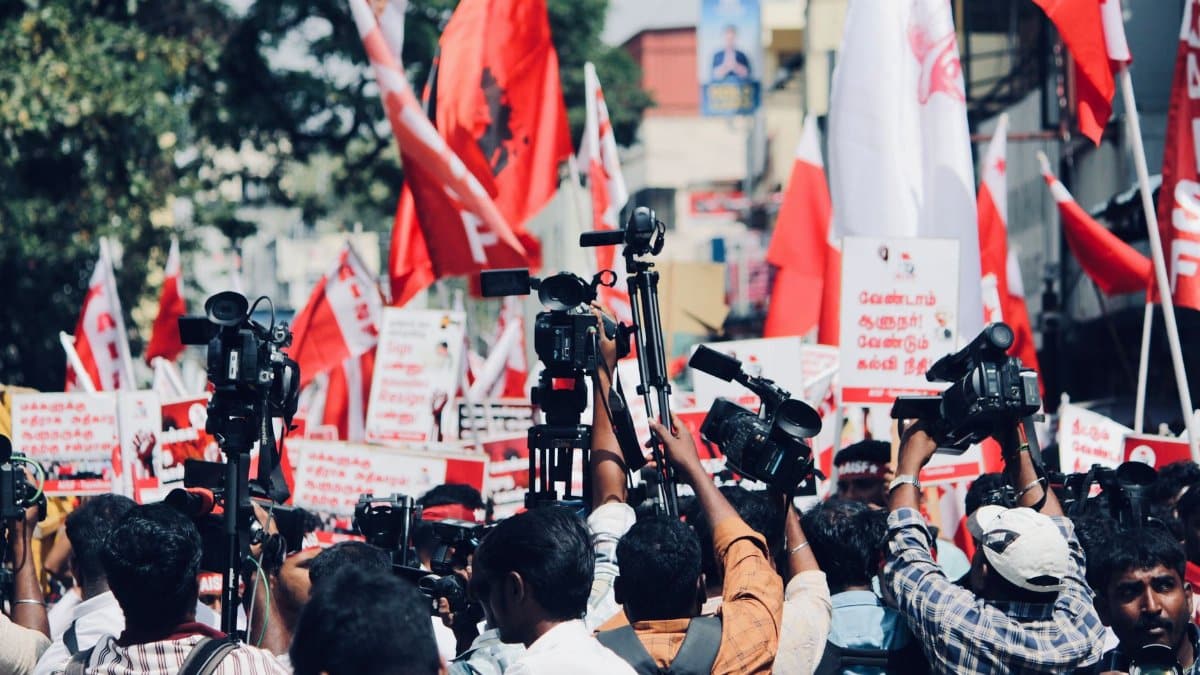
Multiple submissions credit or criticize news outlets for the level of attention given to the blueprint so far. Some readers say initial reporting focused too heavily on personalities and not enough on the fine print. Others feel the coverage has overstated the document influence while underplaying the political will required to enact its recommendations.
Looking Ahead to Public Debate

As the election season intensifies the letters suggest the conversation will remain lively. Contributors urge elected officials to clarify their positions rather than treat the blueprint as background reading. They also call for town halls and candidate forums that move beyond slogans to the operational details contained in hundreds of pages of text.