
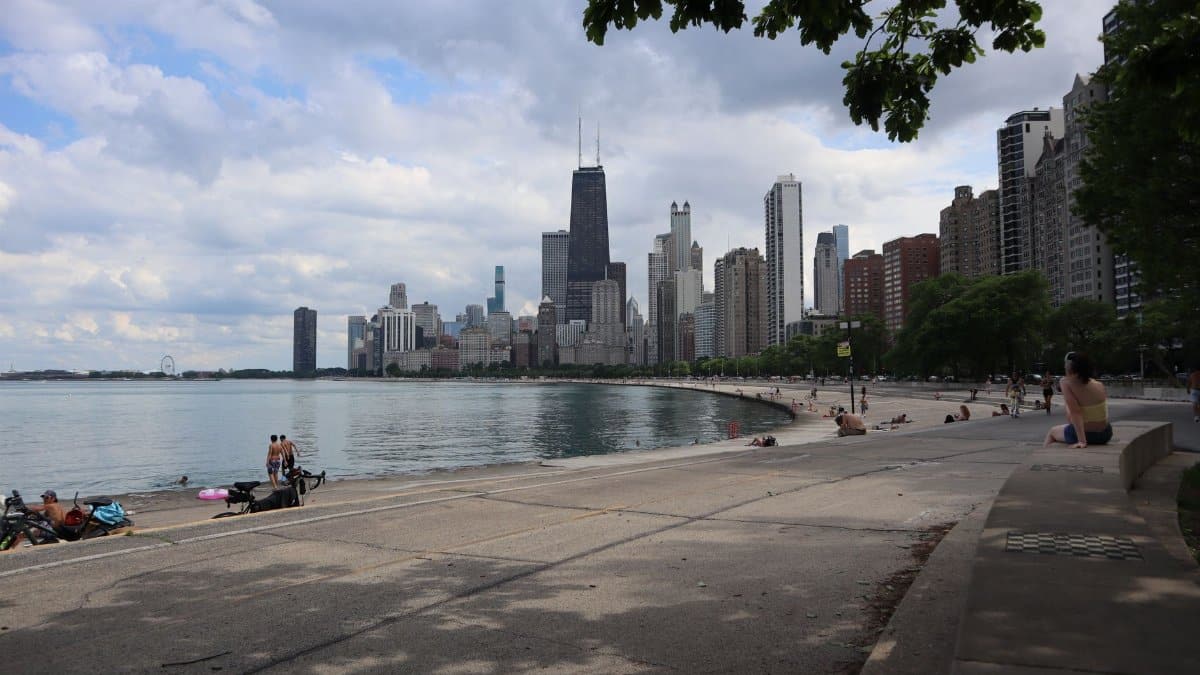
As residents across Illinois awoke this week to another stretch of punishing conditions forecasters moved quickly with alerts tied to the Chicago Heat Wave 2026, Illinois Extreme Heat Warning, Chicago Cooling Centers, Heat Index 105, Public Safety Illinois. The situation has left many wondering how long the strain will last and what steps might ease the load on households and hospitals alike.
Current Forecast Details and Timing

National weather services placed much of northern Illinois under an extreme heat warning that runs through Wednesday evening. Afternoon readings are expected to reach the middle nineties with humidity pushing the heat index to 105 in many neighborhoods. Overnight lows will offer only modest relief staying above eighty degrees across the urban core.
Why Humidity Makes the Difference

High moisture levels prevent the body from cooling through normal evaporation. This combination turns otherwise manageable temperatures into a serious health threat. Medical staff note that even healthy adults can face risks after several consecutive days without a break from the moisture laden air.
Who Faces the Greatest Strain

Older adults, young children and people with chronic illnesses remain most exposed. Those living in older buildings without air conditioning often keep windows closed for security reasons which traps heat indoors. Outreach teams have begun door to door checks in several south and west side districts to locate anyone needing transport to relief sites.
How Cooling Centers Operate This Week
City and suburban libraries along with park district field houses have extended hours and added extra staff. Transportation departments are running additional buses on routes that serve these locations. Each site offers water chilled towels and basic medical screening for signs of heat exhaustion.
Steps Officials Recommend for Daily Safety
Authorities advise residents to drink water on a set schedule rather than waiting for thirst. Light colored loose clothing helps the body release heat. Pets should stay inside during peak afternoon hours and never be left in parked vehicles even for short stops.
Pressure on Local Hospitals and EMS
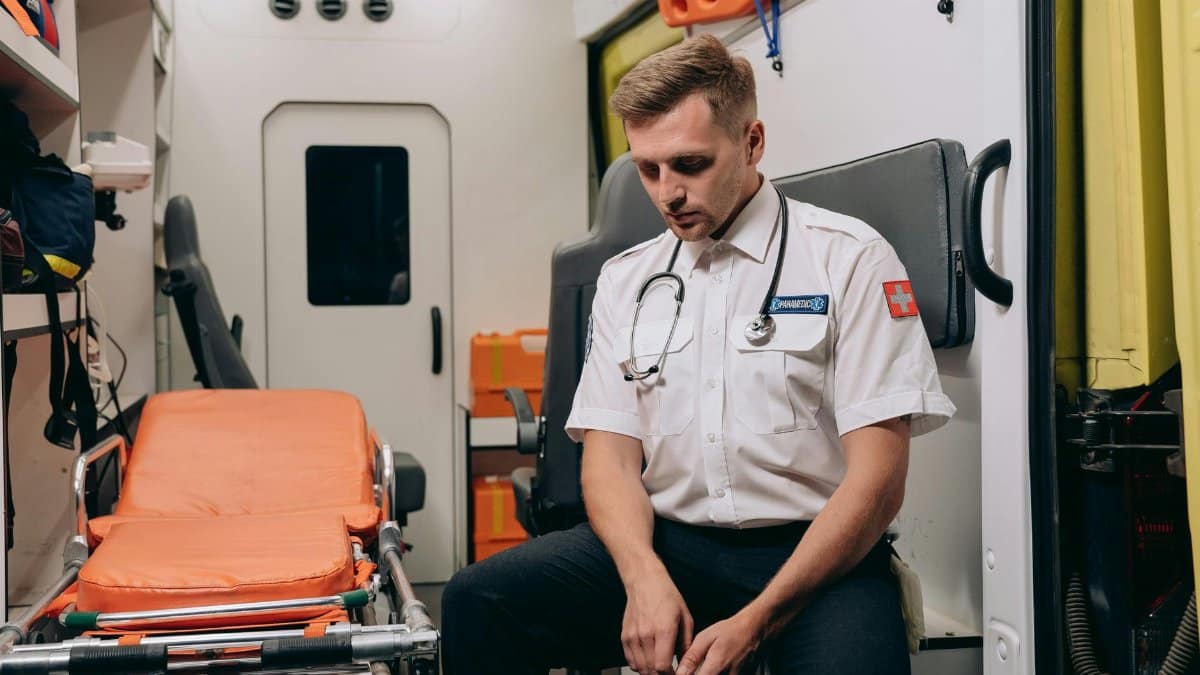
Emergency rooms report a steady rise in patients complaining of dizziness nausea and confusion. Ambulance crews carry extra saline and ice packs on every call. Hospital administrators have opened overflow areas and called in additional nurses to handle the influx.
Lessons From Earlier Heat Events
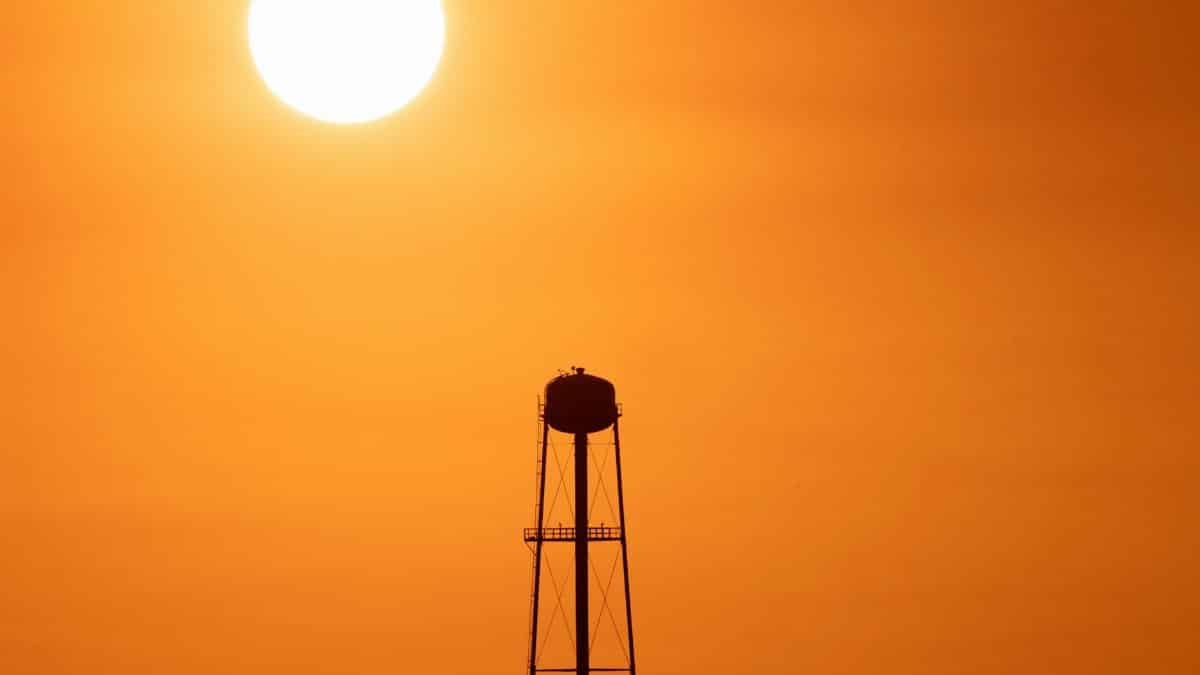
Previous stretches of extreme heat in the region prompted reviews of emergency response plans. Those reviews led to improved communication networks between city agencies and nonprofit groups. Current operations reflect those earlier adjustments with faster activation of cooling sites and clearer public messaging.
Effects on Workplaces and Transit
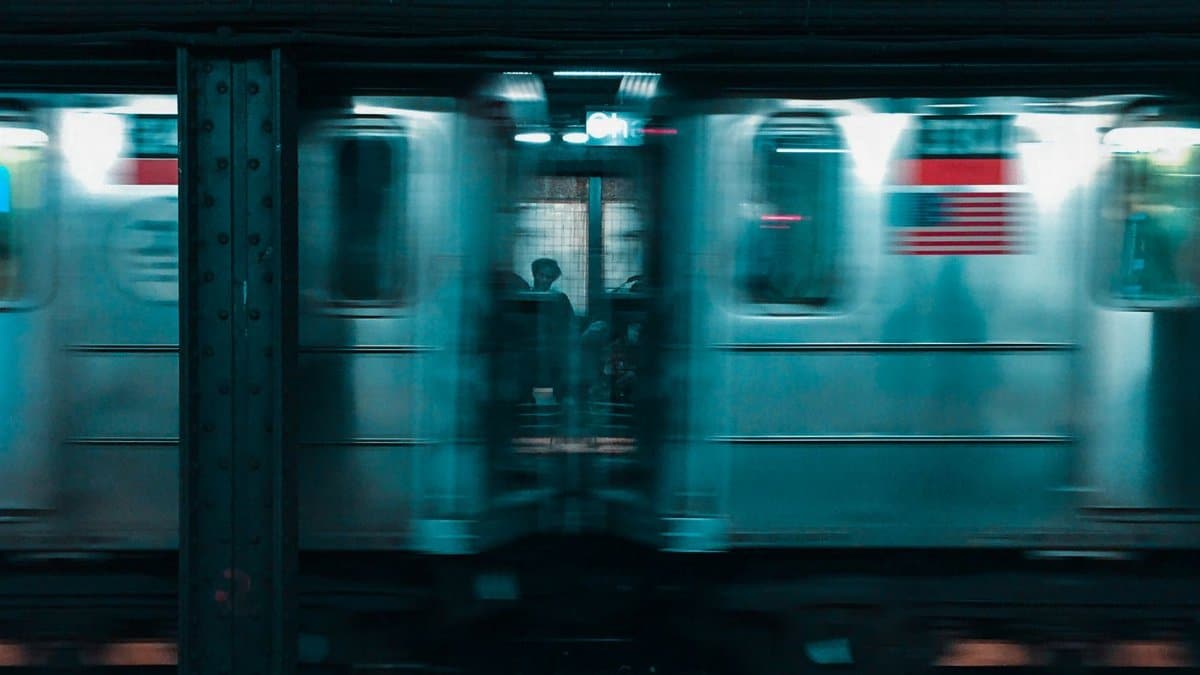
Construction crews and delivery drivers adjust schedules to avoid the hottest hours. Some employers provide extra breaks and shaded rest areas. Transit operators increase the frequency of announcements reminding riders to stay hydrated and watch for signs of distress among fellow passengers.
Looking Ahead to Future Seasons

City planners continue to study ways to expand tree cover and reflective roofing in the densest neighborhoods. Such measures can lower surface temperatures over time and reduce the overall demand on power grids during peak events. Funding discussions are already underway for pilot projects in several wards.
Community Networks Filling Gaps
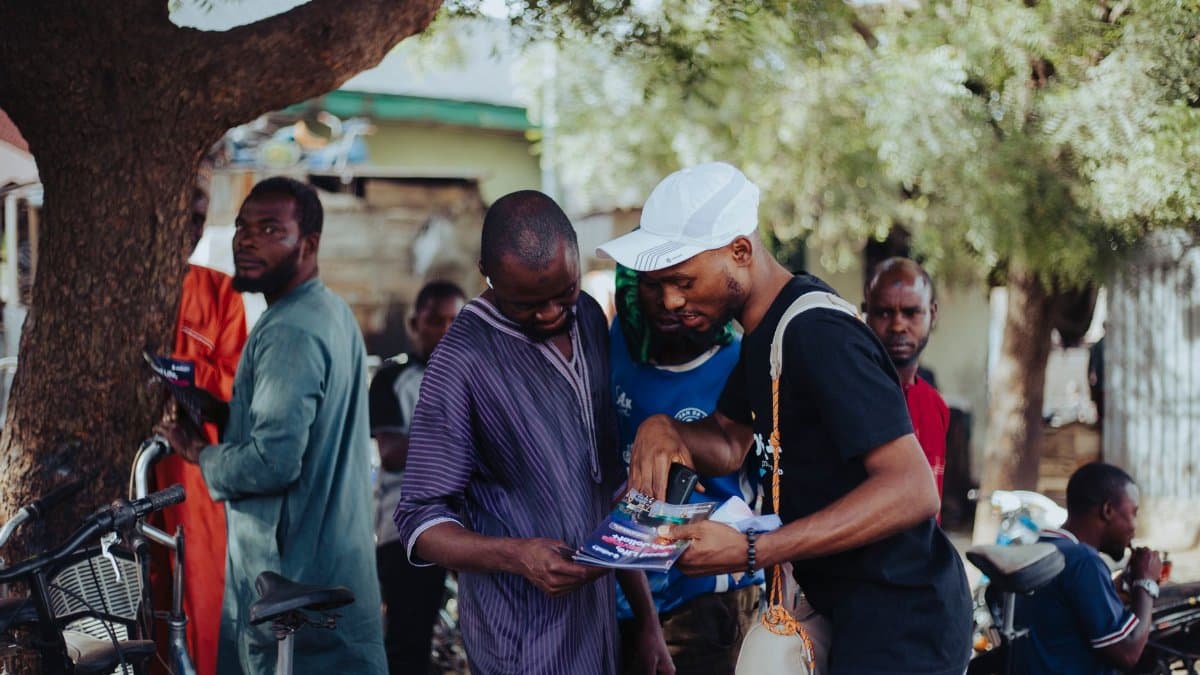
Block clubs and faith based groups have set up informal check in systems using phone trees and text groups. These networks reach people who might not see official alerts or who lack easy access to cooling centers. Volunteers deliver water and fans to apartments where residents cannot leave home easily.