

In Cambridge Massachusetts a young family recently found themselves priced out of their longtime neighborhood as rents continued to climb beyond their means. Such stories have become all too common prompting city leaders to consider new models for providing homes that remain affordable over generations. The Cambridge Social Housing Plan, Massachusetts Affordable Housing, Cambridge Housing Policy 2026 represents one such effort to reshape how the city approaches lasting solutions amid intense market pressures.
Background on Local Housing Struggles
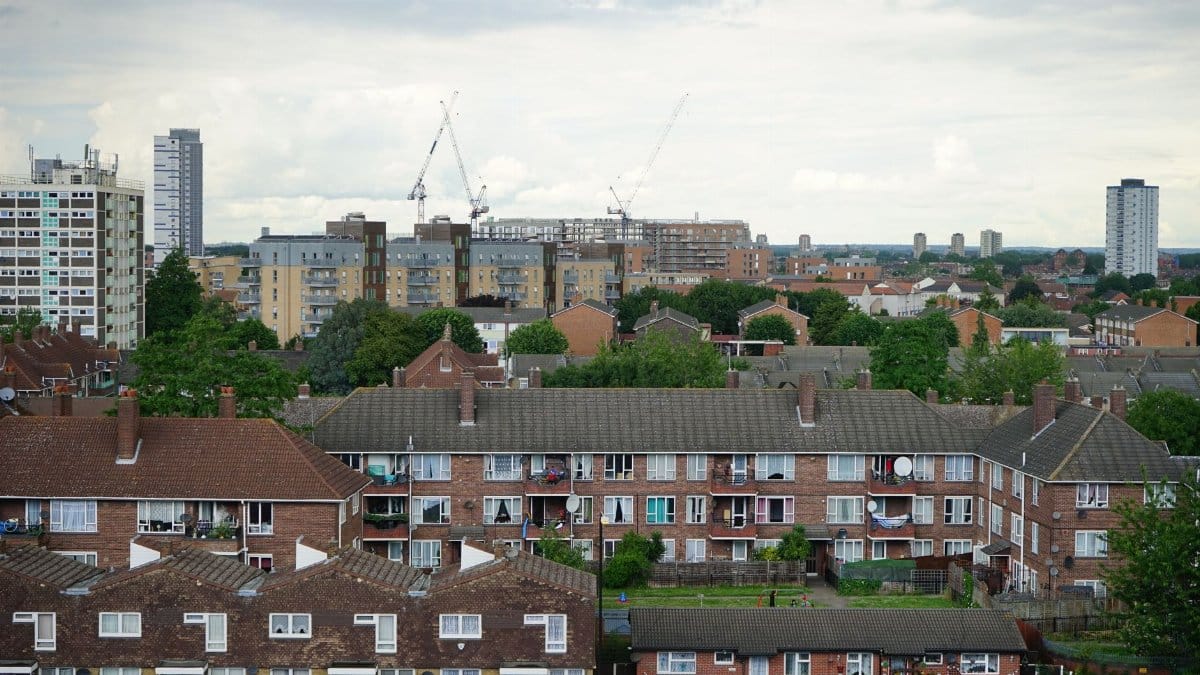
Cambridge has long dealt with high demand for limited residential space near major universities and technology centers. Property values have surged in recent years leaving many longtime residents and newcomers alike searching for stable options. Local officials note that traditional subsidy programs often fall short when market forces push costs higher each year.
Core Elements of the Proposed Approach

The Cambridge Social Housing Plan emphasizes permanent affordability through community owned buildings rather than time limited subsidies. This framework draws from European examples where public entities retain ownership to prevent future price spikes. Planners aim to integrate these ideas into broader Massachusetts Affordable Housing strategies that prioritize equity across income levels.
Potential Benefits for Middle Income Households

Families earning moderate wages could gain access to units priced below market rates indefinitely. Proponents argue this stability supports workforce retention in essential sectors such as education and healthcare. Early projections suggest thousands of households might qualify under Cambridge Housing Policy 2026 guidelines if funding aligns with construction timelines.
Challenges in Implementation and Funding

Securing land and capital remains a significant hurdle for any large scale social housing effort. City budgets face competing demands while state and federal support varies with political shifts. Advocates stress the need for creative financing tools that blend public resources with private contributions without compromising long term control.
Comparison with Existing Affordable Housing Programs

Current Massachusetts Affordable Housing measures often rely on tax credits that expire after set periods. In contrast the Cambridge Social Housing Plan seeks ongoing public stewardship to lock in lower costs. This distinction could influence how Cambridge Housing Policy 2026 evolves relative to neighboring communities.
Community Input and Planning Process

Public meetings have drawn diverse voices including renters activists and property developers. Feedback highlights concerns over displacement during construction phases as well as hopes for inclusive design features. Officials plan further rounds of consultation before finalizing details under the Cambridge Social Housing Plan.
Role of State and Federal Policies

Broader Massachusetts Affordable Housing frameworks provide some legal tools but additional reforms may be required. Federal housing initiatives could offer matching funds though competition for those dollars is fierce. Cambridge Housing Policy 2026 will likely need to adapt based on these external variables.
Examples from Other Cities

Vienna maintains a robust social housing stock that covers a large share of residents at controlled prices. Similar models in parts of Scandinavia show reduced homelessness and greater neighborhood stability. Cambridge leaders have studied these cases to tailor elements suitable for local conditions.
Projected Timeline and Milestones

Initial pilot sites could break ground within two years if approvals proceed smoothly. Full rollout under Cambridge Housing Policy 2026 might extend through the decade with periodic evaluations. Success metrics would track resident retention and overall cost savings compared to market trends.
Outlook for Long Term Affordability

Sustained commitment to the Cambridge Social Housing Plan could ease pressures that have defined the region for decades. By focusing on ownership structures that resist speculation the approach offers a different path forward for Massachusetts Affordable Housing overall.