
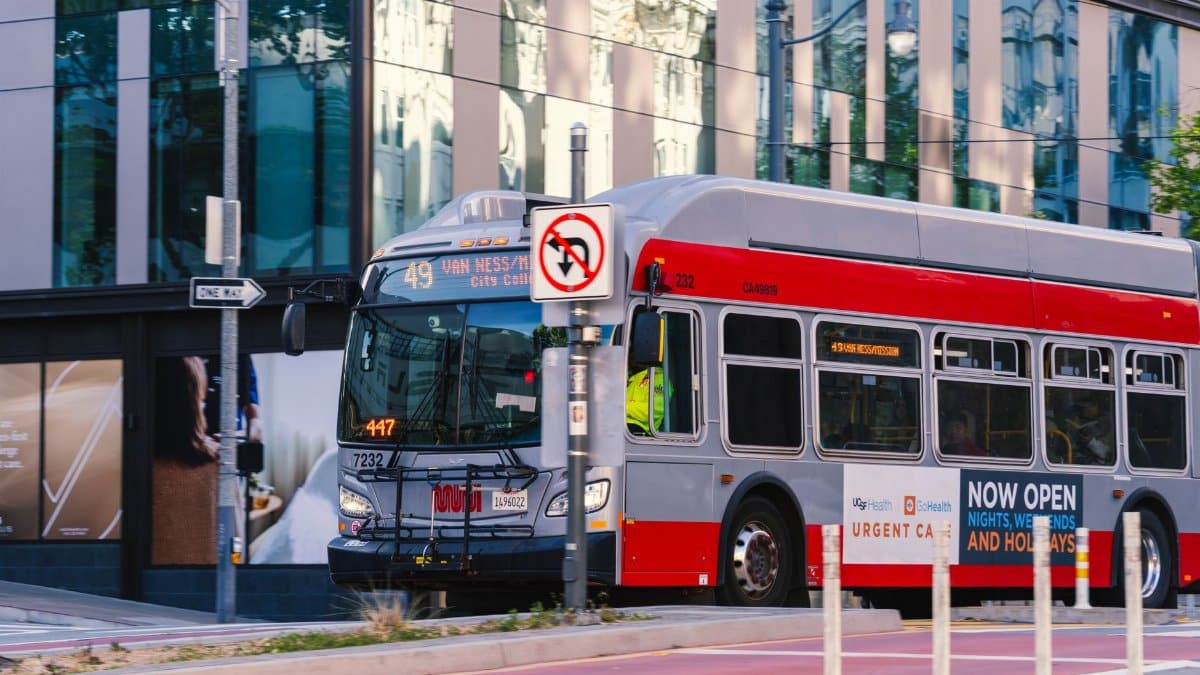
Along the wide stretches of Ocean Avenue where daily commuters and neighborhood shoppers mingle amid steady traffic flows the push for dedicated transit improvements has drawn sharp reactions from those running local stores and eateries. City planners see an opportunity to make Muni rides quicker and more reliable yet business leaders fear changes that could alter how customers reach their doors. The discussion around Muni Ocean Avenue Transit Lanes Merchants Opposition brings these tensions into focus as stakeholders weigh faster service against everyday commerce needs.
Origins of the Transit Upgrade Plan
San Francisco officials have long sought ways to ease delays on busy routes serving the Ingleside district. Ocean Avenue carries thousands of riders each day yet buses often crawl behind private cars during peak hours. Proposals call for painted red lanes reserved for Muni vehicles along key segments to reduce wait times and encourage more people to leave their automobiles at home. Supporters point to similar projects elsewhere in the city that cut travel durations by noticeable margins.
Merchant Concerns Over Access and Parking

Local shopkeepers express worry that removing general traffic lanes will funnel more vehicles onto side streets and limit spots for short term stops. Many rely on drivers who pop in for quick purchases before heading elsewhere. Reduced parking availability near storefronts could mean fewer impulse buys according to several owners who have operated along the avenue for years. They argue the changes overlook how small businesses depend on flexible street use rather than rigid transit priorities.
Traffic Flow Impacts on Surrounding Roads
Critics among the merchant group suggest that concentrating buses in exclusive lanes might push remaining cars onto parallel routes already handling heavy loads. This shift could create backups at intersections near residential blocks and complicate deliveries to stores. Data from past lane experiments in other districts shows mixed results with some areas seeing overall slowdowns during adjustment periods. Business advocates want detailed modeling before any permanent markings appear on Ocean Avenue pavement.
City Data on Expected Time Savings
Proponents cite agency studies projecting shorter trips for riders once the lanes take effect. Average bus speeds could rise enough to make public transit competitive with driving for many daily journeys. Officials emphasize that reliable service attracts new riders over time easing pressure on crowded streets overall. Yet merchants question whether these projections account for real world variables like construction seasons or seasonal shopping peaks that affect avenue activity.
Community Meetings and Public Feedback Sessions
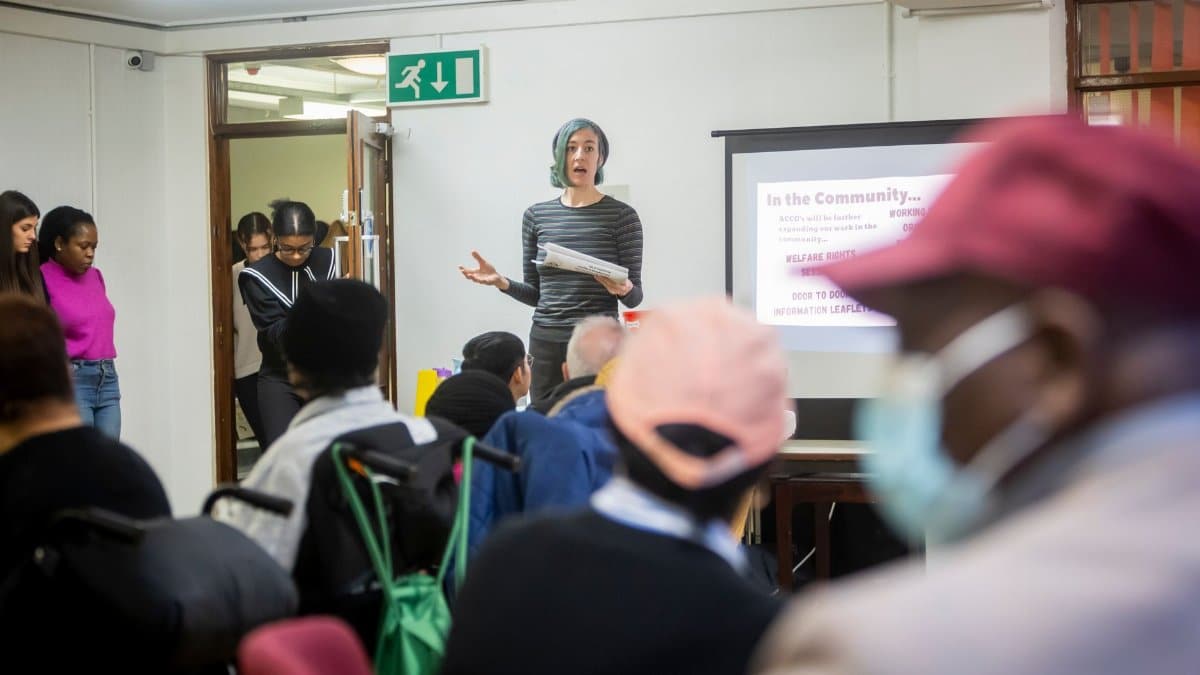
A series of gatherings allowed residents and business representatives to voice opinions directly to planners. Attendance included families who use Muni regularly alongside store operators concerned about viability. Discussions revealed divides between those prioritizing transit equity and others focused on maintaining steady foot traffic for commerce. Notes from these sessions show repeated calls for hybrid designs that preserve some flexibility for loading zones and customer pullouts.
Economic Ripple Effects on Local Retail
Ocean Avenue serves as a hub for neighborhood commerce with a mix of cafes grocers and service shops. Any reduction in drive by visibility risks lowering sales volumes especially for establishments without strong online presence. Merchants recall previous street modifications that temporarily hurt revenues until habits adjusted. They seek mitigation measures such as extended loading hours or promotional support to offset potential disruptions during implementation.
Comparisons With Other City Transit Projects
Similar efforts on corridors like Geary Boulevard produced faster Muni performance but also prompted complaints from adjacent businesses during rollout. Lessons from those cases inform current planning yet differences in avenue width and merchant density create unique challenges here. Advocates for the Ocean Avenue changes stress adaptive management to address issues as they arise rather than fixed blueprints.
Next Steps for Agency Review and Approval

The transit authority continues to refine designs based on input gathered so far. Final decisions will rest with city leaders who must balance mobility goals against commercial vitality. Further analysis of traffic patterns and business surveys could shape adjustments before construction begins. Observers expect continued dialogue as details solidify in coming months.