
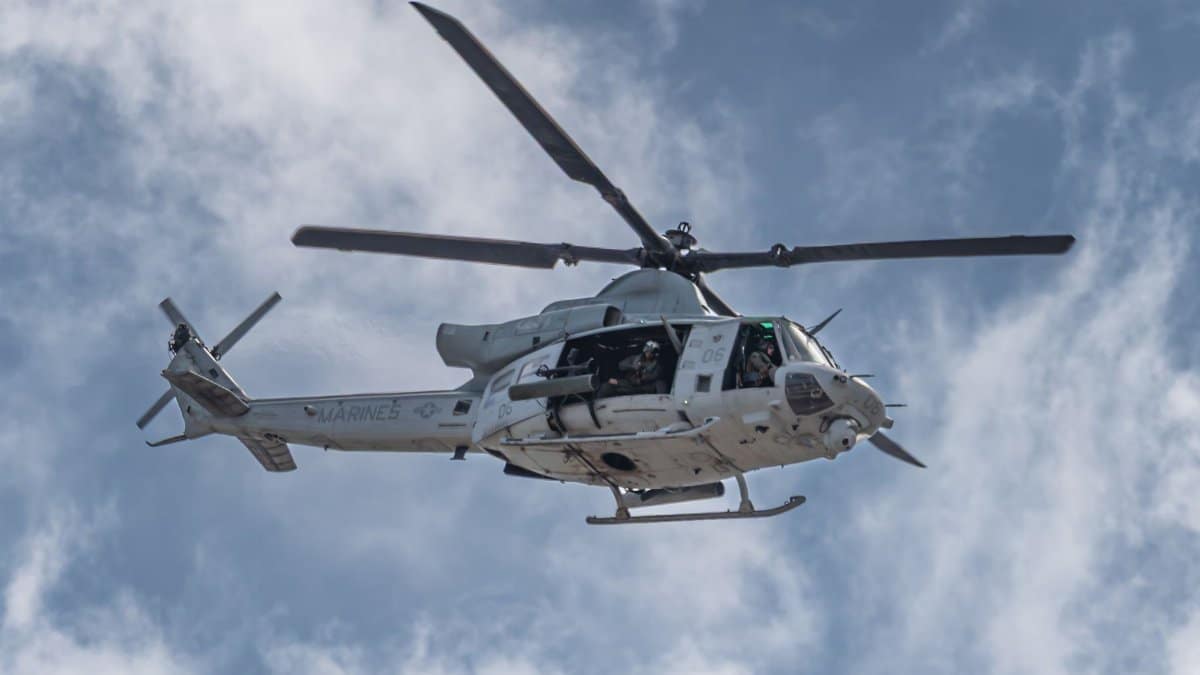
The waters off the coast of San Diego turned into a scene of urgent activity when reports emerged of a Marine who vanished amid routine exercises at sea. Authorities quickly mobilized resources to address what is now known as Marine Missing San Diego Coast Search, with vessels and aircraft combing the area in coordinated patterns. The shift from active rescue to recovery mode reflects the harsh realities of ocean conditions and time passed since the incident first came to light. Officials emphasize the challenges posed by currents and visibility, underscoring how such events test the limits of even the most prepared teams.
Circumstances Surrounding the Incident
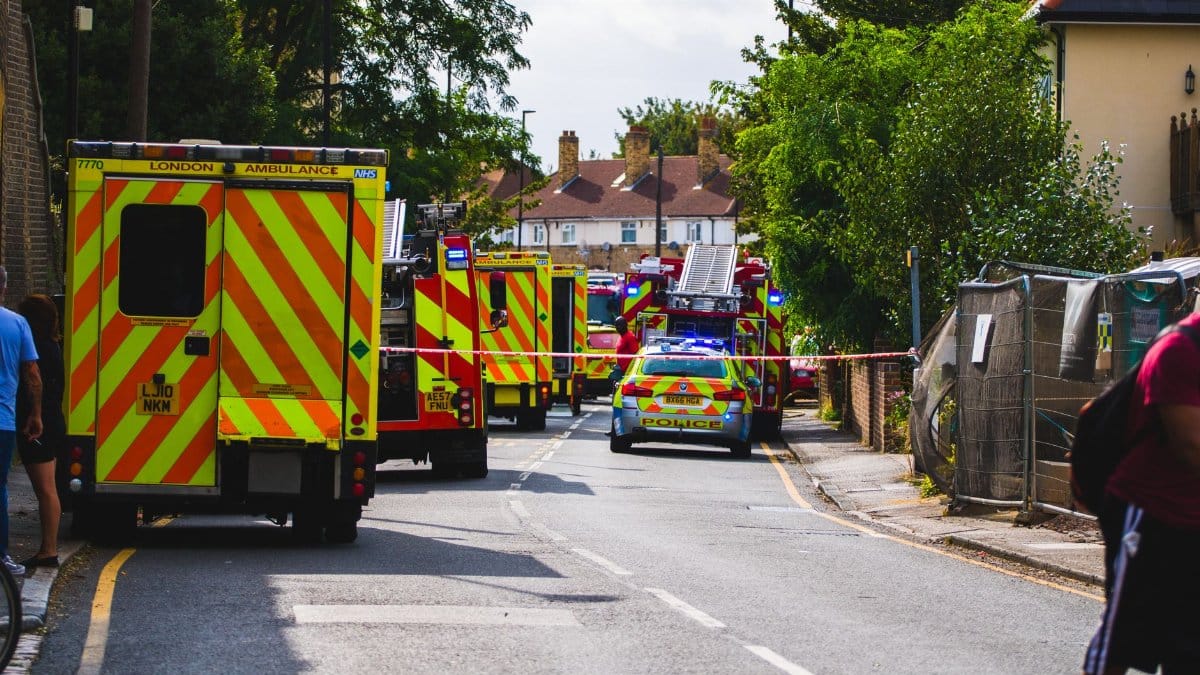
The Marine was participating in standard drills aboard the USS Anchorage when the disappearance occurred. Witnesses noted sudden rough swells that may have contributed to the event, though investigations continue to piece together exact details. Military protocols require immediate alerts, leading to rapid deployment of support units across the region.
Scale of the Military Response
Multiple ships joined helicopters in sweeping grids across several square miles of ocean. Divers and sonar equipment played key roles in the effort, adapting to changing weather patterns that often hinder progress. This level of involvement highlights the priority placed on every service member during such operations.
Environmental Factors at Play

Strong currents and cooler water temperatures create significant obstacles for recovery teams working in the area. Experts note that these conditions can alter search paths quickly, requiring constant adjustments based on real time data from buoys and weather stations. The Pacific environment here demands respect for its unpredictable nature.
Role of the USS Anchorage
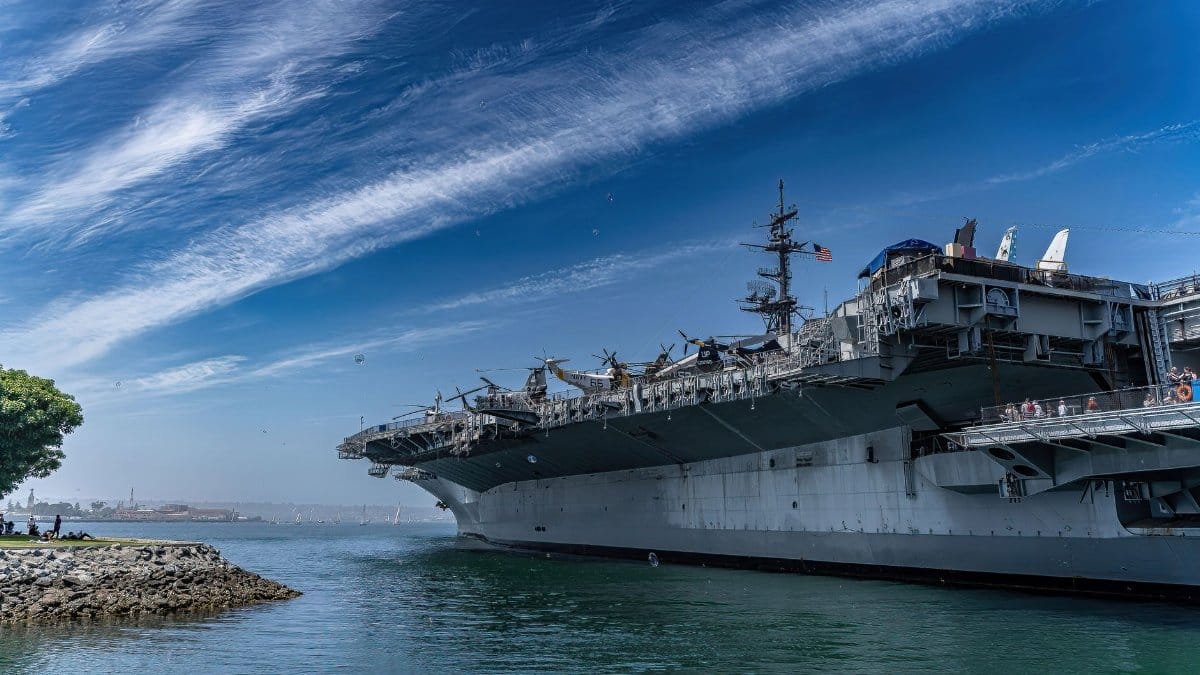
The vessel served as the primary platform for the initial response, with crew members trained extensively in emergency procedures. Its position near the site allowed for swift action, including the launch of smaller boats to expand coverage. Such ships routinely handle complex missions that extend beyond basic transport duties.
Community and Family Perspectives

Those connected to the missing Marine have expressed a mix of hope and concern while awaiting updates from official channels. Local support networks in San Diego have organized gatherings to share information and provide comfort during the extended period of uncertainty. These reactions reflect broader ties within military families who face similar risks.
Historical Context of Similar Cases

Past incidents involving service members at sea have led to improvements in equipment and training standards over the years. Reviews of those events often focus on communication systems and personal flotation devices to prevent future losses. Lessons drawn from prior searches inform current strategies employed by naval forces.
Technical Tools in Use

Advanced sonar arrays and unmanned underwater vehicles assist human divers by mapping the seafloor in detail. These technologies help identify objects of interest while reducing risks to personnel in hazardous zones. Integration of satellite imagery further refines the areas under active examination each day.
Broader Implications for Training

Events like Marine Missing San Diego Coast Search prompt reviews of exercise safety measures across naval commands. Adjustments may include enhanced monitoring during drills and better preparation for sudden environmental shifts. The goal remains to maintain readiness without unnecessary exposure to harm.
Official Statements and Updates

Spokespersons for the military have provided regular briefings on progress, stressing commitment to thorough coverage of the search zone. They avoid speculation while confirming the transition to recovery phases based on elapsed time and conditions. Transparency in these communications helps manage public expectations.
Future Outlook for Operations

Recovery efforts will likely continue with refined focus areas as data accumulates from ongoing sweeps. Marine Missing San Diego Coast Search serves as a reminder of the demands placed on those who serve in maritime roles. Continued investment in capabilities aims to address gaps exposed during such challenging episodes.