
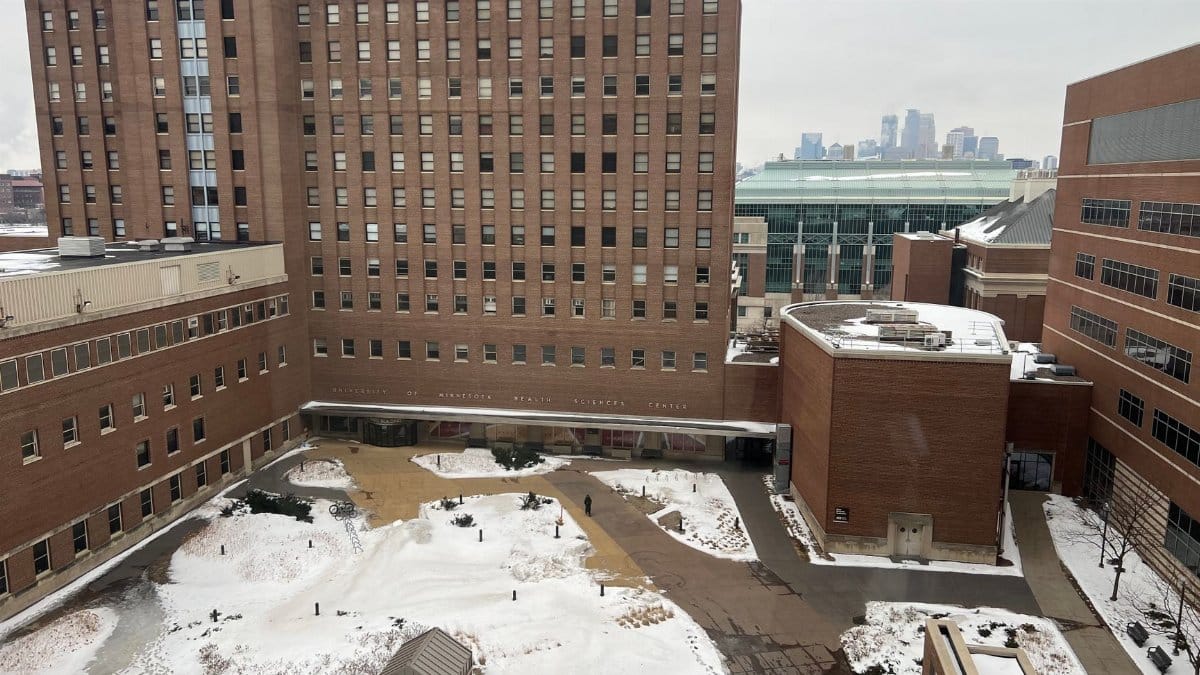
Families across the state face mounting expenses after university leaders endorsed a series of financial adjustments in late June 2026. The move reflects broader challenges in public higher education funding and sets the stage for University of Minnesota Tuition Increase Budget Cuts 2026 that will reshape student costs and campus operations over the coming years. Middle aged parents now recalculate college budgets while administrators search for ways to preserve academic quality amid reduced state support.
Background on Recent Approvals

University regents reviewed multiple proposals before settling on a 3.8 percent tuition adjustment paired with targeted reductions in administrative spending. The action followed months of committee meetings and public forums where faculty and students voiced concerns about long term access.
Impact on Student Families

Many households now project an extra several hundred dollars each semester for tuition alone. Parents who once assumed steady costs must revisit savings plans and consider part time work options for their children to offset the added burden.
State Funding Trends
Legislative appropriations for the university system have remained flat or declined in real terms for several cycles. This pattern leaves campus leaders with fewer resources to cover rising operational expenses such as utilities and technology upgrades.
Administrative Cost Reductions

Officials identified areas where consolidation could yield savings without immediate cuts to classroom instruction. These steps include merging certain support offices and renegotiating vendor contracts across multiple campuses.
Effects on Academic Programs

Some departments anticipate slower hiring for open faculty positions while others explore shared course offerings with neighboring institutions. The goal remains to protect core degree pathways despite tighter budgets.
Student Aid Adjustments

Financial aid packages will receive modest increases to blunt the tuition rise for qualifying residents. Grant administrators stress that need based awards will expand first to protect lower income applicants.
Comparisons With Peer Institutions

Neighboring public universities adopted similar measures in recent years yet maintained enrollment levels through targeted outreach. Minnesota leaders examined those outcomes when shaping their own approach to pricing and spending.
Long Range Campus Planning

Strategic documents released alongside the tuition decision outline goals extending into the next decade. They emphasize research growth and workforce alignment while acknowledging the need for continued fiscal discipline.
Reactions From Faculty Groups

Professors welcomed efforts to limit cuts in instruction yet urged greater transparency on how savings targets will be measured. Several academic senates passed resolutions calling for annual progress reports.
Future Enrollment Outlook

Admissions staff monitor application numbers closely to detect any cooling in interest from prospective students. Early indicators suggest that in state recruitment remains stable while out of state inquiries require additional attention.
Broader Policy Context

State lawmakers continue debates over higher education formulas that could influence the next biennium. University of Minnesota Tuition Increase Budget Cuts 2026 sits within those discussions as one example of how institutions adapt when resources tighten.
Alumni and Donor Engagement

Development offices have increased outreach to graduates and foundations to secure supplemental gifts. These efforts aim to fund scholarships and specific initiatives that state dollars no longer cover.
Technology Investments

Even with overall spending restraint, selected digital tools receive continued support to improve advising and online course delivery. Leaders view these platforms as essential for serving working adults and rural learners.