

In the sun drenched hills above Silicon Valley large estates belonging to technology leaders occupy thousands of acres that often sit underutilized. This reality fuels ongoing debate captured in the California Billionaire Tax Land Wealth Tax Opinion which suggests that focusing on land holdings offers a clearer path than broad wealth taxes. Policymakers in Sacramento have floated several ideas to raise revenue from the states wealthiest residents yet many overlook the tangible asset that proves hardest to hide or relocate. Land values in desirable areas continue to climb even as stock portfolios fluctuate with market swings. A targeted approach could generate steady funds while avoiding the valuation disputes that plague other proposals.
Land Holdings Reveal True Scale of Fortunes

Many billionaires in California control extensive properties that serve as primary residences vacation retreats and investment parcels. These assets often appreciate steadily over decades without the volatility seen in equities or private companies. Assessing land provides officials with public records that already exist in county offices across the state.
Why Wealth Taxes Encounter Persistent Hurdles

Proposals to tax total net worth require annual appraisals of illiquid holdings such as art collections or stakes in startups. Such valuations invite legal challenges and high administrative costs. Land on the other hand carries assessed values updated through routine processes that local governments already maintain.
Practical Advantages of a Land Focused Levy

A levy on acreage or lot value demands fewer subjective judgments than attempts to price complex financial instruments each year. Collection could occur alongside existing property tax cycles reducing new bureaucracy. Owners cannot easily move their holdings offshore to avoid obligations.
Effects on Housing Supply and Development
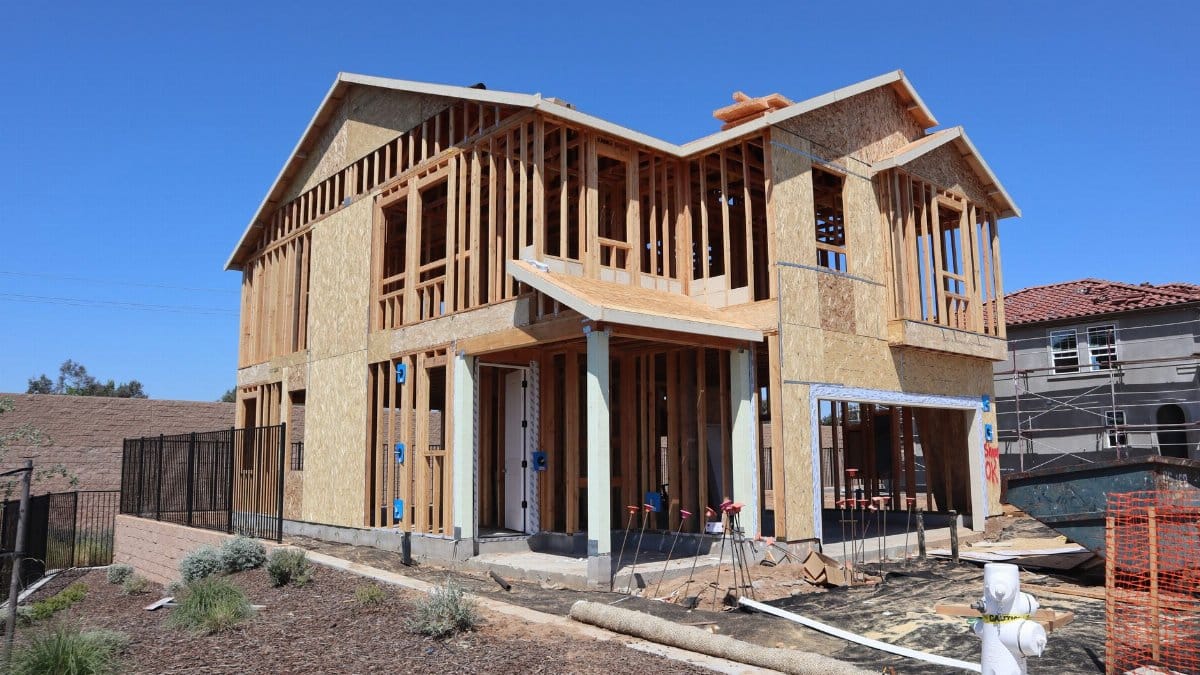
Higher costs tied to idle large parcels might encourage owners to sell portions or improve them in productive ways. This dynamic could gradually increase available space for new homes in regions facing shortages. Smaller landowners would face minimal added pressure because the measure would apply only above generous thresholds.
Revenue Projections and Budget Implications

Analysts estimate that a modest rate applied to high value holdings could yield billions annually for state programs. Those proceeds might support infrastructure or education initiatives without broad based increases that affect middle income households. Long term stability arises because land values tend to rise with population growth and economic activity.
Political Pathways in Sacramento

Lawmakers would need to craft legislation that withstands court scrutiny while building coalitions among urban and rural representatives. Public support often grows when voters see clear links between the tax and visible benefits such as improved roads or parks. Past efforts at wealth taxation stalled partly due to concerns over enforcement complexity.
Comparisons With Other States and Nations

Several countries apply annual charges based on land value with documented success in raising funds and shaping urban growth. American cities like Pittsburgh once used similar systems to discourage speculation and promote efficient use of space. California could adapt elements from these models to fit its unique coastal and agricultural landscapes.
Voices From Communities Near Large Estates

Residents in affected counties sometimes express frustration that expansive properties remain vacant much of the year while local services strain under rising costs. Others note that careful design of exemptions could protect working farms and open space vital to regional economies. Dialogue continues as details of any measure take shape.
Administrative Steps for Implementation

County assessors already track parcel boundaries and ownership transfers which simplifies rollout. Digital mapping tools further reduce errors and speed updates to values. Training programs for staff would remain modest compared with creating an entirely new valuation agency.
Long Term Outlook for Reform Efforts

As conversations evolve the California Billionaire Tax Land Wealth Tax Opinion may influence how future proposals balance fairness with feasibility. Lawmakers face pressure to address inequality while sustaining the economic vitality that draws residents and businesses alike. Focusing on land keeps the conversation grounded in assets that cannot vanish or be disguised through financial engineering.