
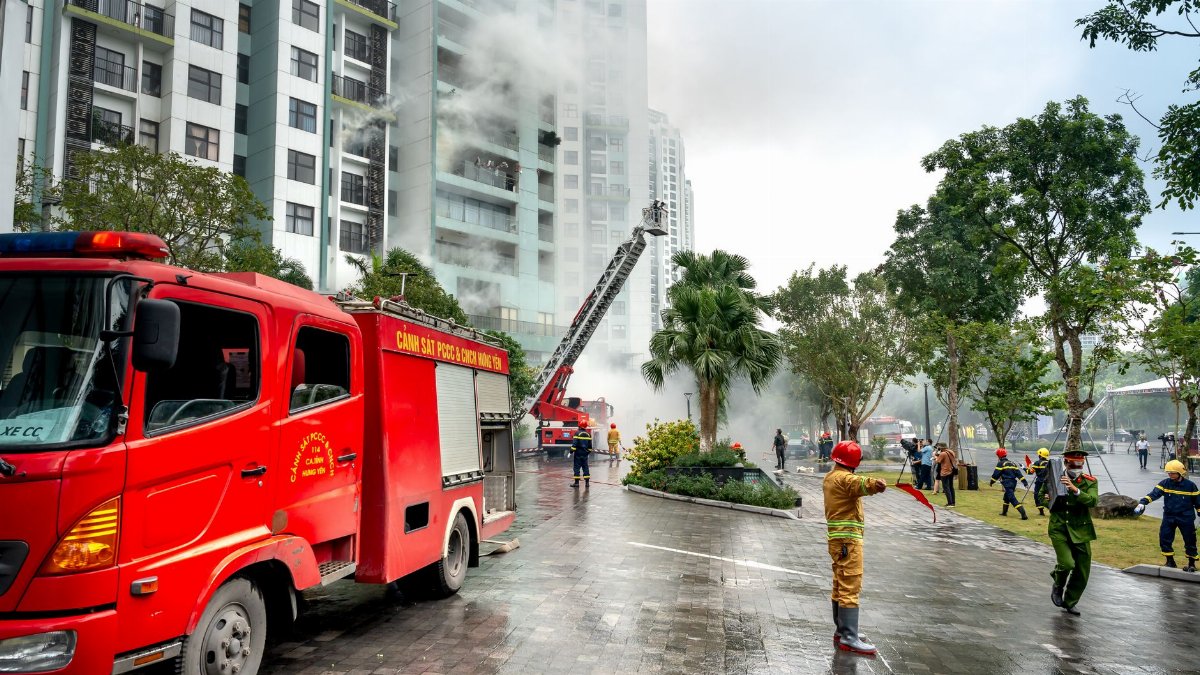
In the heart of Pierce County an unexpected blast tore through an apartment building late one evening in June of twenty twenty six. Dozens of residents poured into the streets as sirens filled the air and emergency teams established a perimeter. The Tacoma Apartment Explosion Evacuation unfolded with remarkable speed yet left many questions about how such an event could occur in a modern residential setting. Witnesses recalled a sharp jolt followed by smoke and the urgent voices of neighbors urging one another to move quickly. Local officials later confirmed that no serious injuries occurred but the disruption exposed ongoing concerns about building maintenance and emergency preparedness in growing urban areas.
The Sequence of Events Leading to the Blast
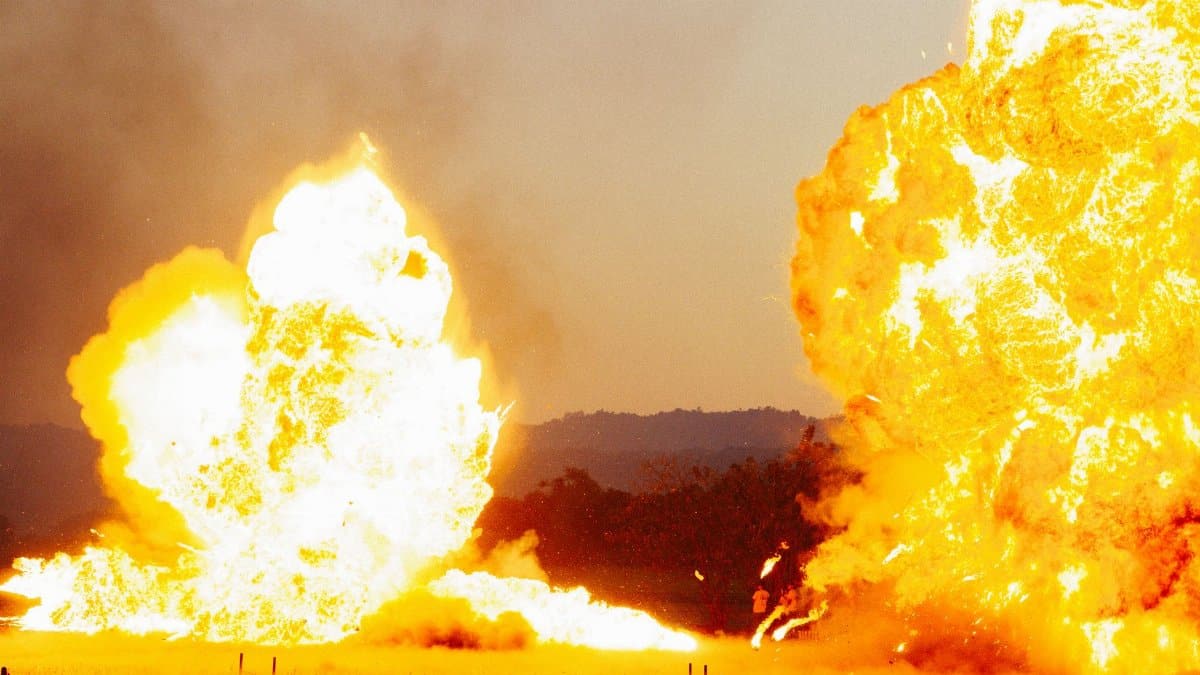
Residents described a normal evening that changed in an instant. One tenant on the third floor reported smelling gas earlier in the day but assumed maintenance had been notified. Minutes before the explosion another occupant heard a faint hissing sound near the utility room. When the blast hit windows shattered and doors swung open from the force. Fire crews arrived to find flames contained to a single unit yet the structural integrity of the building remained uncertain for hours.
Resident Experiences During the Evacuation
Many people inside the complex had only seconds to gather essentials before leaving. Families with children navigated dimly lit stairwells while others assisted elderly neighbors down multiple flights. One woman who lived alone said she grabbed her cat and a phone before joining the crowd outside. The scene remained orderly despite the shock with residents comforting one another as they waited for updates from authorities.
Role of Emergency Responders on Scene
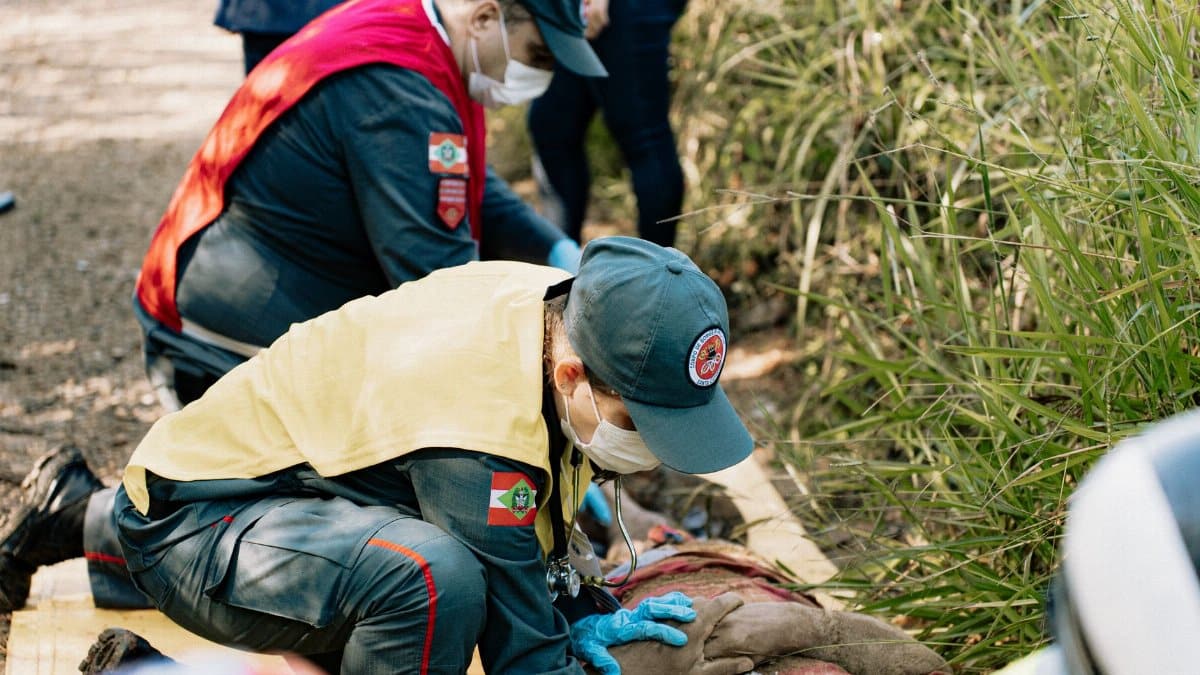
Pierce County fire and police units coordinated closely once the call came in. Hazmat specialists checked for additional gas leaks while paramedics stood ready near the cordon. Communication between agencies allowed for a systematic floor by floor search that confirmed everyone had exited safely. Officials praised the rapid turnout yet noted that traffic in the surrounding streets slowed the arrival of extra equipment by several minutes.
Examination of Possible Causes

Investigators focused first on the building utility systems as the likely origin point. Gas lines serving the structure underwent immediate testing while electrical panels received separate scrutiny. Preliminary reports ruled out arson yet left open the possibility of an undetected leak that accumulated over time. Experts from the state utility commission joined local teams to review maintenance records dating back several years.
Challenges Faced During the Evacuation Process

Although the response proved effective certain obstacles emerged. Narrow hallways made it difficult for larger families to move together. Some residents relied on cell phone flashlights when backup lighting failed after the blast. Language barriers also surfaced when newer arrivals to the community struggled to understand directions shouted over the noise of alarms and equipment.
Support Provided to Displaced Residents

The Red Cross opened a temporary shelter at a nearby community center within two hours. Volunteers distributed blankets water and snacks while caseworkers began collecting information on housing needs. Local hotels offered discounted rooms for those unable to stay with relatives. County officials said they would cover short term lodging costs for at least the first week.
Reactions from the Broader Tacoma Community

Nearby businesses closed early the following day out of respect and to allow streets to remain clear for crews. Neighbors from adjacent complexes brought donations of clothing and toiletries to the shelter. Social media posts from local groups expressed relief that injuries stayed minimal and called for a public meeting to discuss safety upgrades across similar buildings.
Review of Apartment Safety Standards
The incident prompted fresh attention to inspection schedules for older properties in the city. Advocates argued that more frequent checks of gas infrastructure could prevent future problems. City council members indicated they would consider new ordinances requiring annual third party reviews of utility systems in multifamily housing.
Next Steps in the Official Investigation

Authorities planned to release a detailed report within thirty days. In the meantime engineers continued to assess whether the building could reopen or would require extensive repairs. Residents received regular text updates from the management company about timelines and temporary housing options. The outcome of the review could influence policies for other apartment complexes statewide.