
In a development that caught many observers off guard Governor Ron DeSantis stepped away from active promotion of the DeSantis Property Tax Amendment Florida Ballot after state lawmakers altered core parts of the plan he had advanced earlier in the year. The June 29 2026 announcement signaled a notable cooling in enthusiasm from the governor who had once placed property tax relief at the center of his agenda for Florida families.
The Background of Property Tax Relief Efforts

Florida residents have faced steady increases in property assessments over the past decade driven by population growth and rising home values. Lawmakers have considered various forms of relief yet previous attempts produced only modest adjustments to homestead exemptions. DeSantis entered the discussion with a proposal designed to expand protections for longtime owners while limiting the burden on new buyers as well.
Legislative Changes to the Original Proposal
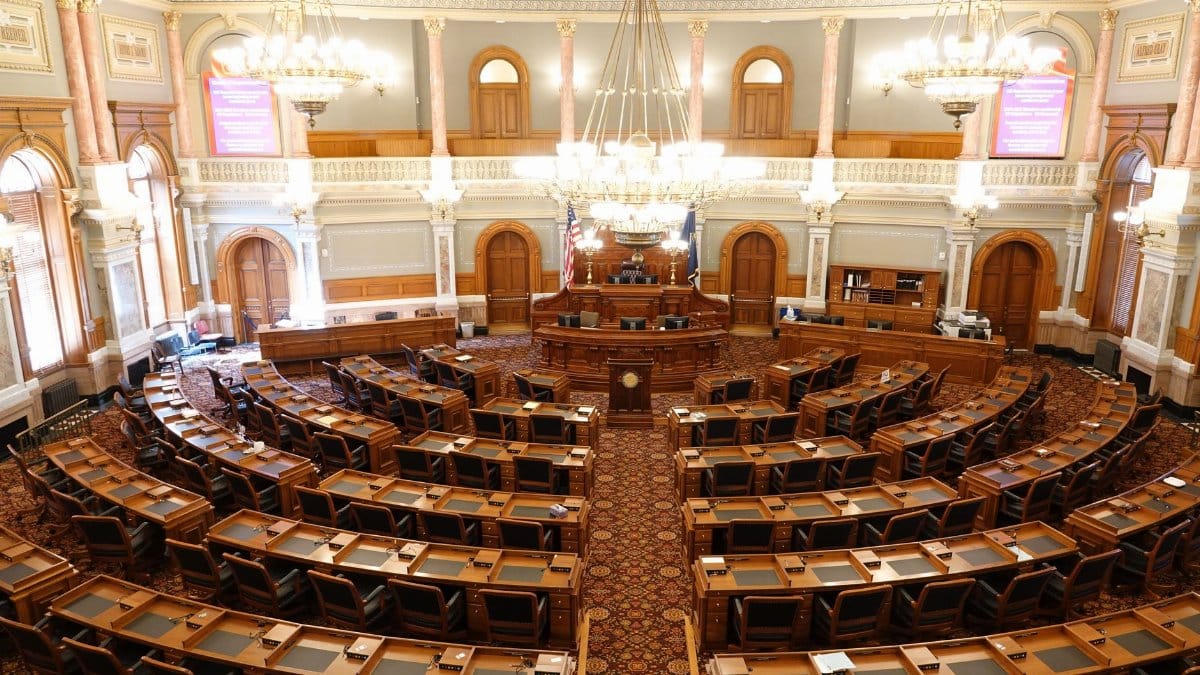
During the most recent session lawmakers revised several provisions including the scope of the homestead exemption and the timeline for implementation. These modifications shifted the measure away from the version DeSantis had outlined reducing the projected savings for certain households. The alterations also introduced new eligibility rules that narrowed the pool of beneficiaries compared with the governors initial framework.
DeSantis Response and Decision
DeSantis stated publicly that he would not lead campaign efforts for the revised measure citing differences between the final text and his original intent. He emphasized that his administration would continue to monitor property tax trends yet declined to invest personal political capital in promoting passage. Observers noted the measured tone of his remarks which avoided direct criticism of legislative leaders.
Effects on Florida Homeowners
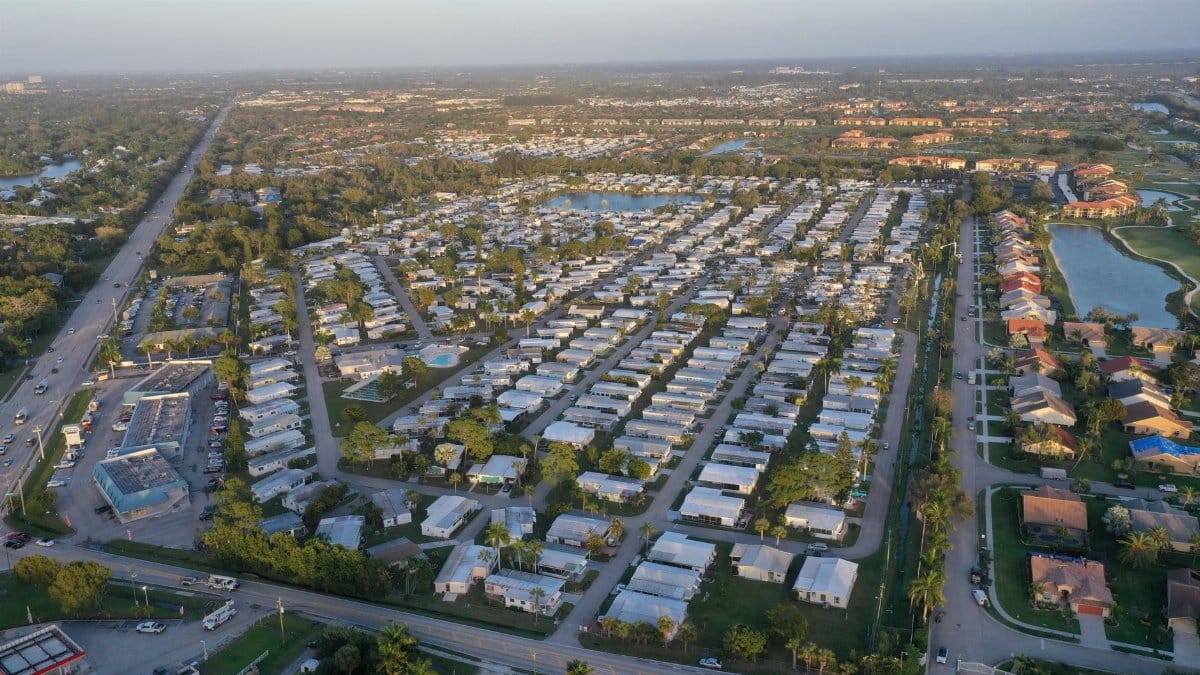
Under the altered language many longtime residents could still receive some reduction in their annual tax bills though the amounts would fall short of earlier projections. Newer homeowners in high growth areas might see limited or no immediate benefit depending on how local appraisers apply the updated exemption formulas. Advocacy groups have begun to calculate sample scenarios to illustrate the range of outcomes across different counties.
Political Implications for Upcoming Elections

The governors withdrawal from active campaigning leaves the measure without a high profile champion at a time when voter turnout could hinge on pocketbook issues. Republican primary candidates have already begun to address the topic in speeches while Democratic challengers question whether the revised amendment delivers meaningful change. The absence of organized support from the governors office may affect signature collection and advertising efforts in the months ahead.
Reactions from Lawmakers and Advocates

Legislative sponsors described the final version as a practical compromise that balanced fiscal concerns with the need for relief. Some advocacy organizations expressed disappointment that the changes reduced the overall impact yet others welcomed any progress after years of stalled proposals. Bipartisan support remains intact though enthusiasm levels vary by region and by the size of local tax bases.
Comparison with Previous Tax Measures
Earlier attempts at property tax reform in Florida often centered on caps rather than exemptions. Those measures produced predictable outcomes but left many residents seeking additional relief. The current proposal represents a hybrid approach that combines an expanded homestead benefit with targeted adjustments for seniors and veterans yet the legislative edits have tempered some of those innovations.
Potential Outcomes if the Amendment Passes

Passage would require approval by voters in the next general election. If successful the amendment would take effect gradually with full implementation stretched across several budget cycles. Local governments would need to adjust revenue forecasts and some counties have already begun preliminary modeling to anticipate shifts in their tax rolls.
Broader Economic Context in Florida
Property taxes represent a significant share of local revenue used to fund schools roads and emergency services. Any reduction in collections would require either spending cuts or alternative revenue sources such as increased sales taxes or impact fees. Economists continue to track migration patterns noting that tax burdens influence decisions by retirees and remote workers considering relocation to the state.
Future of Tax Policy Under Current Leadership

DeSantis has indicated that his administration will explore administrative actions to address rising assessments even without the amendment. Lawmakers have signaled openness to revisiting the issue in future sessions depending on voter response and economic conditions. The episode underscores the challenges of aligning executive priorities with legislative realities in a state where growth continues to drive demand for public services.