

A woman in her forties recently ended a promising relationship after reading online descriptions that labeled her partner as anxious avoidant. She acted on surface level interpretations rather than deeper understanding. Such decisions highlight Attachment Styles Myths that circulate widely in popular discussions about relationships and personal growth. These misconceptions often lead people to oversimplify complex emotional dynamics and apply quick judgments where patience might serve better.
Origins of Attachment Concepts in Research

Early studies on how infants bond with caregivers laid the groundwork for later adult applications. Researchers observed consistent patterns in separation and reunion behaviors. Over decades these observations expanded to romantic partnerships yet popular accounts frequently distort the original findings. A key paper from the 1980s by Hazan and Shaver connected childhood tendencies to adult intimacy styles without claiming rigid categories.
How Labels Shape Everyday Interactions

Once someone assigns an attachment descriptor during conflict the conversation can shift from mutual listening to defensive positioning. Partners may begin to expect certain reactions based on the label instead of responding to the present moment. This dynamic reinforces Attachment Styles Myths because it treats fluid emotional states as permanent traits. Couples who pause before labeling often report more productive exchanges.
Evidence Against Fixed Categories

Longitudinal data shows that many individuals move between patterns depending on life circumstances and supportive relationships. Therapy and stable partnerships have helped people develop greater security over time. Claims of unchanging types ignore this adaptability and fuel Attachment Styles Myths that discourage personal development. Readers can review detailed summaries at the original source link provided in related coverage.
Media Amplification of Simplified Ideas

Social platforms reward short explanations that fit into quick posts or videos. Complex research becomes reduced to quizzes that sort users into four boxes. Such formats overlook cultural and contextual influences on how people express closeness or independence. The result is widespread Attachment Styles Myths that travel faster than nuanced explanations from academic sources.
Gender Assumptions in Popular Descriptions
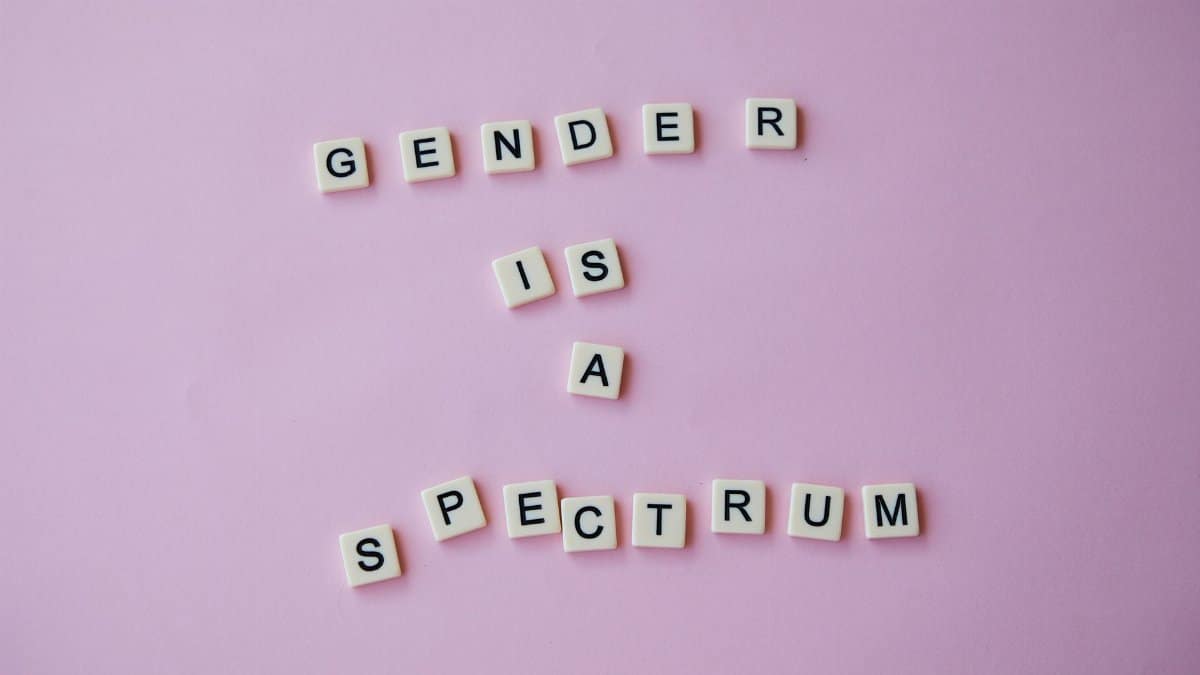
Descriptions sometimes tie certain styles more strongly to one gender which lacks consistent empirical backing across diverse populations. Men and women both exhibit the full range of patterns depending on upbringing and current stressors. Challenging these assumptions helps readers avoid projecting stereotypes onto their own experiences or those of others.
Practical Steps Beyond Labeling

Instead of diagnosing a partner individuals can focus on specific behaviors and their own responses. Noticing when one withdraws during stress or seeks reassurance allows targeted conversations. Professional guidance from therapists trained in relational patterns often proves more useful than self diagnosis through online checklists.
Cultural Variations in Connection Styles

Research conducted across different societies reveals that expressions of security or insecurity vary with local norms around family and autonomy. What appears avoidant in one context may read as respectful distance in another. Broad myths flatten these differences and limit cross cultural understanding in an increasingly connected world.
When Self Reflection Becomes Overthinking

Some readers report spending hours analyzing past relationships through an attachment lens. While awareness offers value excessive rumination can stall forward movement. Balanced approaches combine insight with action such as trying new communication habits or seeking feedback from trusted friends rather than endless online searches.
Future Directions for Relationship Education

Schools and community programs have begun incorporating evidence based discussions of relational patterns. These efforts aim to replace myth driven narratives with skills for emotional regulation and empathy. Continued collaboration between researchers and communicators will determine whether public understanding moves beyond Attachment Styles Myths toward more accurate and helpful frameworks.