
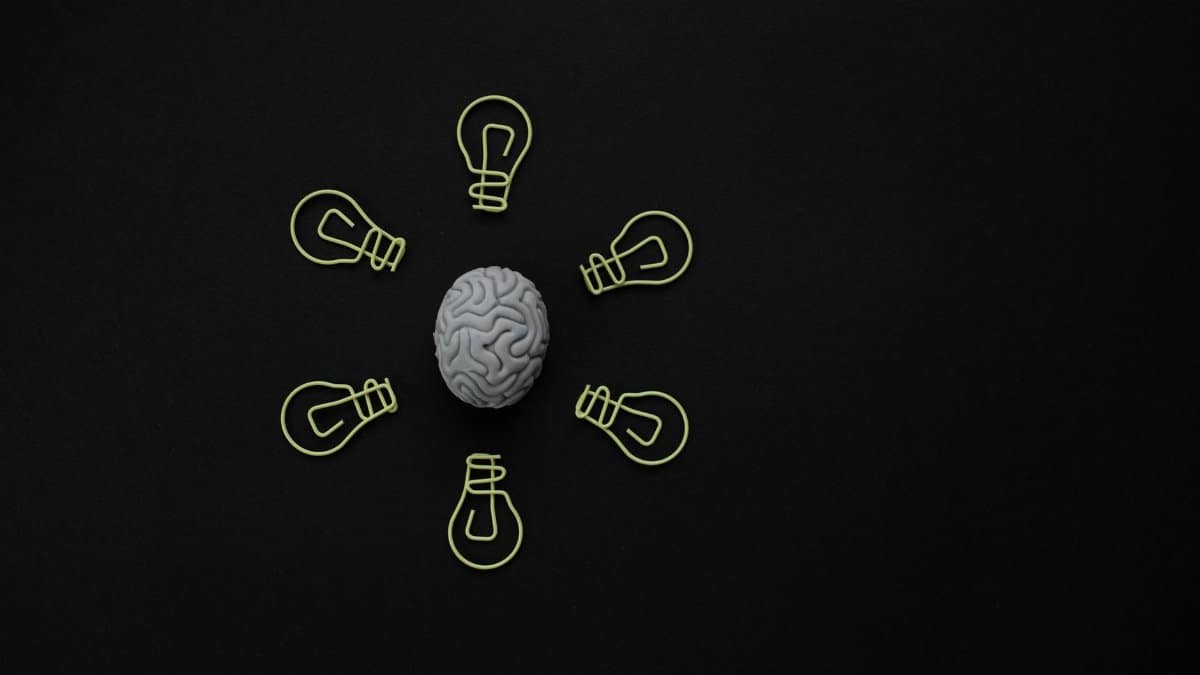
In a quiet laboratory researchers watched as a patient long trapped in a minimally conscious state suddenly responded to voices after targeted stimulation. Such moments have long hinted at hidden mechanisms deciding which signals reach awareness. The identification of Brain Structure Consciousness adds a concrete piece to this puzzle by showing how one region acts as a selective gate.
Tracing Early Ideas on Awareness
Philosophers and physicians once viewed consciousness as an indivisible whole seated somewhere in the cerebral cortex. Over time clinical observations of coma and vegetative states challenged that picture and pointed instead toward deeper structures that regulate information flow. These early clues set the stage for modern imaging work that could test specific pathways rather than broad cortical maps.
Methods Behind the Recent Advance

Teams combined high resolution scans with precise electrical recordings in both healthy volunteers and people recovering from injury. By comparing patterns during alert periods and during reduced awareness they isolated activity that consistently preceded conscious reports. The approach avoided broad assumptions and focused on timing and location of signals that cross into reportable experience.
Central Position of the Thalamus
Data converged on the thalamus as the structure whose firing patterns determine whether sensory input proceeds further. When this relay station showed coordinated bursts patients described perceptions they had previously missed. When coordination broke down the same inputs produced no report even though lower pathways remained intact.
Filtering as an Active Process

Rather than simply passing messages onward the thalamus appears to suppress or amplify signals according to context and internal state. This selection explains why loud noises sometimes go unnoticed during deep concentration yet faint cues can break through when expectations shift. The mechanism therefore operates less like a passive conduit and more like a dynamic editor.
Links to Recovery After Injury
In several documented cases restoring thalamic rhythms through gentle stimulation coincided with renewed responsiveness. Families described sudden returns of eye contact and simple commands after months of silence. While not every patient responds the pattern suggests new therapeutic targets beyond traditional cortical rehabilitation.
Comparisons Across Species

Similar thalamic organization appears in primates and even some rodents suggesting the filtering role developed early in mammalian evolution. Researchers note that species with larger thalamic nuclei relative to body size often display more flexible attention which aligns with the human data. Such conservation offers a wider window for testing ideas that cannot be examined directly in people.
Questions for Philosophy and Ethics

If a single structure governs entry into awareness then debates about moral status in brain injured patients gain new empirical footing. Decisions about life support or pain management may eventually reference measurable thalamic integrity rather than solely behavioral scales. These possibilities remain distant yet they illustrate how neural findings can intersect with longstanding value questions.
Next Steps in Research

Planned trials will test whether training or pharmacology can strengthen thalamic coordination in at risk groups. Parallel work in animal models aims to map the molecular signals that sustain the observed rhythms. Together these efforts could move from description to intervention within the coming decade.
Public Understanding and Caution
Media coverage sometimes presents any new brain finding as the definitive seat of the self. The current work instead frames Brain Structure Consciousness as one necessary component within a larger network. Maintaining that distinction helps readers appreciate both the advance and its boundaries without inflating expectations.