
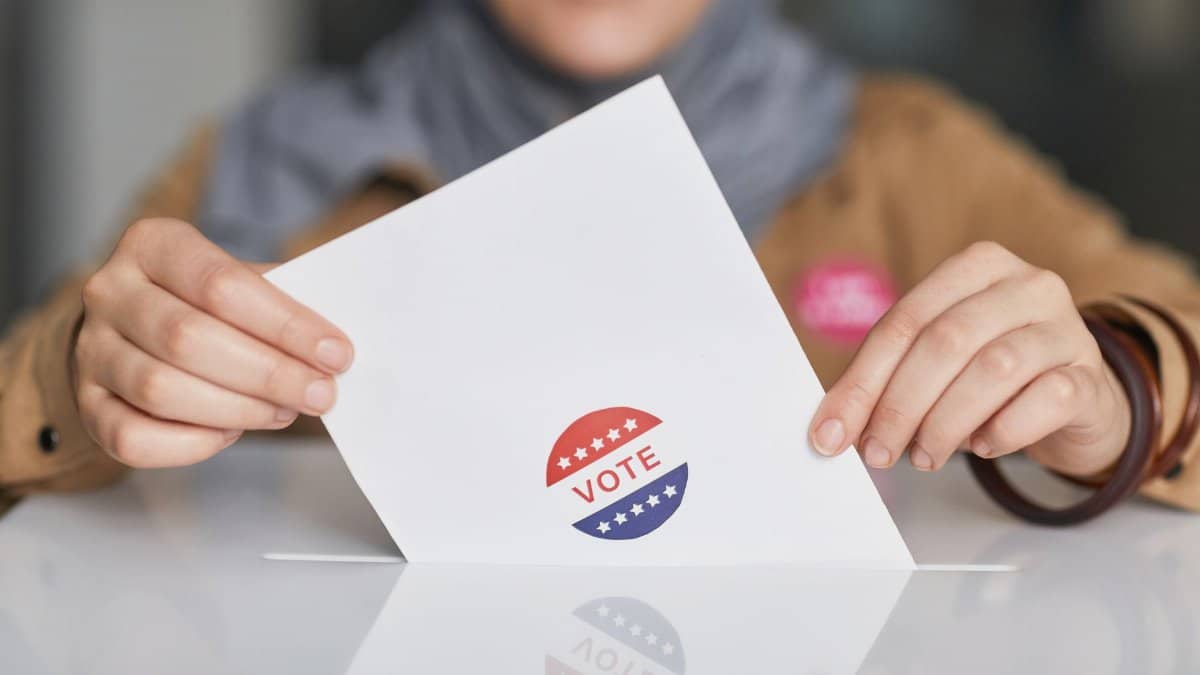
Voters trickled into polling stations across Maryland on a humid June morning, their choices shaping contests for Congress and local leadership in ways that could ripple through the fall campaign season. The Maryland Primary Election 2026 Results reflected modest participation and several close finishes that left party strategists studying precinct maps late into the night.
Early Voting Patterns Shape Final Outcomes
Participation through early ballots reached notable levels in suburban counties, where residents cited convenience as a key factor. Urban centers saw steadier foot traffic on primary day itself, with lines forming at community centers in Baltimore and Prince Georges County. Observers noted that older voters dominated the early pool, while younger cohorts appeared in greater numbers only after work hours ended.
Congressional Districts Draw Close Scrutiny
Several House races featured tight margins that required updated tallies well after polls closed. Incumbents faced challengers who focused on local economic concerns and infrastructure needs. One contest in the central part of the state remained undecided for hours as mail ballots underwent verification.
County Executive Positions Reflect Local Priorities
Candidates for county executive roles emphasized education funding and public safety improvements. In Montgomery County the leading contender highlighted transit expansions, while in Anne Arundel County the focus turned to waterfront development plans. These races often hinge on neighborhood specific issues rather than statewide themes.
State Legislative Seats See Fresh Contenders
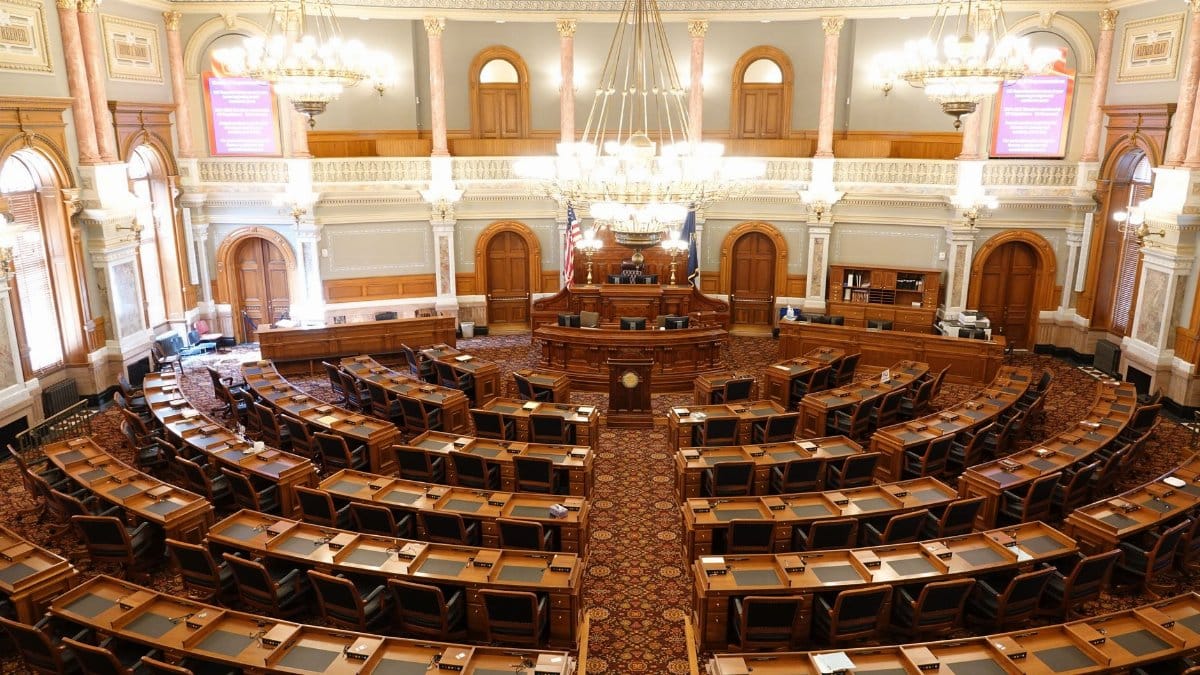
Open seats in the General Assembly attracted a diverse group of candidates, including several community advocates and former municipal officials. Districts in western Maryland featured contests centered on agricultural support, whereas eastern shore races touched on tourism recovery and environmental protections.
Turnout Figures Reveal Regional Differences

Overall participation hovered below historical averages for a primary, prompting discussions about voter engagement strategies. Rural areas posted slightly higher rates than expected, possibly tied to specific local ballot questions. City precincts showed variability depending on the presence of high profile school board measures.
Ballot Questions Influence Participation

Several jurisdictions placed bond measures and charter amendments before voters, drawing attention to topics such as library expansions and park maintenance. These items appeared to boost interest in certain precincts, though analysts cautioned against assuming they altered broader candidate preferences.
Party Leaders Assess Performance Metrics
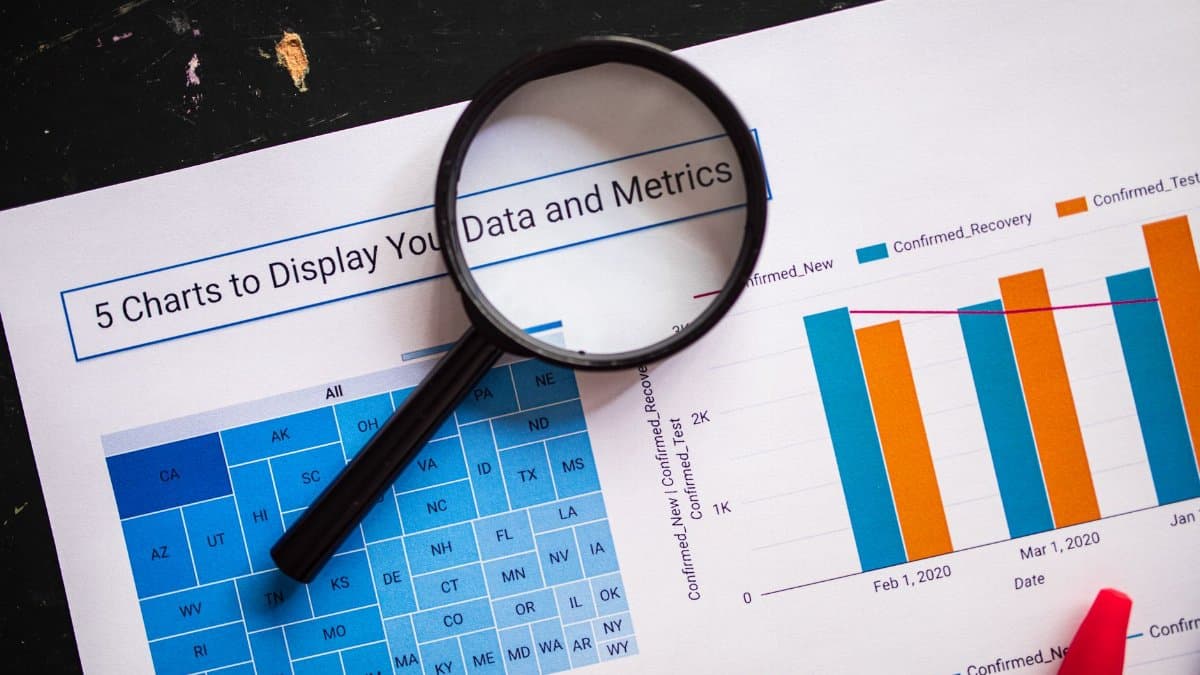
Democratic and Republican officials alike reviewed the Maryland Primary Election 2026 Results for signals about November prospects. Internal memos circulated among consultants highlighted strengths in fundraising and volunteer recruitment. Both parties noted the need for targeted outreach in swing precincts identified during the primary count.
Media Coverage Highlights Key Moments
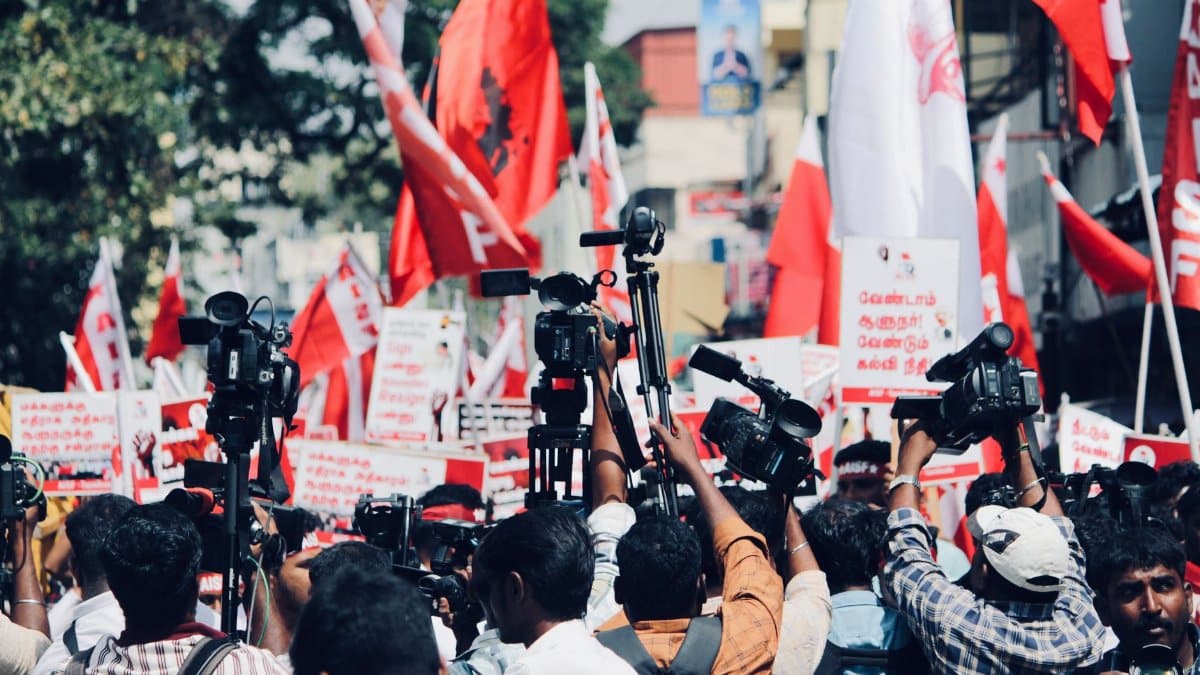
Local outlets provided live updates throughout the evening, featuring interviews with candidates and election administrators. National attention remained limited, yet several wire services picked up stories on the closer legislative finishes. Social media commentary focused on wait times and the availability of sample ballots.
Future Implications for Fall Campaigns

Winners now turn to assembling general election coalitions, often reaching across party lines on shared local goals. Fundraising reports due in coming weeks will indicate which candidates carry momentum from their primary showings. Observers expect advertising to increase once the field narrows.