
Many consumers face mounting pressures from convenient credit options that promise simplicity but deliver unexpected burdens. A typical shopper might select several items online only to discover that deferred payments accumulate faster than anticipated, creating ongoing obligations. This pattern reflects the broader issue of Buy Now Pay Later Debt, which has drawn attention from financial experts and mental health professionals alike. Recent data from the American Psychological Association highlights how digital payment tools intensify feelings of stress among users who juggle multiple accounts. The convenience appeals to middle aged households managing everyday expenses, yet the hidden costs in interest and fees often surprise those involved. Observers note that such arrangements differ from conventional loans because they require less immediate paperwork, lowering barriers for impulse decisions. Over time these choices contribute to a sense of financial unease that extends into daily life and personal relationships.
Expansion of Digital Payment Options

Services offering split payments have grown rapidly in popularity across retail platforms. Shoppers appreciate the ability to receive goods without full upfront costs, which suits variable income situations common in many American families. Analysts point out that adoption rates climbed steadily after the pandemic shifted more activity online. This growth stems from partnerships between retailers and fintech companies eager to capture market share. Users often report initial satisfaction with the structure until multiple plans overlap and create repayment challenges.
Links to Heightened Mental Strain

Financial obligations tied to these plans correlate with increased anxiety levels according to studies from the American Psychological Association. Participants described persistent worry about upcoming due dates that disrupt sleep and concentration. The digital nature of reminders adds a layer of constant visibility, making it difficult to set aside concerns during leisure time. Mental health impacts appear more pronounced among those already navigating other economic uncertainties such as housing costs or medical bills.
Comparison With Traditional Credit Cards
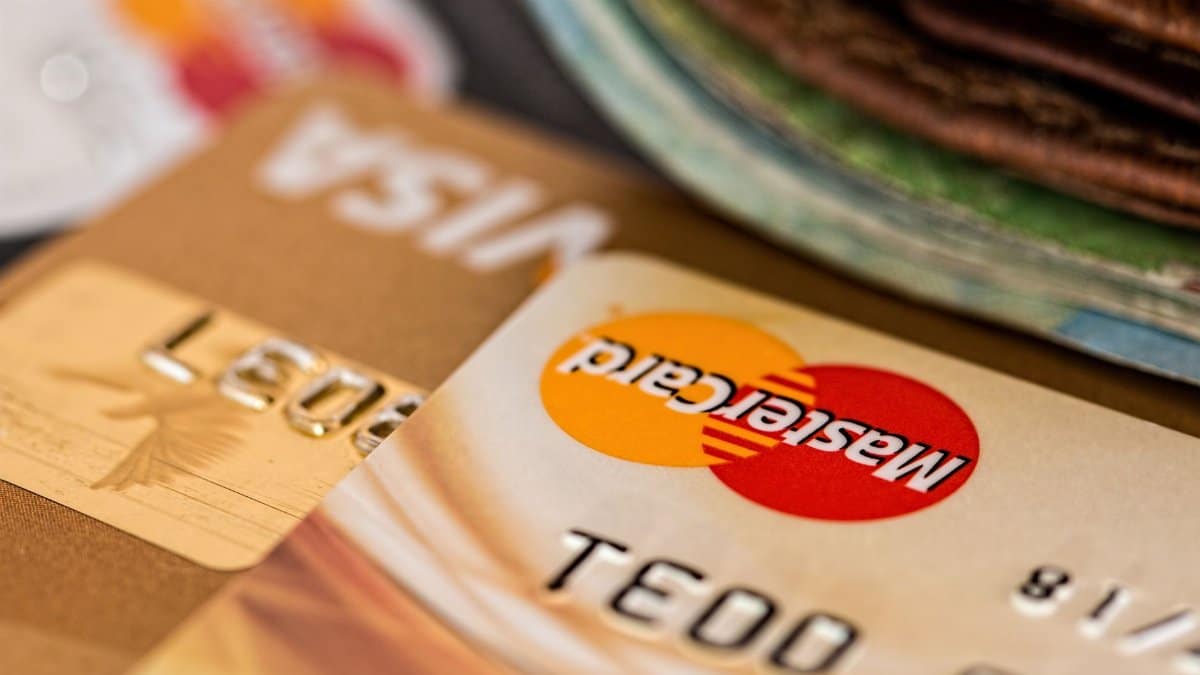
Unlike credit cards that impose a single interest rate after a grace period, buy now pay later arrangements frequently attach fees to missed installments. This structure can result in higher effective costs for users who overlook terms. Credit cards also provide consumer protections under federal law that some newer services lack. Experts suggest the fragmented nature of multiple short agreements makes overall debt harder to track than a consolidated balance.
Demographics Most Affected

Data indicates younger adults and those with moderate incomes represent a large share of users. Many enter these agreements seeking to manage limited cash flow during periods of transition such as job changes or family expansions. Older consumers occasionally participate as well when seeking to finance larger purchases like appliances. The common thread involves a desire for flexibility that traditional lending sometimes restricts through stricter qualification standards.
Regulatory Developments Underway

Lawmakers have begun examining oversight measures to address transparency in fee disclosures and marketing practices. Proposed rules would require clearer explanations of total repayment amounts before purchase confirmation. Consumer protection agencies emphasize the need for education campaigns that inform potential users about risks. Industry representatives argue that excessive regulation could limit access for those who benefit from the options.
Long Term Effects on Household Finances

Repeated use of deferred payment plans can erode savings capacity over several years. Individuals may delay contributions to retirement accounts or emergency funds while meeting installment deadlines. This pattern creates a cycle where future flexibility diminishes because resources remain committed to past purchases. Financial planners recommend periodic reviews of all active agreements to assess cumulative impact.
Role of Retailer Incentives

Merchants promote these services through discounts or rewards that encourage selection at checkout. Such tactics increase transaction volumes yet shift responsibility for collections to third party providers. Some retailers receive compensation for each plan initiated, aligning their interests with volume rather than consumer outcomes. Observers suggest this dynamic contributes to widespread promotion without full discussion of repayment realities.
Strategies for Managing Obligations

Individuals seeking to reduce exposure can consolidate payments where possible or negotiate extensions directly with providers. Tracking all active plans in a single spreadsheet helps maintain awareness of due dates and total balances. Consulting nonprofit credit counselors offers guidance tailored to specific circumstances without promoting additional borrowing. Building habits around full payment at purchase time gradually restores a sense of control.
Broader Economic Context

The prevalence of buy now pay later debt reflects wider trends in consumer spending amid fluctuating economic conditions. Inflationary pressures on essentials prompt some households to spread costs across months. Policymakers monitor these patterns as indicators of overall financial health within the population. Continued research from sources such as the American Psychological Association will likely inform future discussions on sustainable credit practices.