
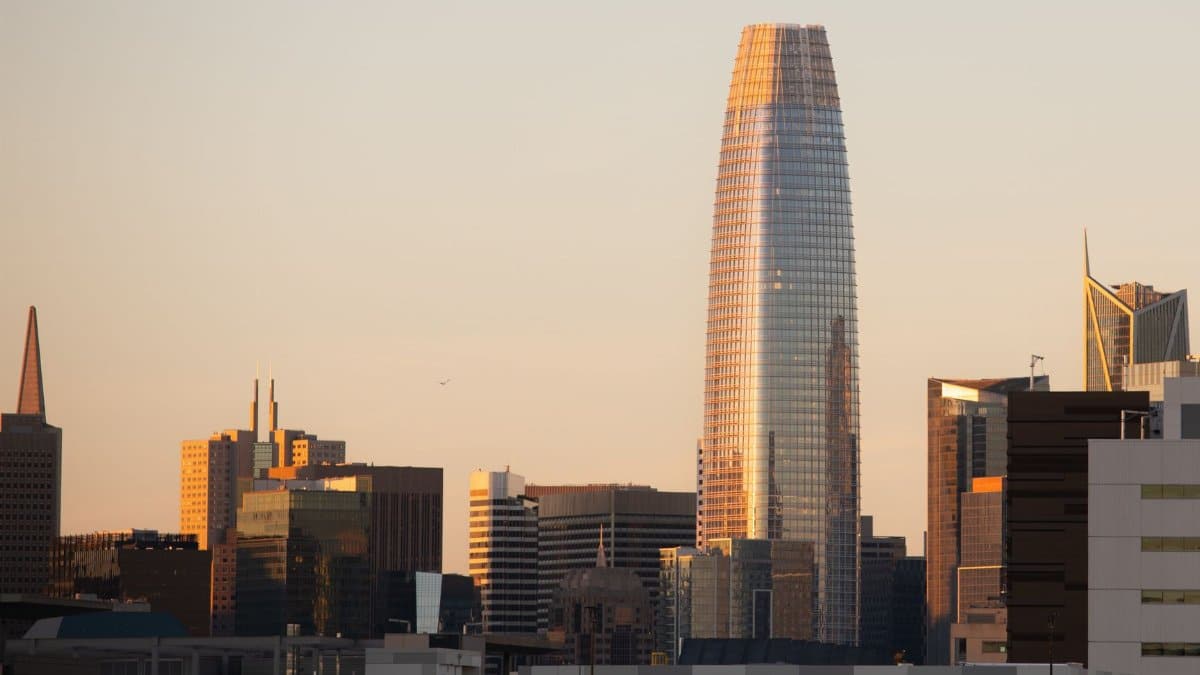
In the bustling corridors of innovation where laboratory benches meet lines of code a singular edifice has drawn together minds from disparate domains. This place known as the San Francisco Biotech AI Tower has quietly become a nexus for those seeking to merge biological discovery with computational power creating an ecosystem that defies traditional boundaries of industry and academia. Middle aged professionals in lab coats and startup hoodies share elevators discussing everything from protein folding models to ethical frameworks for new algorithms. The result is a daily cross pollination that accelerates projects once thought to require years of isolated effort.
Origins of the Tower Conversion
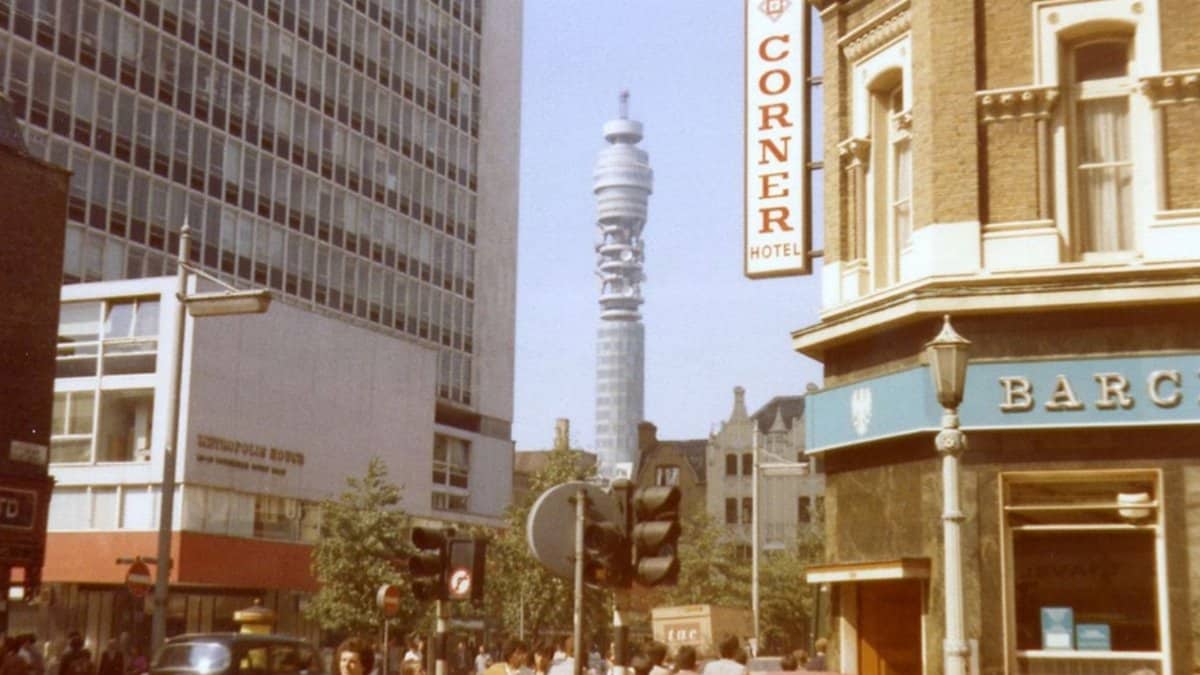
The building began its life as standard office space in a downtown district. Over time owners recognized shifting market needs and reconfigured floors to include wet labs alongside open workspaces. This adaptation allowed small teams to secure leases without the overhead of constructing dedicated facilities from scratch. Early occupants included university spinouts focused on gene editing tools and software groups specializing in data visualization for medical records.
Daily Interactions Among Occupants
Residents report spontaneous conversations in common areas that lead to joint grant proposals. One group working on cellular imaging partnered with another developing predictive models for disease progression after a chance meeting near the coffee station. Such encounters highlight how physical proximity can compress timelines for collaborative research in ways remote setups rarely match.
Role of Shared Resources
Central to operations are facilities like high throughput sequencers and cloud computing clusters available on a reservation basis. These shared assets lower entry barriers for newer ventures that might otherwise struggle with capital costs. Management maintains usage logs to ensure equitable access and offers training sessions for those new to the equipment.
Challenges in Regulatory Navigation
Occupants frequently discuss hurdles posed by evolving rules around data privacy and biological materials. Legal advisors on site host monthly briefings to clarify compliance steps for projects involving human samples or sensitive health information. This guidance proves valuable for teams balancing rapid iteration with oversight requirements from federal agencies.
Community Building Efforts
Beyond work the tower hosts occasional evening talks featuring speakers from nearby universities. Topics range from advances in synthetic biology to implications of automation in drug discovery. Attendance draws not only tower based teams but also external guests fostering wider networks across the region.
Future Expansion Plans
Developers have outlined additions to include more residential units for those relocating from other cities. Early sketches suggest integrated green spaces on upper levels to support wellness amid demanding schedules. These features aim to attract talent seeking both professional stimulation and livable surroundings.
Impact on Local Economy
The concentration of activity has spurred nearby businesses from equipment suppliers to catering services. Employment data from the area shows growth in support roles tied to the tower ecosystem. City planners note this cluster effect as a model for other districts considering similar mixed use conversions.