
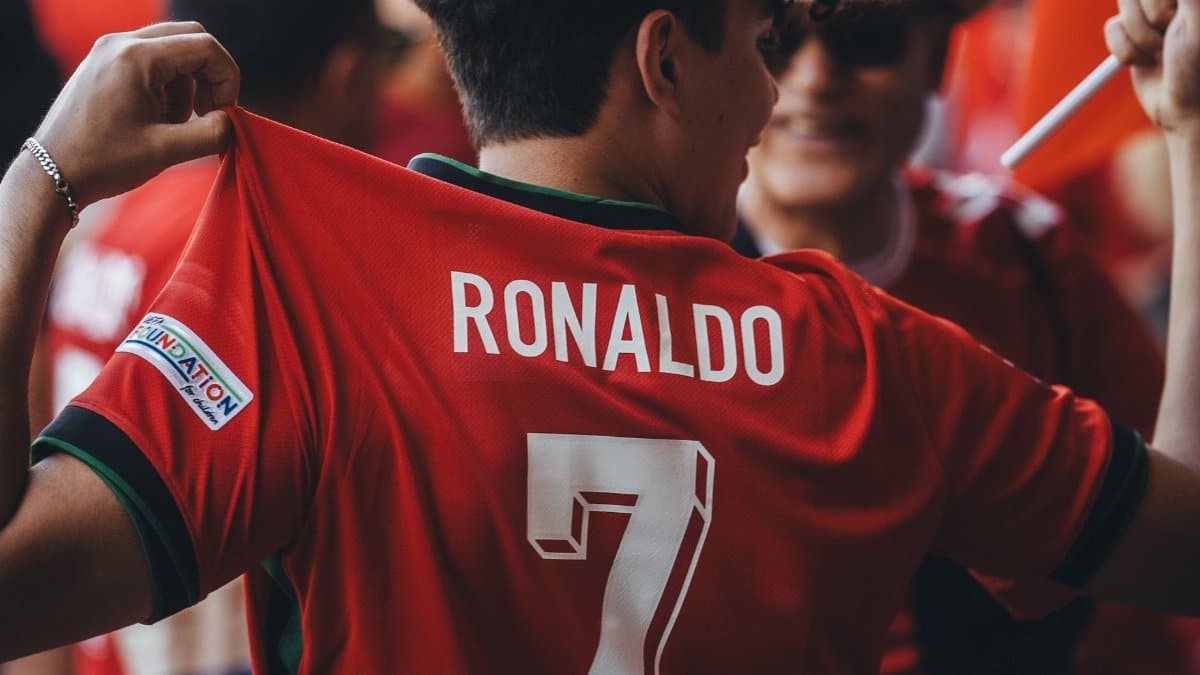
In living rooms and sports bars across the country, conversations about football excellence often reveal unexpected layers of personal belief. The rivalry between two global icons has evolved beyond the pitch, turning into a lens for examining how Americans form attachments and judgments. Messi Ronaldo Psychology emerges here as a subtle indicator of broader attitudes toward success, humility and ambition. Observers note that choices in this arena rarely stay confined to sport alone.
Early Roots of Fan Attachments

Preferences for one athlete over another frequently trace back to childhood exposures and family influences. Those drawn to one style may recall watching underdog stories unfold on television during formative years. Such early imprints shape lasting loyalties that persist into adulthood. Research from sports sociology departments indicates these bonds strengthen through repeated viewings and shared community experiences.
Personality Patterns in Supporter Groups
Data collected from surveys of American viewers point to distinct trait clusters among each camp. One side tends to value consistent teamwork and quiet execution over individual flair. The other group often highlights relentless drive and visible markers of achievement. Messi Ronaldo Psychology helps frame these differences without reducing them to simple stereotypes.
Political Leanings and Athlete Choices
Recent polling connects supporter leanings to views on governance and social structures. Individuals favoring collective harmony in play sometimes align with progressive policy preferences. Those emphasizing personal records and records broken may lean toward traditional metrics of merit. The original analysis from psychologies.co.uk explored these overlaps through targeted questions on voting patterns and economic outlooks.
Cultural Signals in Media Consumption
How fans discuss matches on social platforms mirrors wider debates about recognition and fairness. Narratives around one player stress background and adaptation to new environments. Stories about the other focus on discipline and long term planning. These framing choices influence how broader audiences interpret success stories in business and public life.
Identity Formation Through Sports Heroes

Selecting a favorite athlete contributes to self concept in subtle ways. Supporters may adopt mannerisms or philosophies associated with their chosen figure. This process strengthens during major tournaments when national attention peaks. Messi Ronaldo Psychology illustrates the mechanism by which distant figures become proxies for personal aspirations.
Regional Variations Across States

Geographic patterns show uneven distribution of preferences. Urban centers with diverse populations display more balanced splits. Rural areas sometimes cluster around narratives of self made accomplishment. These divides echo historical settlement patterns and economic histories within different parts of the nation.
Psychological Mechanisms at Work

Cognitive biases play a role in maintaining firm positions despite new evidence on the field. Confirmation tendencies lead fans to highlight favorable moments while minimizing contrary ones. Group reinforcement through online communities solidifies initial leanings. Understanding Messi Ronaldo Psychology requires acknowledging these universal mental shortcuts.
Implications for Broader Social Discourse
The intensity surrounding this topic suggests deeper currents in how Americans process competition. Lessons from fan dynamics could inform discussions in workplaces and political arenas. Both sides claim moral high ground based on differing definitions of greatness. Continued observation may yield insights applicable beyond athletics.
Future Directions for Study

Longitudinal tracking of supporter attitudes could reveal shifts tied to life events or generational turnover. Cross cultural comparisons with audiences in Europe and South America would add valuable context. As new talents emerge, established patterns may evolve or fracture along unexpected lines.