
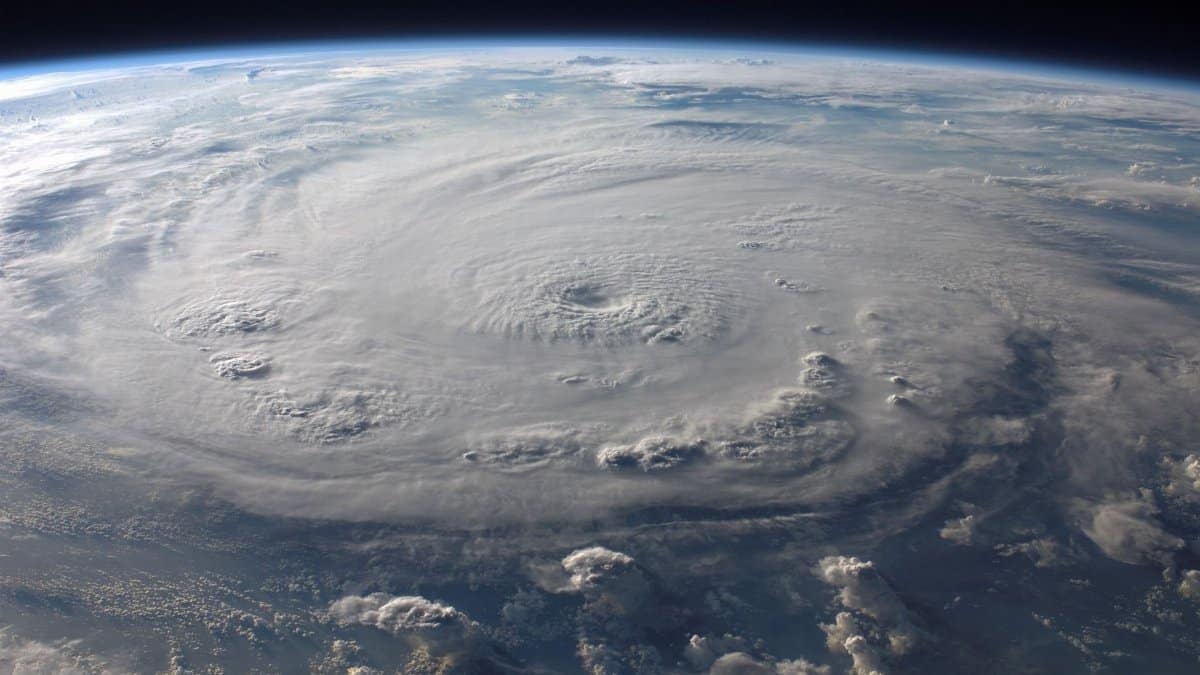
Recent observations of unusually warm waters across the Gulf of Mexico point to the possibility that Early Hurricane Season 2026 could begin weeks ahead of the official June start. Forecasters note that sea surface readings remain several degrees above long term averages, creating conditions that often favor rapid storm development. Coastal communities from Texas to Florida watch these trends closely as memories of past early season events linger. The pattern raises questions about how shifting ocean dynamics might alter familiar routines for residents and businesses alike.
Conditions in the Gulf of Mexico

Elevated temperatures in the Gulf act as a primary energy source for tropical systems. Meteorologists track these readings daily through satellite data and buoy networks. When surface waters exceed typical thresholds the atmosphere above becomes more unstable. This instability can accelerate the transition from scattered showers to organized circulation. Experts at regional centers emphasize that such warmth has persisted into late spring this year.
Comparison With Past Seasons

Records show several instances when similar warmth preceded active periods. In those years the first named storm formed by early June more often than not. Analysts review decades of data to identify parallels with current readings. While each season carries unique variables the temperature signal stands out as a consistent indicator. Such comparisons help refine expectations without guaranteeing outcomes.
Forecast Models and Their Limits

Computer simulations incorporate ocean heat content alongside wind patterns and atmospheric moisture. Outputs from multiple agencies suggest an elevated chance for early development. Yet models carry inherent uncertainties especially when projecting weeks ahead. Small changes in steering currents can shift storm tracks dramatically. Forecasters therefore update guidance frequently as new observations arrive.
Impacts on Coastal Populations
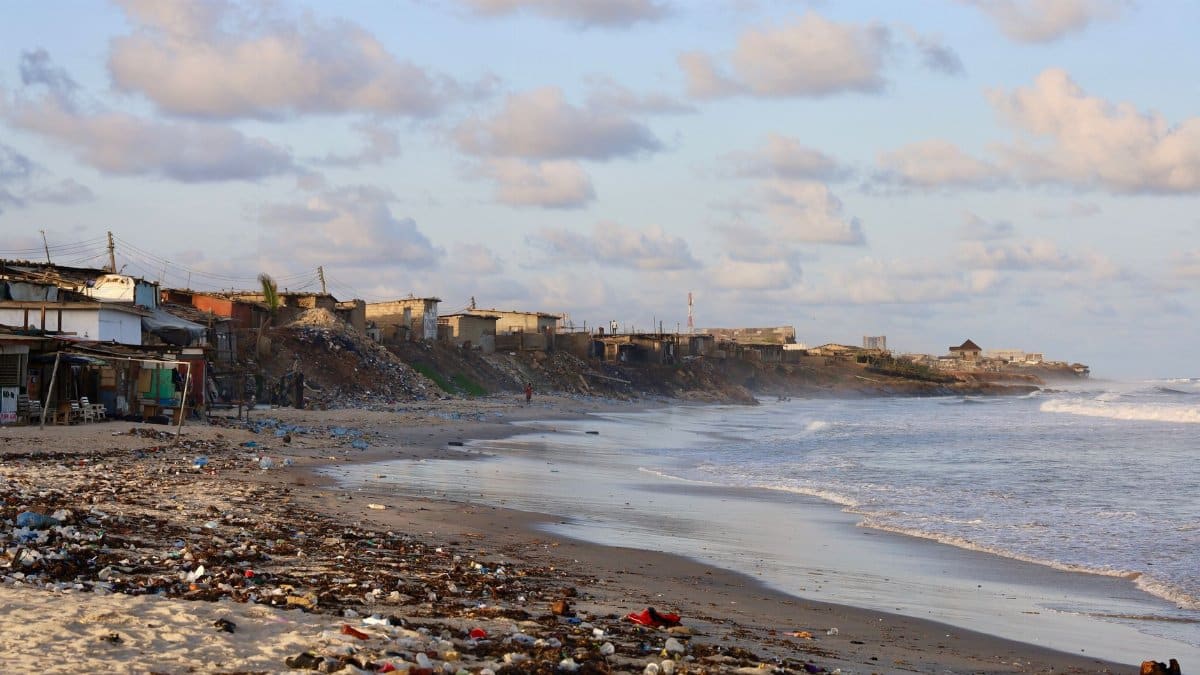
An early start would compress the window for preparations among shoreline residents. Evacuation routes and shelter capacities face added strain if multiple systems arrive in quick succession. Local governments review emergency plans with these possibilities in mind. Insurance providers also adjust risk assessments based on the evolving outlook. Communities weigh these factors when deciding on property upgrades or relocation.
Economic Considerations for the Region
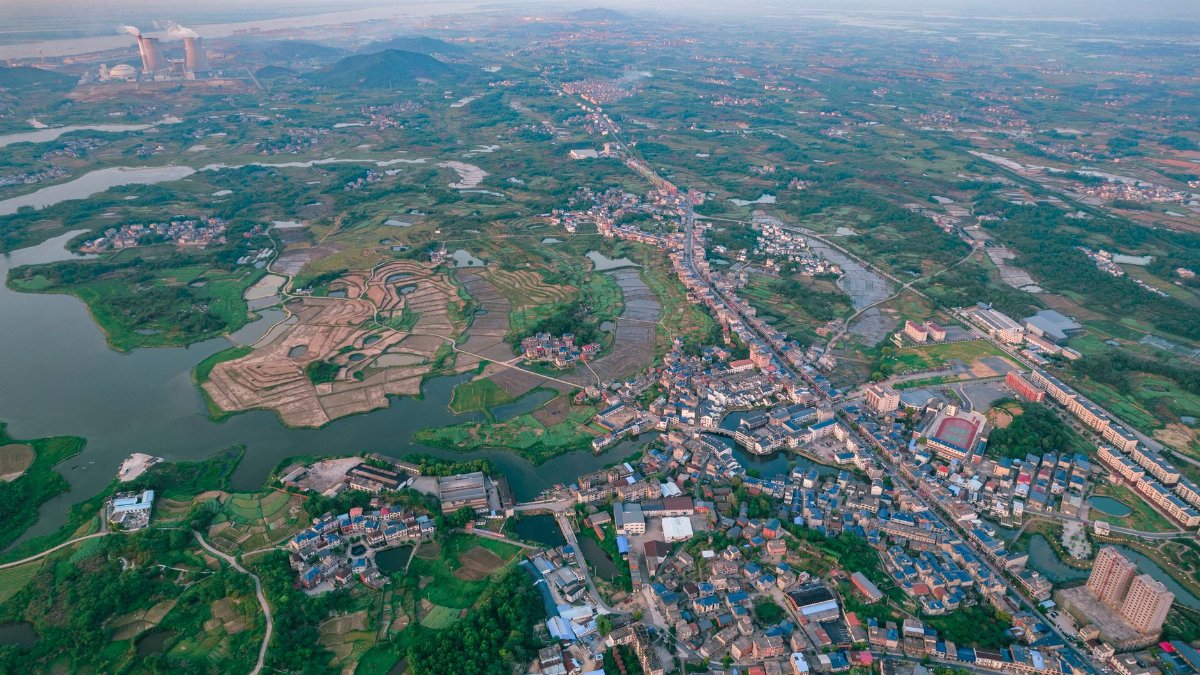
Ports and energy facilities along the Gulf coast operate under heightened awareness during active periods. Disruptions from even a modest storm can ripple through supply chains for weeks. Tourism operators monitor forecasts to adjust bookings and staffing. Agriculture in inland areas may experience indirect effects through altered rainfall. Overall the financial stakes remain substantial for the broader economy.
Role of Broader Climate Patterns
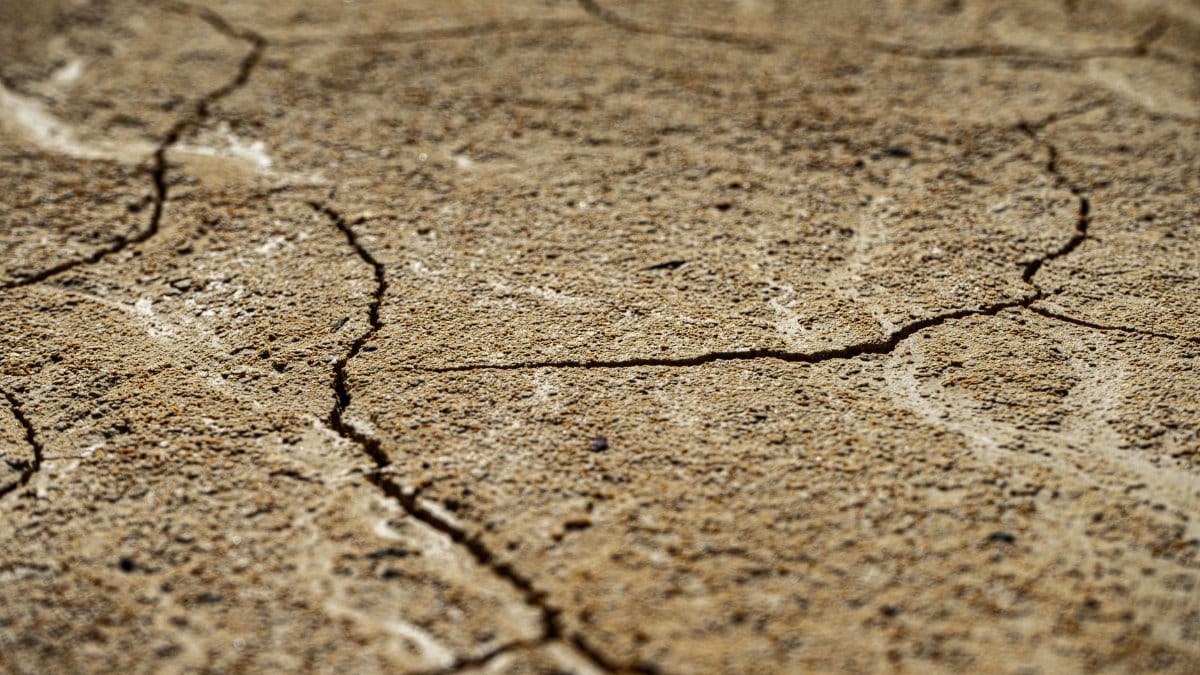
Large scale oscillations such as the El Nino Southern Oscillation influence Atlantic basin activity. Current neutral conditions leave room for regional factors like Gulf warmth to dominate. Researchers examine how these interactions evolve over months. The combination can either suppress or enhance storm formation depending on timing. Ongoing monitoring provides clearer signals as summer approaches.
Steps for Individual Readiness

Households benefit from reviewing supply kits and communication plans well before any threat materializes. Local weather alerts offer timely updates through multiple channels. Participation in community drills builds familiarity with response procedures. Property owners check drainage systems and secure outdoor items that could become projectiles. Consistent attention to these details reduces vulnerability.
Looking Ahead to June and Beyond

Attention now turns to whether the warmth will sustain through the coming weeks. Additional data from aircraft reconnaissance and ocean gliders will refine projections. Public discussions focus on balancing awareness with measured responses. Early Hurricane Season 2026 serves as a reminder that vigilance remains essential even as calendars turn to summer. Continued observation will determine how the season unfolds in practice.