
High summer temperatures do more than wilt gardens and strain power grids. They also appear to dull the mind in ways that researchers are only beginning to quantify. One emerging concern is Heat Cognitive Impairment, a pattern in which sustained heat exposure reduces memory accuracy, slows attention, and weakens complex decision making.
Early Observations From City Sidewalks

Emergency room logs in several large American cities show a recurring spike in visits for confusion and disorientation once daytime highs exceed 90 degrees for more than two days. Physicians note that many patients have no prior neurological diagnosis, suggesting that heat itself may be sufficient to trigger measurable short term deficits.
Core Findings From Controlled Studies

A recent review published in Psychology Today examined how participants performed on standardized cognitive batteries inside climate controlled chambers set at different temperatures. Performance on memory recall and logical reasoning tasks declined steadily once ambient temperatures passed 82 degrees, even when hydration and sleep were held constant. The authors link these results to Heat Cognitive Impairment and caution that the effect appears within hours rather than days.
How The Brain Responds To Thermal Stress

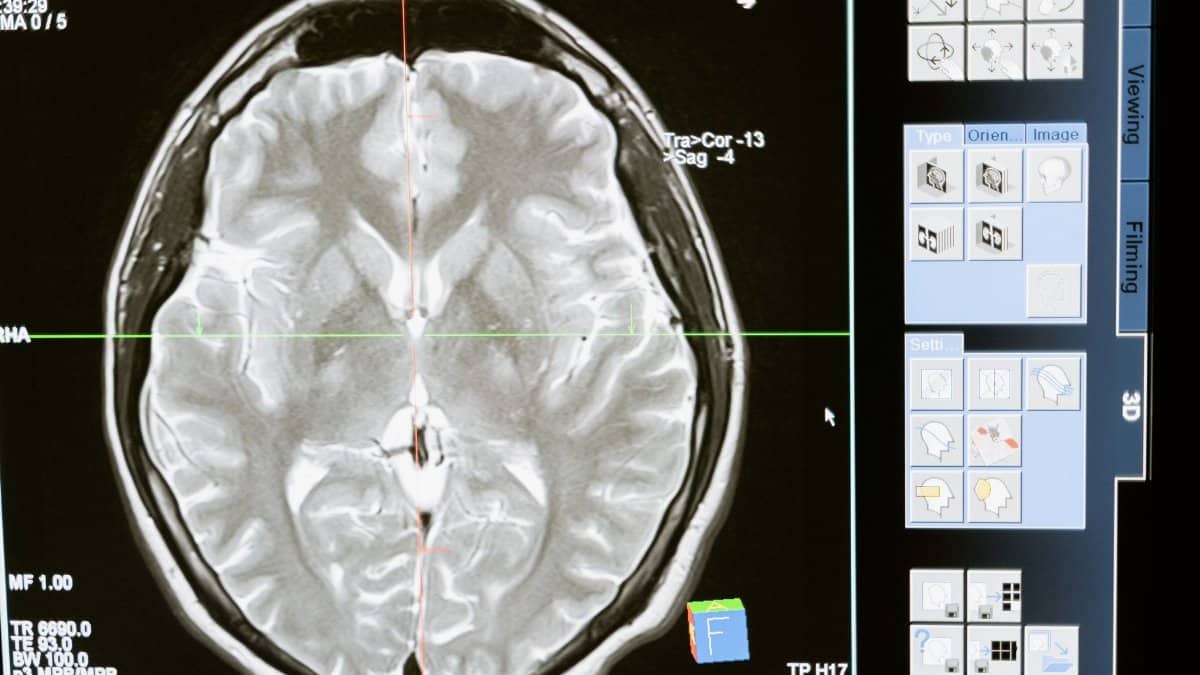
Neuroimaging work indicates that blood flow patterns shift when core body temperature rises. Regions tied to working memory receive less oxygen while areas governing alertness remain relatively stable. This uneven distribution may explain why people can still carry out routine tasks yet struggle with novel problem solving during heat waves.
Workplace Consequences That Accumulate

Offices without adequate cooling report higher rates of email errors and meeting miscommunications on the hottest afternoons. Construction crews and delivery drivers face similar challenges, though their exposure is more obvious. Over an entire season the cumulative loss in accuracy can translate into measurable productivity shortfalls and safety lapses.
Older Adults Face Heightened Risk

People past age sixty often have reduced capacity to regulate internal temperature and may take medications that further blunt thermoregulation. Longitudinal data from retirement communities reveal that cognitive screening scores dip during multi day heat events and rebound only after several cooler nights, pointing to a reversible yet recurring form of Heat Cognitive Impairment.
Children And Learning Environments

Schools in warmer districts without air conditioning show consistent drops in standardized test performance during late spring and early fall. Researchers tracking the same students across seasons found that math and reading scores improved once portable cooling units were installed, underscoring the sensitivity of developing brains to classroom heat.
Urban Design As A Contributing Factor

Pavement, glass towers, and sparse tree cover create microclimates several degrees hotter than surrounding suburbs. Residents in these zones experience longer periods of physiological stress, increasing the likelihood that Heat Cognitive Impairment becomes a chronic rather than episodic condition for entire neighborhoods.
Practical Steps That Show Promise

Simple interventions such as early morning work shifts, increased hydration reminders, and reflective roof coatings have reduced reported cognitive complaints in pilot programs. Employers who add short cooling breaks every ninety minutes also record fewer self reported concentration lapses on hot days.
Policy Responses Still Lag

Few municipal heat action plans explicitly address cognitive outcomes, focusing instead on heat stroke and cardiovascular strain. Public health officials argue that recognizing Heat Cognitive Impairment could justify earlier activation of cooling centers and targeted outreach to schools and senior facilities.
Looking Ahead Under Continued Warming

Climate models project more frequent and intense heat episodes across the continental United States. If current exposure response relationships hold, the societal cost of widespread, recurring cognitive impairment could grow substantially, affecting everything from financial markets to medical error rates. Addressing the thermal environment of daily life may therefore become a quiet but essential component of public health strategy.