

In recent weeks city leaders surprised many observers by finalizing terms that allow Los Angeles to shift a portion of its financial burden from the 2028 Games onto other partners. The move comes after years of debate over how to manage Los Angeles Olympic Costs without placing extra strain on local taxpayers. Observers note that the pact reflects careful negotiation between municipal officials and state representatives who sought to balance prestige with practical budgeting. Public reaction has ranged from cautious approval to lingering skepticism about whether all promises will hold once construction begins in earnest.
Details of the new cost sharing pact
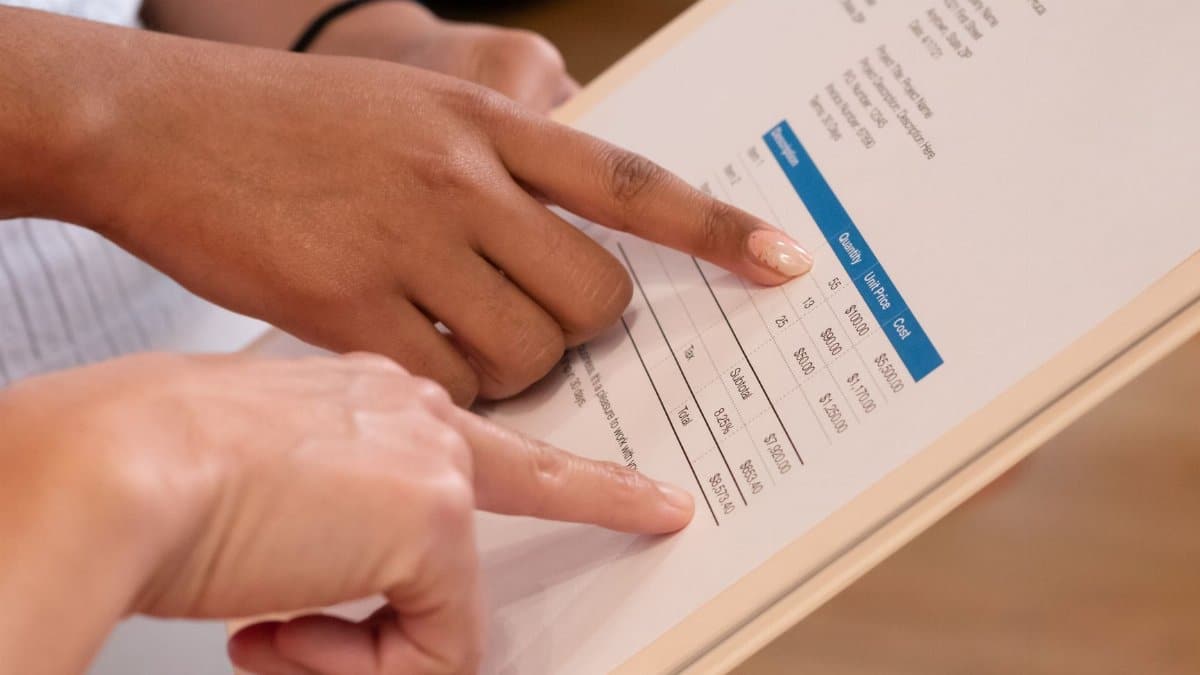
Under the arrangement the city will receive direct contributions toward venue upgrades and security measures that previously fell entirely on local shoulders. This approach spreads payments across multiple agencies and private sponsors while keeping overall outlays in check. Residents can expect visible improvements to transit links and public spaces that will remain after the events conclude.
Role of state and federal support
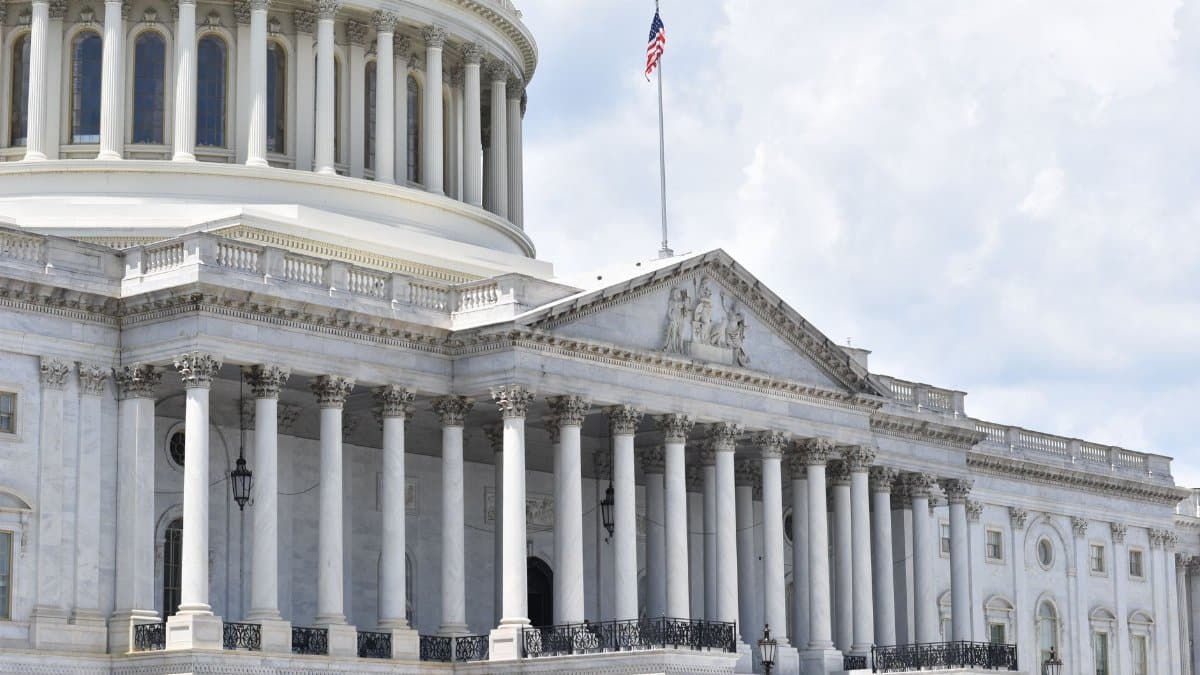
State lawmakers approved matching funds that supplement municipal resources and reduce pressure on property tax revenues. Federal grants tied to infrastructure projects further ease the load by covering elements such as road repairs and communication systems. These layers of assistance mark a shift from earlier Olympic hosting models that left host cities to absorb nearly all expenses alone.
Impact on local taxpayers and budgets
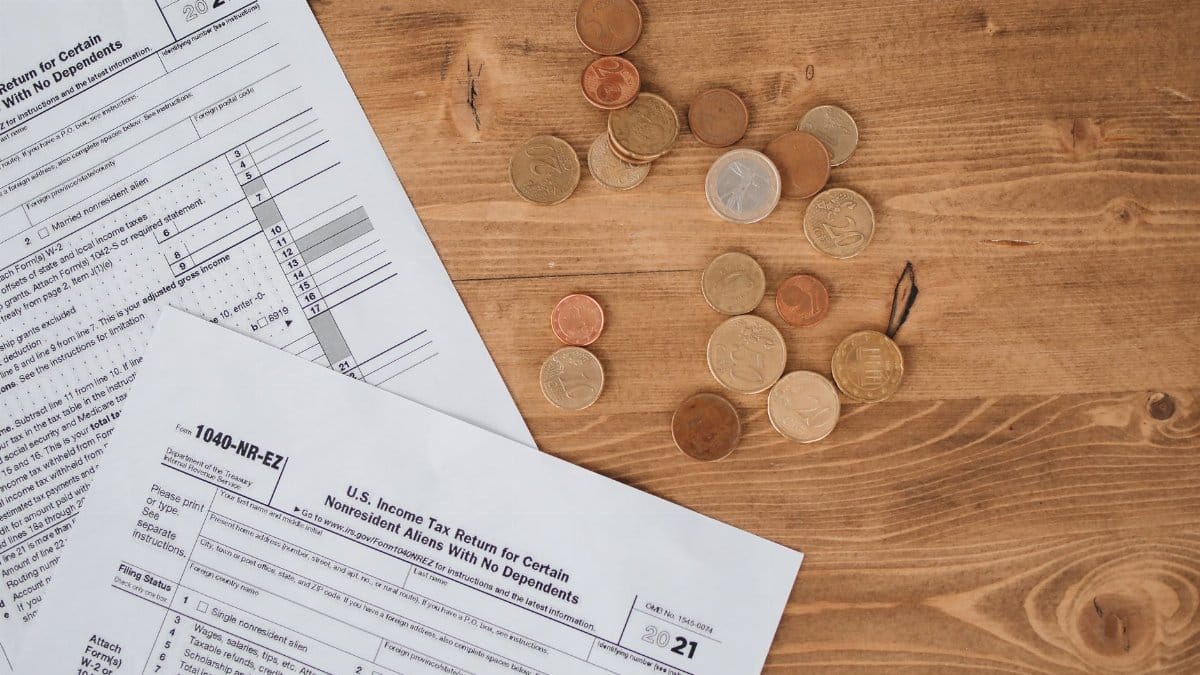
Analysts project modest increases in certain fees rather than broad tax hikes to cover remaining gaps. City budget documents indicate reserves set aside for contingencies will stay intact under the current framework. This stability matters for neighborhoods already facing rising expenses for housing and daily services.
Comparisons with past Olympic host experiences
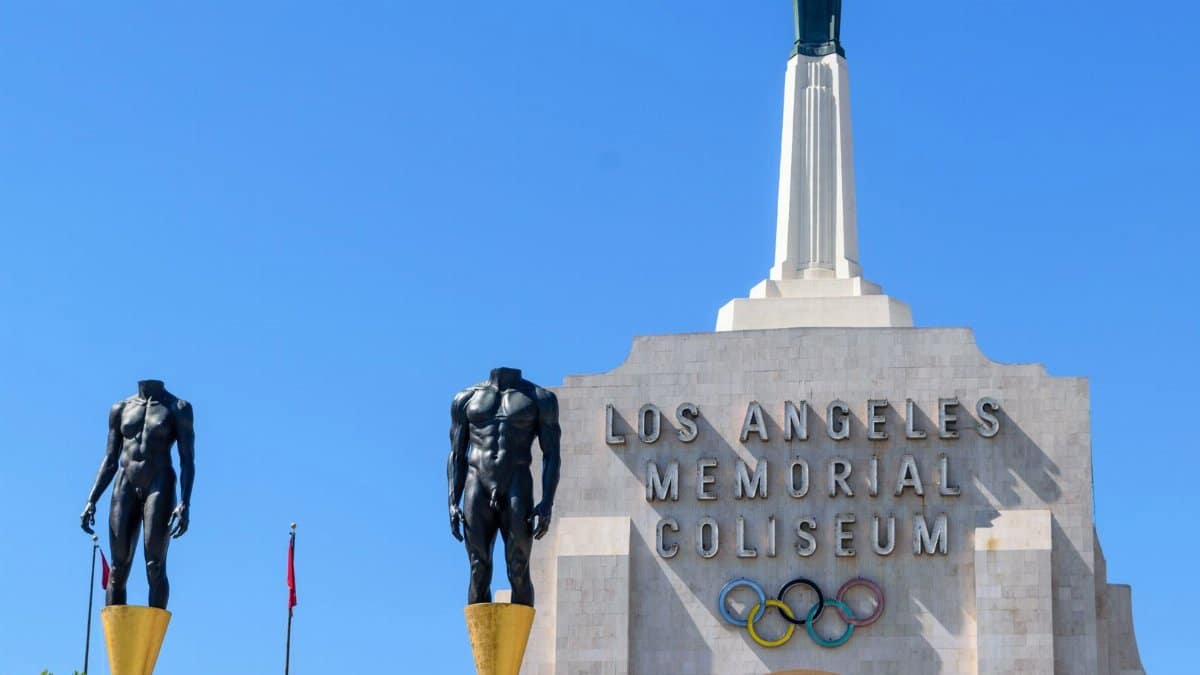
Previous cities often encountered sharp overruns that lingered for decades after closing ceremonies. Los Angeles planners studied those cases closely and built safeguards into contracts to limit similar outcomes. The emphasis on existing facilities rather than brand new arenas forms a central part of that protective strategy.
Venue preparation and infrastructure plans
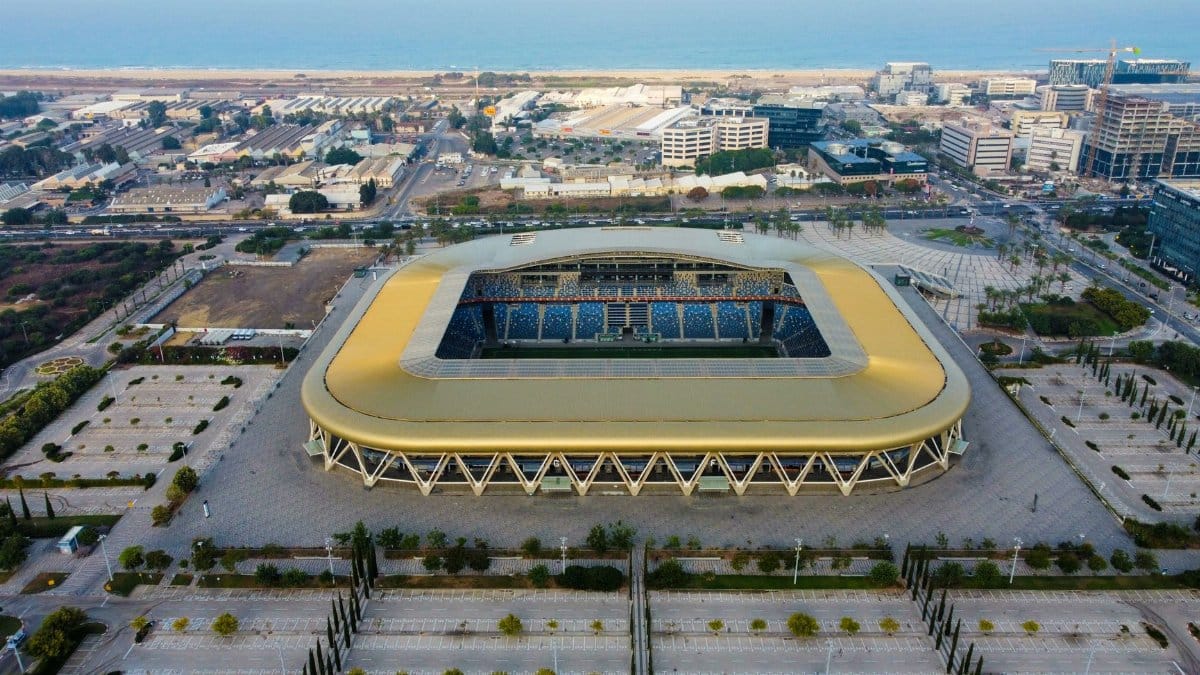
Work will focus on modest upgrades to stadiums and arenas already in use for professional sports teams. Transit extensions already underway will receive accelerated timelines to handle expected crowds. Such choices aim to deliver lasting benefits that extend well beyond the two week event window.
Public sentiment and community involvement

Town hall meetings revealed strong interest in ensuring equitable access to event tickets and volunteer opportunities. Local groups have begun organizing to highlight cultural programs that could accompany athletic competitions. These efforts seek to foster a sense of shared ownership among diverse populations across the region.
Long term economic projections

Forecasts suggest visitor spending could generate several billion dollars in activity for area businesses during the games period. Sustained tourism gains may follow if marketing highlights the regions attractions effectively. Officials stress that these benefits depend on smooth execution and positive media coverage.
Next steps for oversight and accountability

An independent review panel will monitor spending and issue quarterly reports to the public. Contract language includes penalties for delays or cost escalations that exceed agreed thresholds. This structure intends to maintain transparency as work progresses toward opening day. Los Angeles Olympic Costs will continue to serve as a reference point in future discussions about major event planning.