

In the sunlit classrooms of Phoenix young learners are discovering the basics of reading and social skills through programs that have seen investment in recent years. Yet the end of federal support is casting uncertainty over these efforts. Arizona Early Childhood Funding Cuts now threaten to reverse hard won progress for the states youngest residents as officials scramble to fill gaps left by expiring aid. Families across the region face tough choices about enrollment while providers consider scaling back services that once reached thousands of children each year. The shift marks a turning point for a state that had built momentum through combined local and national resources aimed at early development.
Background on Federal Support Withdrawal

Federal dollars have long supplemented state budgets for preschool and infant care initiatives in Arizona. With the conclusion of pandemic era assistance many of these allocations have simply disappeared. Lawmakers in Washington have signaled no immediate replacements leaving local administrators to confront reduced capacity. Communities that benefited from expanded slots must now adjust expectations and seek alternative financing from private donors or increased taxes.
Impact on Program Availability Across Regions

Rural areas stand to lose the most as transportation costs rise and staff retention becomes harder without steady funding streams. Urban centers like Tucson may absorb some displaced families yet overall enrollment numbers are projected to fall. Providers report waiting lists already forming for remaining openings. This uneven distribution highlights how geography shapes access to foundational learning opportunities.
Effects on Families with Low Income

Parents who depend on subsidized care to maintain employment now weigh reduced options against household budgets already stretched thin. Some have shifted to informal arrangements with relatives while others delay workforce reentry. Data from state agencies indicate rising inquiries about assistance programs that lack sufficient openings. The ripple reaches child development outcomes as consistent routines give way to instability.
Responses from State Legislators

Arizona officials have proposed modest increases in general fund contributions yet these fall short of previous federal levels. Bipartisan committees continue to debate priorities with early education competing against infrastructure and health care demands. Advocates urge swift action to avoid larger societal costs down the line from diminished school readiness. Public hearings have drawn testimony from educators and parents alike.
Role of Local Nonprofit Organizations

Charities and foundations have stepped forward with grants to bridge short term shortfalls in several counties. These groups focus on teacher training and material supplies rather than full operational coverage. Partnerships with businesses have also emerged though sustainability remains an open question. Such efforts demonstrate community resilience amid shifting policy landscapes.
Comparisons with Neighboring States

New Mexico and Colorado have pursued dedicated revenue sources for early childhood initiatives preserving broader access despite national trends. Arizona observers note these models as potential guides though political and economic differences limit direct application. Cross border collaborations on training programs offer one avenue for shared learning without major new expenditures.
Long Term Outlook for Child Development
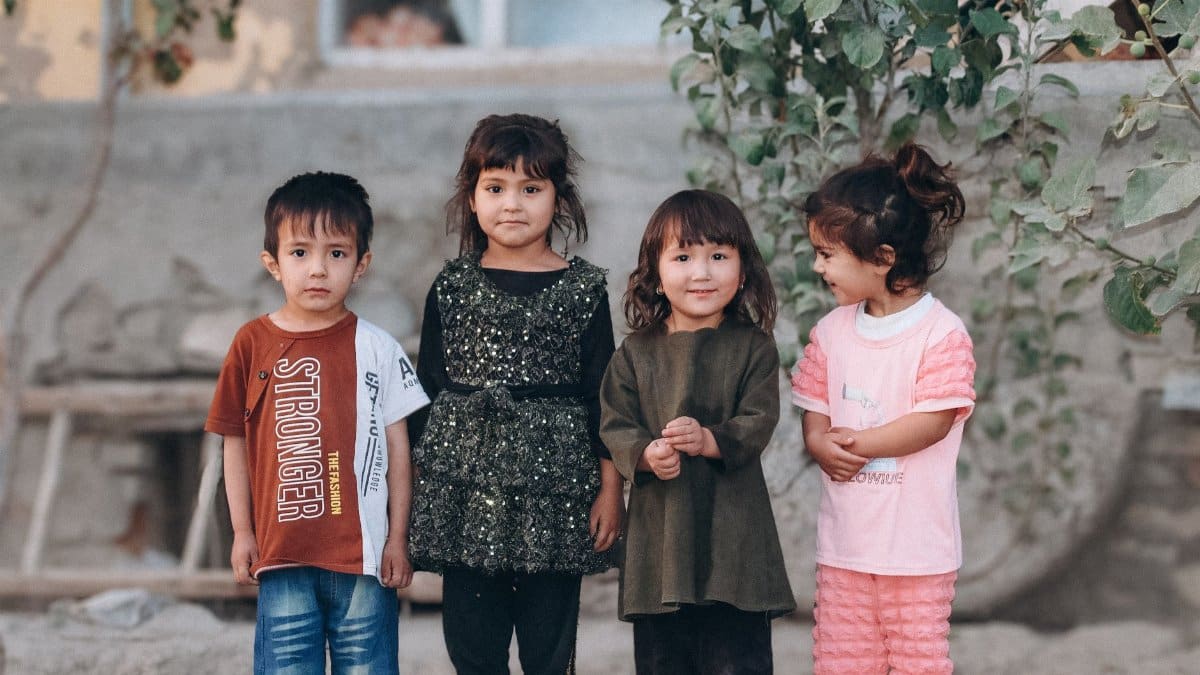
Experts warn that interrupted early services correlate with later academic challenges and higher remediation needs in elementary grades. Economic analyses project reduced workforce productivity if current trajectories hold. Policymakers face pressure to quantify these future burdens against immediate budget constraints. Sustained investment could still alter the path if commitments solidify soon.
Voices from Educators in the Field

Teachers describe classrooms where supplies have dwindled and group sizes have grown following the funding lapse. Morale suffers as uncertainty about contract renewals lingers. Many recount personal stories of children who thrived under enriched environments now at risk of losing those advantages. Their accounts underscore the human dimension behind policy decisions.