
On a stretch of Texas highway where commuters pass without a second glance, a sudden collision involving a Tesla vehicle has left families shattered and regulators on alert. The Tesla Katy Crash Investigation now stands at the center of questions about automated driving systems and the limits of human oversight in an era of rapid technological change.
Details of the Fatal Collision Near Katy

The incident unfolded on an evening when traffic moved at typical speeds along the route. Witnesses described a vehicle that appeared to accelerate without warning before striking another car. Local authorities responded quickly, yet the presence of advanced driver assistance features in the Tesla immediately elevated the case beyond a routine traffic matter. Investigators from multiple agencies began collecting data from onboard systems to understand what occurred in the moments before impact.
Elon Musk Shares His Perspective

The Tesla founder offered brief remarks on social media that drew widespread attention. He pointed to preliminary data suggesting the vehicle operated within expected parameters while acknowledging the need for thorough review. Observers noted his comments avoided assigning blame yet underscored ongoing efforts to refine the technology. Such statements often surface whenever high profile incidents involve company products, reflecting both corporate responsibility and public interest in transparency.
Federal Agencies Begin Their Review

National transportation officials have opened a formal inquiry into the vehicle systems. This process includes analysis of software logs, sensor readings and any prior software updates applied to the car. The Tesla Katy Crash Investigation serves as one example of how regulators track emerging vehicle technologies across the country. Past cases have shown these examinations can extend for months and sometimes lead to broader safety recommendations for manufacturers.
Community Reactions in the Katy Area
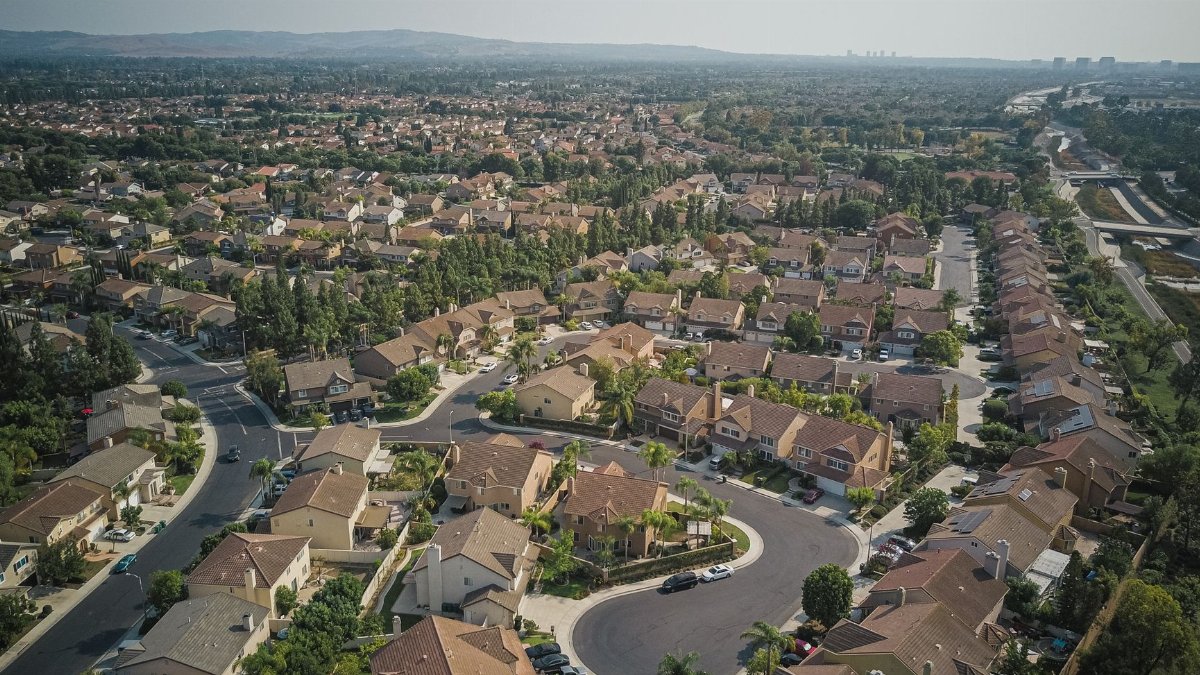
Residents along the affected corridor expressed a mix of concern and curiosity about the role of automation in daily travel. Some described feeling less certain about newer vehicles after hearing accounts of the crash. Others emphasized the importance of driver attention regardless of onboard features. Local meetings have touched on calls for clearer education around system capabilities so that users understand both benefits and boundaries.
Questions About Technology and Human Judgment
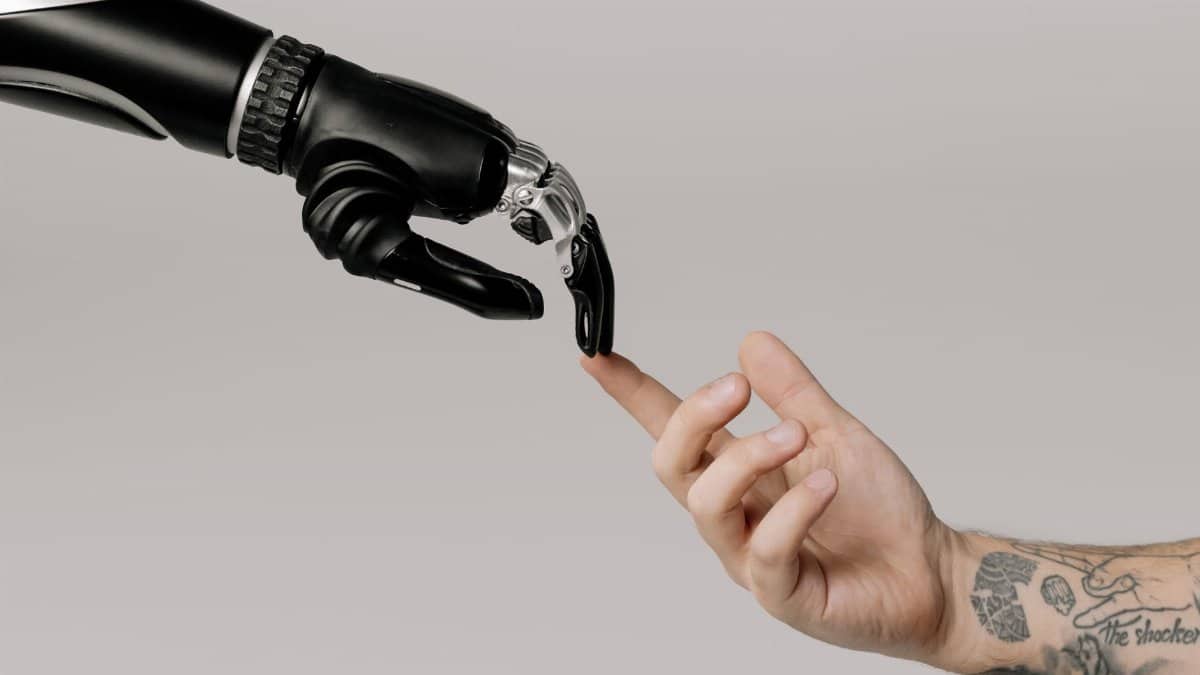
Incidents like this one prompt reflection on how people interact with machines that promise greater safety. Drivers may grow accustomed to assistance tools and inadvertently place too much trust in them during routine trips. The Tesla Katy Crash Investigation highlights the delicate balance between innovation and the enduring need for active human participation behind the wheel.
Legal Steps Taken by Affected Families

Attorneys representing those involved have filed paperwork seeking further information from the manufacturer. Court documents reference the same federal inquiry now underway. Such actions often aim to secure records that might otherwise remain internal during the early stages of review. Families frequently describe a desire for answers that extend beyond technical findings to encompass accountability.
Broader Patterns in Automated Driving Cases

Similar investigations have occurred in other states where vehicles equipped with advanced features were part of serious collisions. Data from those reviews sometimes reveal gaps in how systems detect unusual road conditions or respond to sudden obstacles. Each new instance adds to an accumulating body of knowledge that shapes future design choices across the industry.
Reflections on Progress and Its Costs

Technology continues to advance at a pace that can outstrip public understanding of its limits. While many celebrate reduced accident rates in controlled tests, real world outcomes remind observers that no system eliminates every risk. The Tesla Katy Crash Investigation offers a moment to consider what society gains and what it must still safeguard as vehicles become more capable.
Looking Ahead to Safety Improvements

Manufacturers have stated intentions to incorporate lessons from ongoing examinations into subsequent software releases. Regulators meanwhile weigh whether additional guidelines or testing standards would benefit all road users. Conversations in policy circles increasingly focus on clear communication so consumers receive accurate expectations about what these systems can and cannot accomplish under varied conditions.