

In the sunlit expanse of Chavez Ravine, where cheers for home runs often blend with the quiet struggles of nearby families, the Los Angeles Dodgers have channeled their influence into meaningful action. Their Dodgers ICE Response Philanthropy marks a deliberate effort to address the fallout from federal enforcement actions, turning a sports franchise pledge into tangible aid for affected communities across Southern California.
Origins of the Pledge Amid Rising Tensions

The commitment emerged after a series of immigration enforcement operations that swept through Los Angeles neighborhoods in recent years. Team leadership recognized the human cost and stepped forward with resources aimed at legal support and family stability. This move aligned the organization with local advocates who had long sought corporate involvement in such matters.
Owners Step Away from Controversial Holdings

In a related development, the Dodgers ownership group completed its exit from investments tied to a private prison operator. The decision came after sustained conversations with community leaders and reflected a broader shift in how major league teams weigh their financial portfolios against public expectations. Divestment signals an awareness that certain business ties can conflict with the values fans associate with the sport.
Distribution of Funds to Local Organizations

The one million dollars has now reached several nonprofits focused on immigration legal services and emergency family assistance. Groups in East Los Angeles and the San Fernando Valley received portions to expand their capacity for casework and community outreach. Recipients noted that the influx allowed them to hire additional staff and extend operating hours during peak periods of need.
Impact on Families Navigating Uncertainty

Stories from households touched by enforcement actions illustrate the practical difference these dollars have made. One mother described securing representation that prevented separation from her children while another family used support to maintain housing during a prolonged legal process. Such outcomes highlight how targeted philanthropy can stabilize daily life when larger systems feel distant.
Reactions from Players and Front Office Voices

Several current Dodgers have spoken privately about the importance of the initiative, though public comments remain measured. Front office executives framed the effort as consistent with the clubs long standing role in civic affairs. They emphasized that the pledge grew from internal discussions rather than external pressure alone.
Comparisons with Other Teams Approaches

Other Major League Baseball clubs have offered statements or smaller donations in similar situations, yet few have matched the scale or followed through with ownership level divestment. The Dodgers example may set a precedent for how franchises balance entertainment with social engagement in cities that host large immigrant populations.
Role of Local Advocates in Shaping the Response

Community organizations played a central part in guiding how the funds would be used. Regular meetings between team representatives and grassroots leaders helped refine priorities such as mental health resources and youth programs. This collaboration reduced the risk of misaligned giving and built trust that future efforts could build upon.
Challenges in Measuring Long Term Effects

While immediate relief reached dozens of families, tracking sustained outcomes remains complex. Legal cases can stretch for years, and economic pressures in high cost areas like Los Angeles continue to test resilience. The organizations involved plan periodic reports to share progress without overpromising quick fixes.
Broader Context of Corporate Giving in Sports

Professional teams increasingly face questions about their responsibilities beyond game days. The Dodgers ICE Response Philanthropy arrives at a moment when fans and sponsors alike examine how revenue from tickets and merchandise connects to surrounding social conditions. Transparency about where money flows has become a quiet expectation rather than an exception.
Future Possibilities for Continued Engagement

Team officials have indicated openness to additional phases of support if community needs persist. Potential areas include expanded language services and partnerships with schools that serve children from mixed status households. Any next steps would likely involve the same network of local partners that shaped the initial distribution.
Public Perception and Media Coverage
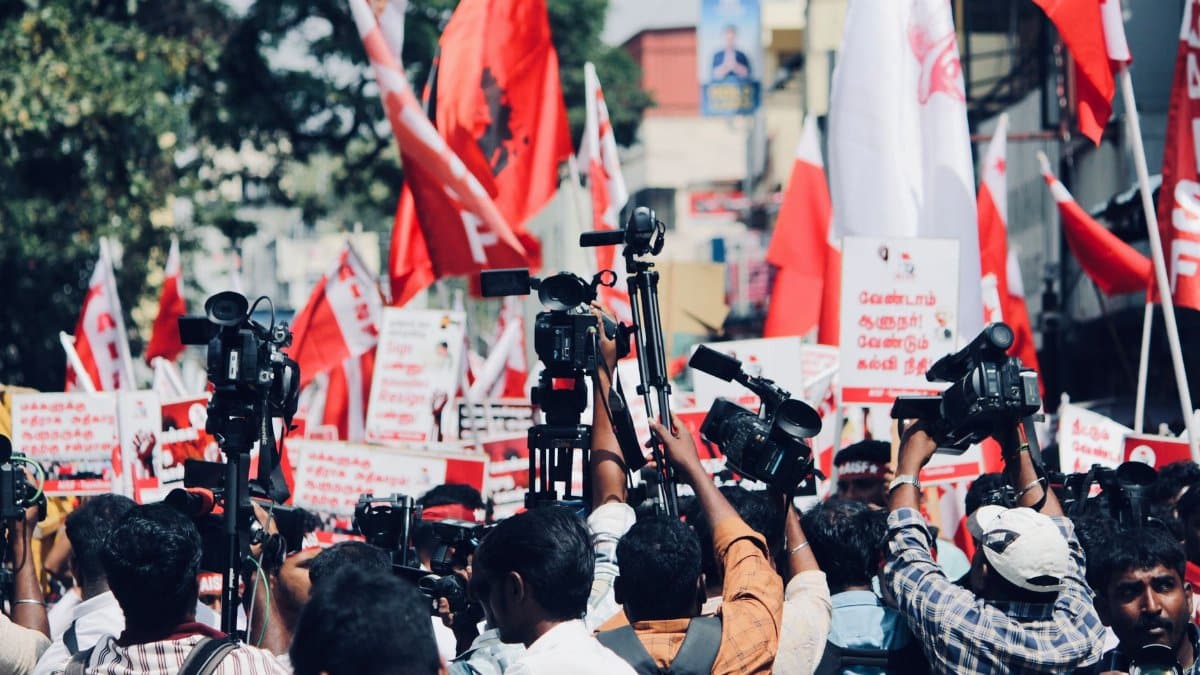
Coverage in local outlets has been largely positive, focusing on the concrete transfer of funds rather than symbolic gestures. National attention has been lighter, though the ownership divestment drew notice among business reporters tracking institutional investors. Fans at recent games have displayed mixed reactions, from quiet approval to calls for even greater involvement.
Lessons for Other Industries Watching

The sequence of pledge, divestment, and delivery offers a template that companies outside sports might study. Clear timelines, direct consultation with affected groups, and measurable transfers of resources stand out as elements that distinguish this case. Observers note that success depended on treating philanthropy as an ongoing practice instead of a single announcement.