
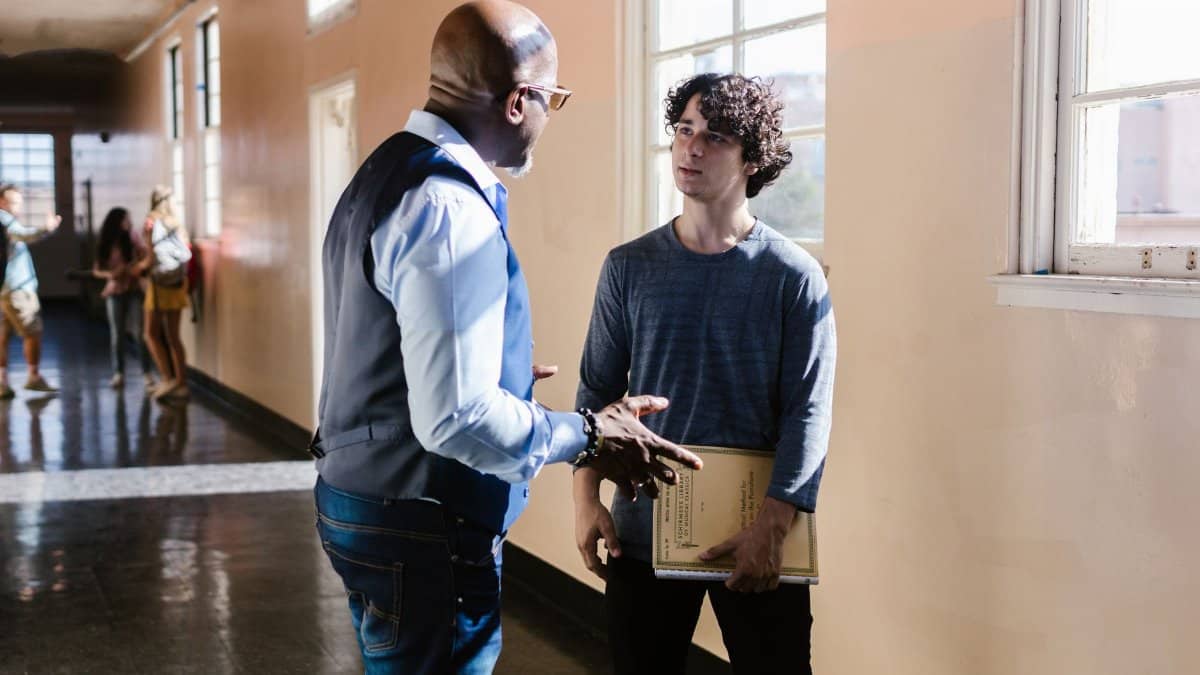
In classrooms across the state of Florida discussions about politics often lead to unexpected consequences for educators. A recent case involving a Pasco County instructor has prompted state leaders to consider revoking her professional credentials after comments made in front of students about national figures. Officials describe the remarks as inflammatory and outside acceptable bounds for classroom instruction. The incident brings renewed focus to Florida Teacher Discipline as authorities weigh how to address similar situations in public schools.
Background on the Classroom Incident

Details from the Pasco County school district show the teacher discussed political events during a lesson that touched on recent national elections. Students reported hearing statements that some parents viewed as one sided. School administrators launched an internal review after receiving complaints from several families. The review led to recommendations that reached the state education department.
State Response and Proposed Actions

Florida education commissioner has recommended permanent revocation of the instructors certificate. This step would prevent her from working in any public school in the state. Documents filed with the department outline the specific language used in class as the basis for the action. Hearings are scheduled to allow both sides to present arguments.
Community Reactions in Pasco County

Parents and local residents have expressed divided opinions about the proposed discipline. Some support the states effort to maintain neutral environments in schools. Others worry the move could limit open conversations about current events. School board meetings have seen increased attendance as residents voice their views.
Legal Considerations for Educators

Florida law grants teachers certain protections when expressing personal views outside instructional time. Inside the classroom however expectations shift toward balanced presentation of facts. Legal experts note that discipline cases often hinge on whether comments disrupt the learning process. Court precedents from past years provide guidance on these boundaries.
Impact on School Policies Statewide
Districts throughout Florida are reviewing their guidelines on political discussions following this case. Training sessions for staff now emphasize neutral facilitation techniques. Administrators seek to avoid similar complaints while preserving space for critical thinking. Policy updates may emerge before the next academic year begins.
Broader Patterns in Florida Teacher Discipline
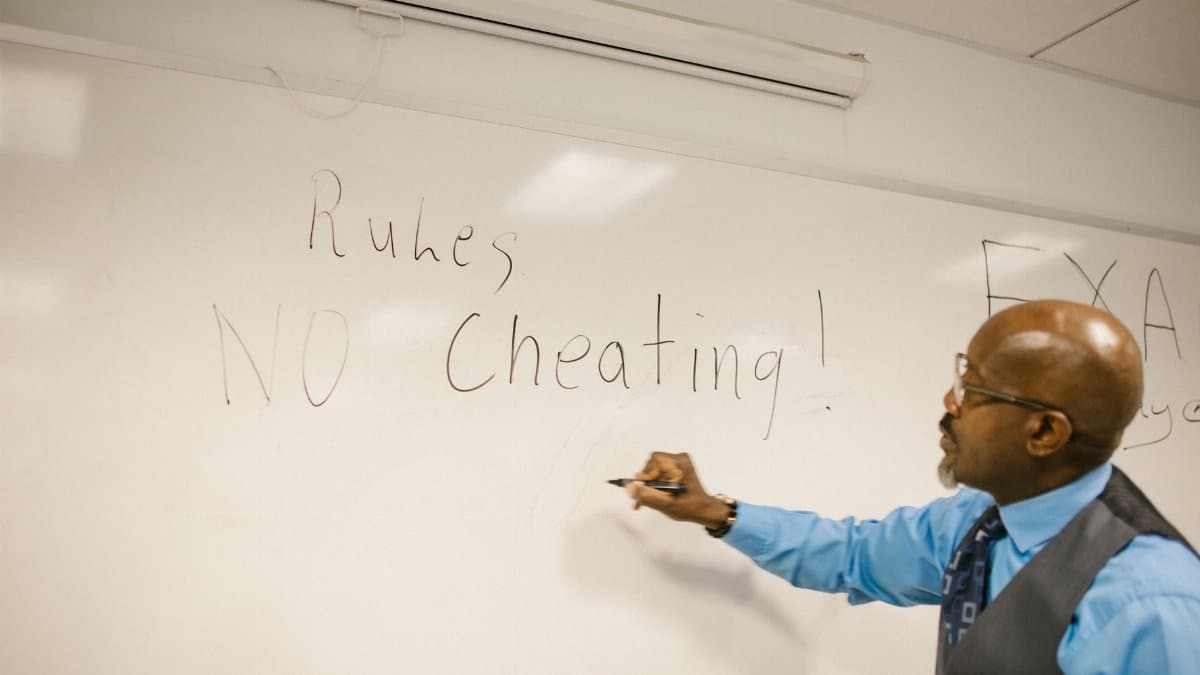
Records indicate a rise in complaints filed against educators for various conduct issues over the past several years. Cases range from inappropriate social media posts to classroom management concerns. Florida Teacher Discipline processes involve multiple review layers before final decisions. Data from the education department shows most complaints result in warnings rather than certificate revocation.
Perspectives from Education Advocates
Groups focused on teacher rights argue that isolated comments should not end careers. They point to the need for due process and context in every investigation. At the same time organizations concerned with student welfare support strict oversight. These differing positions shape ongoing debates about appropriate boundaries.
Comparison with Other States
Neighboring states handle similar matters through varying procedures. Some emphasize mediation between families and schools before escalation. Others maintain centralized review boards like the one in Florida. Outcomes differ based on local statutes and administrative priorities.
Future Implications for Classroom Discussions

This situation may influence how instructors approach sensitive topics in coming terms. Professional development programs are likely to include more modules on impartiality. Teachers may opt for caution when selecting materials that reference political figures. The long term effect on student engagement remains uncertain.