

In laboratories across the country researchers have turned their attention to the deepest layers of the mind. Their work reveals that certain ancient structures hold specialized brain cells capable of shielding attention from the endless stream of interruptions that define daily life. This finding opens fresh paths for understanding why some people struggle to stay on task amid constant demands. The cells appear to function like internal filters rooted in evolutionary history yet vital for navigating present challenges. As studies progress the implications stretch from everyday productivity to potential treatments for attention disorders.
Roots in Evolutionary History

The brain regions involved trace back millions of years. They developed when survival depended on spotting threats while ignoring irrelevant noise. Today these same areas help manage email alerts and social media pings. Scientists mapped the cells through advanced imaging that shows their connections to areas handling decision making.
How the Cells Filter Input
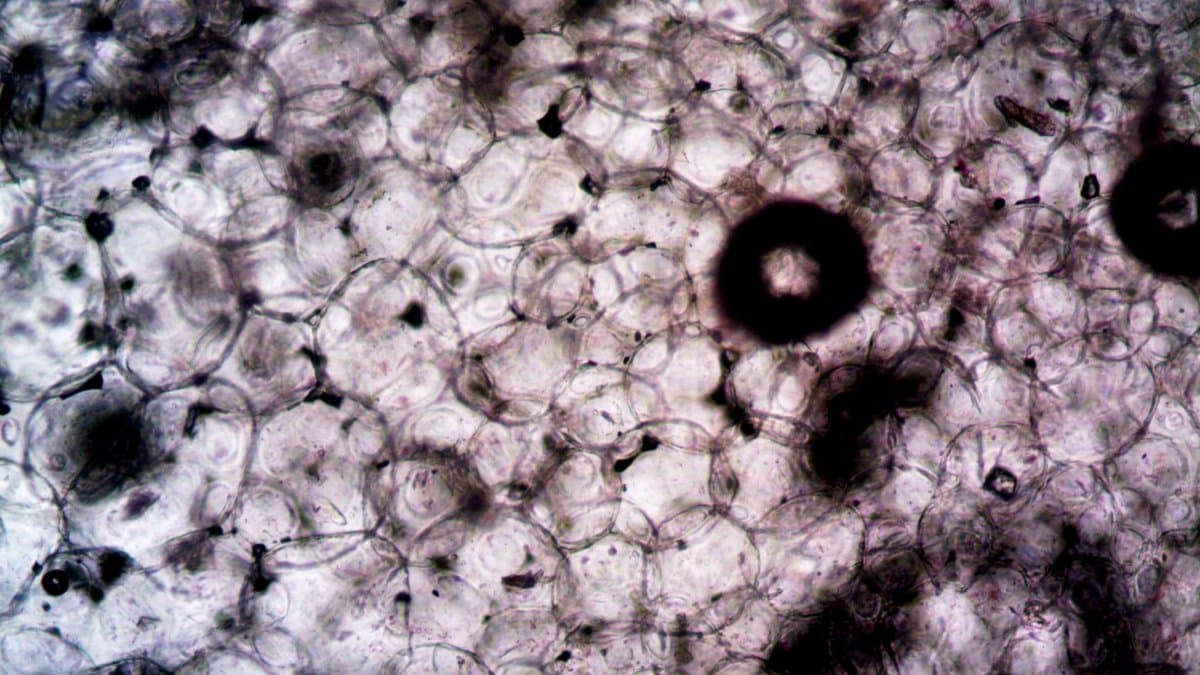
Experiments demonstrate that these brain cells activate rapidly when competing signals arrive. They suppress activity in networks tied to wandering thoughts. In one trial participants exposed to background distractions performed better when the cells received targeted stimulation. The mechanism relies on precise chemical signals rather than broad suppression.
Links to Attention Challenges
People diagnosed with attention disorders often show reduced activity in these same regions. Researchers suggest that strengthening the cells could ease symptoms without medication side effects. Early data from small groups indicate improved focus after brief training sessions designed to engage the ancient pathways.
Insights From Recent Experiments

A team published results detailing cell responses in controlled settings. Their work appears in detail at the provided source link where detailed methods and participant outcomes receive full review. Volunteers completed tasks while scans tracked cell firing patterns. Those with stronger responses handled interruptions more effectively.
Potential Treatment Directions

Future therapies might involve gentle stimulation techniques or behavioral exercises that activate the cells directly. Such approaches would differ from current medications by targeting specific circuits. Clinical trials are planned to test safety and lasting benefits over several months.
Broader Effects on Daily Routines
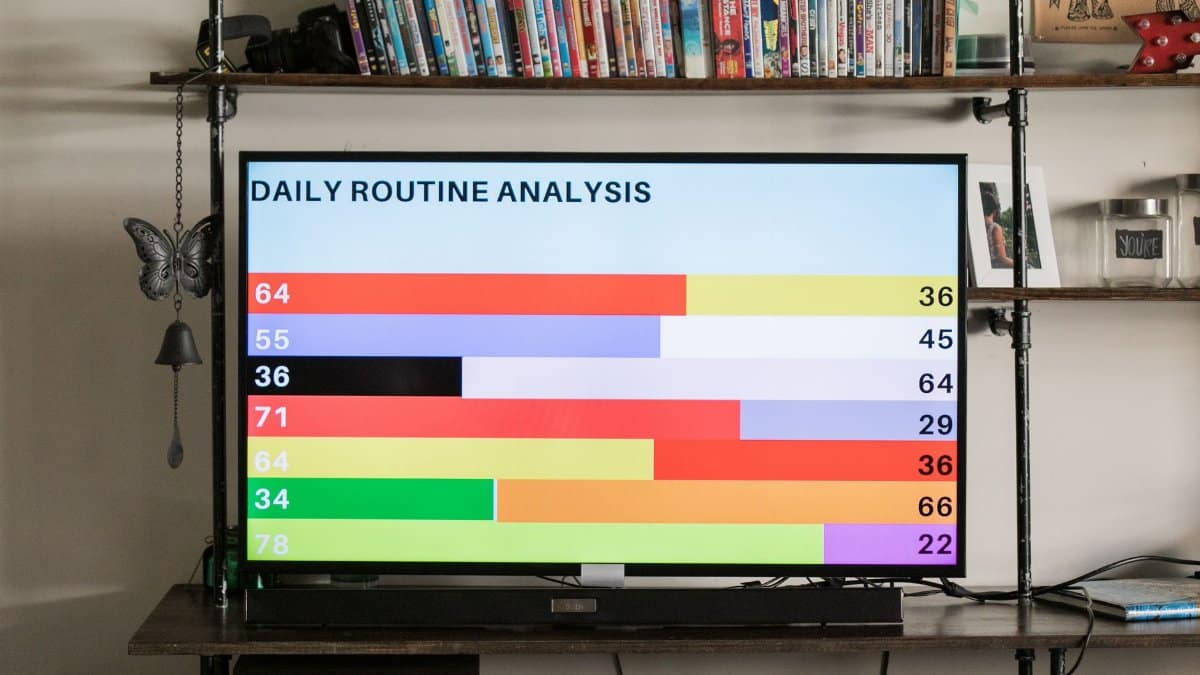
Beyond clinical settings the discovery affects how workplaces and schools design environments. Reducing unnecessary alerts could support the natural function of these brain cells. Simple adjustments like scheduled focus periods align with the cells preference for sustained rather than fragmented effort.
Questions Still Under Study

Many details remain unclear including how age or lifestyle influences cell performance. Larger population studies will examine variations across groups. Collaboration among neuroscientists and psychologists continues to refine models of how the cells interact with other brain systems.
Looking Ahead With Measured Optimism

While excitement surrounds the findings experts caution against quick conclusions. The cells represent one piece of a complex puzzle. Ongoing research will determine whether targeted support for these brain cells can deliver meaningful improvements for those seeking better concentration in a distracted world.