
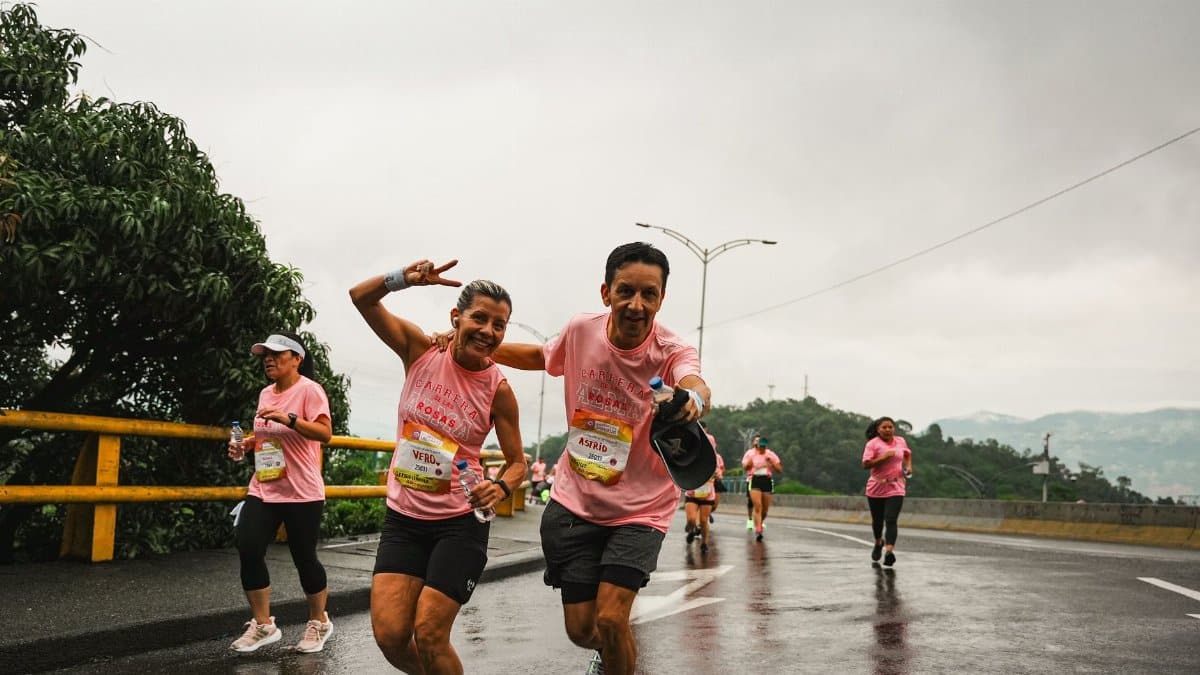
The streets of Duluth came alive with renewed energy as Grandmas Marathon 50th Anniversary drew thousands of participants eager to mark a half century of endurance along Lake Superior. Runners from across the country gathered for an event that blended historic milestones with unexpected twists, from record breaking finishes to unusual disruptions on the water. The occasion highlighted both the physical demands of the race and the ways communities adapt when circumstances shift suddenly.
Early Roots of a Lakefront Tradition
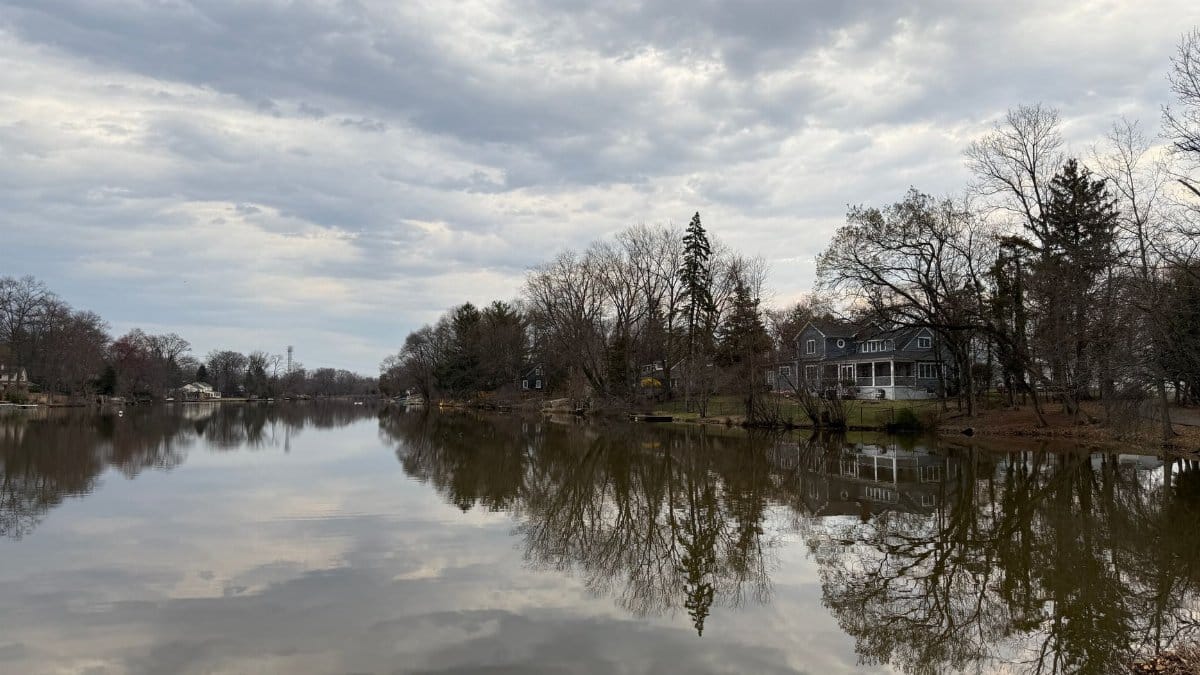
The marathon began in 1977 as a modest gathering that quickly grew into a signature event for Minnesota. Organizers focused on scenic routes that wind from Two Harbors back to Duluth, creating a course known for its steady climbs and rewarding views. Over the decades the event has drawn elite athletes alongside everyday participants who seek personal goals rather than podium finishes.
Record Performances Mark the Milestone Year

This anniversary edition produced standout times that etched new names into the event history. Several competitors surpassed previous benchmarks in both the open and masters divisions, reflecting advances in training methods and greater access to coaching resources. Observers noted how the cool morning conditions aided those chasing fast results along the paved path.
A Ship Incident Adds Drama to the Course
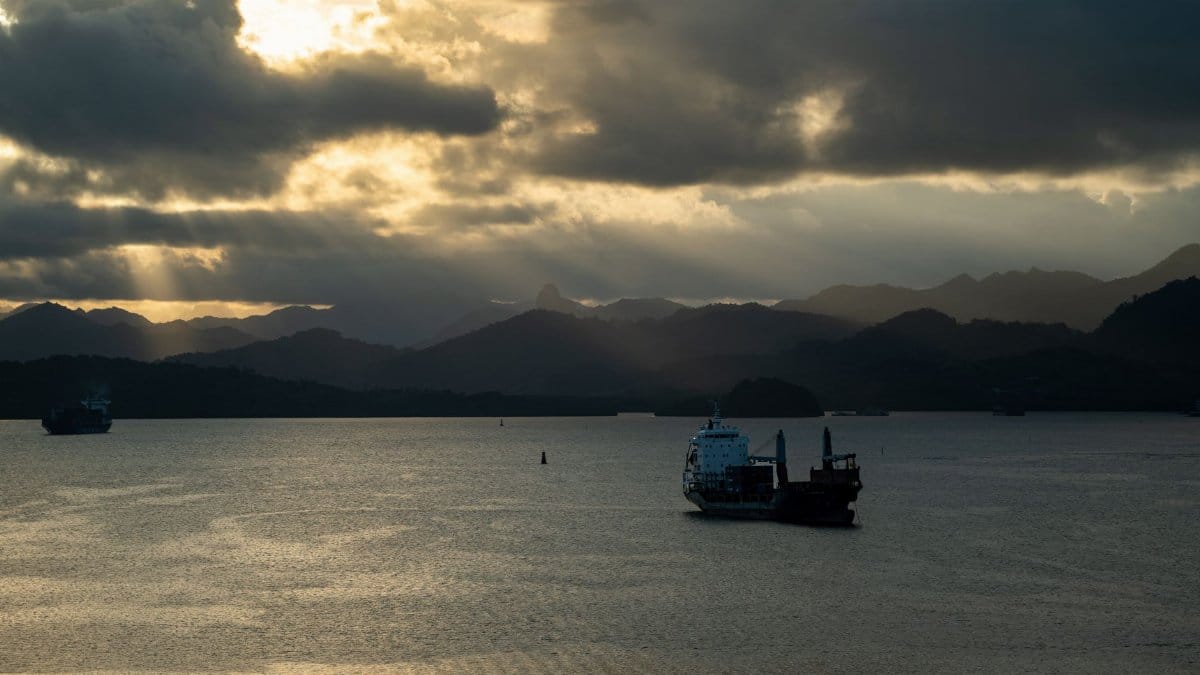
Midway through the morning an unexpected maritime mishap unfolded nearby when a vessel lost its mooring and drifted close to the shoreline. Race officials monitored the situation closely yet decided the running path remained secure. Participants later described brief pauses to watch the scene before resuming their steady pace toward the finish area.
Virtual Options Expand Participation

With health considerations still present for some enthusiasts the organizing team introduced a virtual format that allowed remote runners to complete the distance on their own schedules. Thousands logged miles from home states and submitted results through an online portal. This approach preserved the spirit of collective achievement even when physical presence proved impractical.
Community Gatherings Celebrate Shared Effort
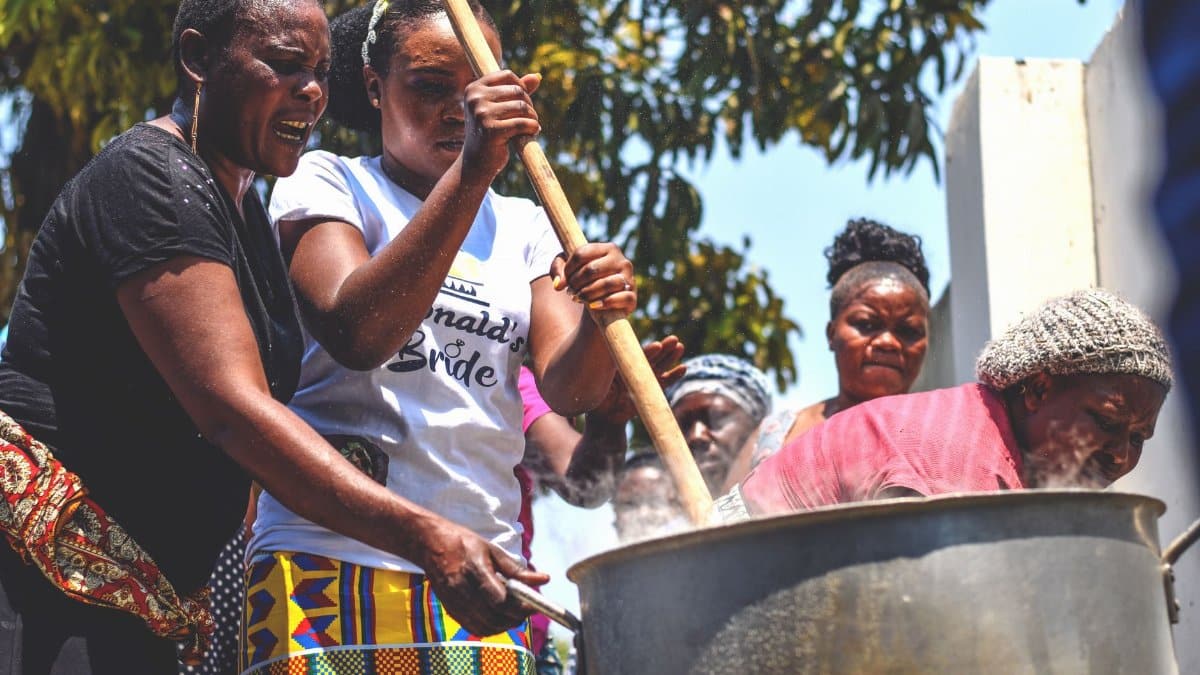
Local businesses along the route hosted viewing spots and post race meetups that fostered conversations among spectators and finishers alike. These informal assemblies underscored the social side of distance running where stories of past races are exchanged and new friendships form. Volunteers played a central role in keeping the atmosphere welcoming for all ages.
Training Insights from Veteran Athletes
Experienced competitors shared advice on building mileage gradually and incorporating recovery periods to avoid injury. Many emphasized consistent nutrition and mental preparation as keys to reaching the starting line ready. Such guidance proved valuable for first timers who viewed the anniversary as an ideal introduction to longer distances.
Environmental Stewardship Along the Path
Event planners worked with regional groups to minimize waste and promote reusable supplies at aid stations. Runners were encouraged to carry their own water bottles where possible. These measures reflect a broader awareness of how large gatherings can support the natural surroundings that make the course appealing.
Looking Ahead After Fifty Years

Organizers expressed optimism about future editions while reflecting on changes in participant demographics and technology use. Plans include enhanced tracking tools and continued support for inclusive categories. The anniversary served as both a celebration and a planning session for sustaining the event through coming decades.