
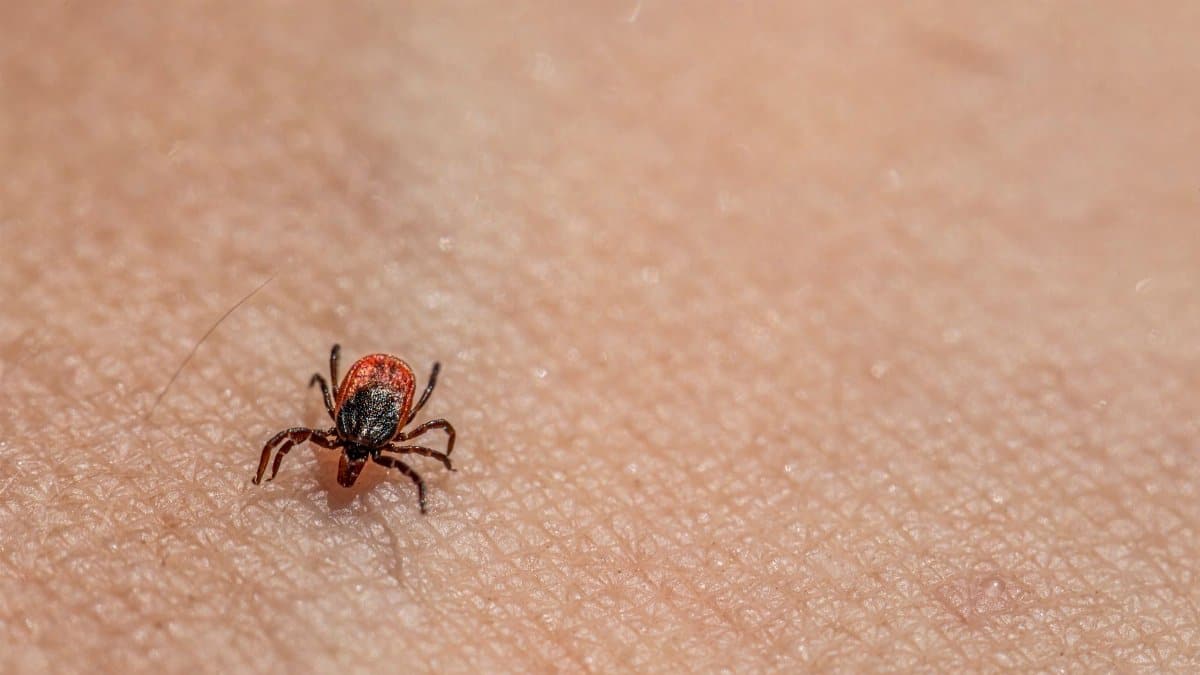
A walk through the forests of the Northeast once offered residents a sense of calm and renewal. In recent years those same areas have become sites of growing concern as tick populations expand and bring with them a range of serious health threats. The pattern known as New England Ticks Disease has drawn attention from health officials who note sharp increases in cases that affect families across multiple states.
The Rise in Reported Cases Across the Northeast

Health departments in several states have documented steady growth in illnesses transmitted by ticks. Records show that the number of confirmed infections has climbed each year with some counties reporting rates several times higher than a decade earlier. Families who spend time outdoors describe sudden fevers and joint pain that lead to lengthy medical visits. Officials attribute part of the increase to better awareness yet they also point to genuine expansion of the tick habitat.
Role of Changing Weather Patterns

Milder winters allow more ticks to survive into spring. Longer periods of warm weather extend the season when people and animals encounter the insects. Scientists tracking temperature records observe that these shifts create favorable conditions for the creatures to reproduce and spread into new areas. Forests once too cold for certain species now support larger numbers.
Understanding Lyme and Related Conditions
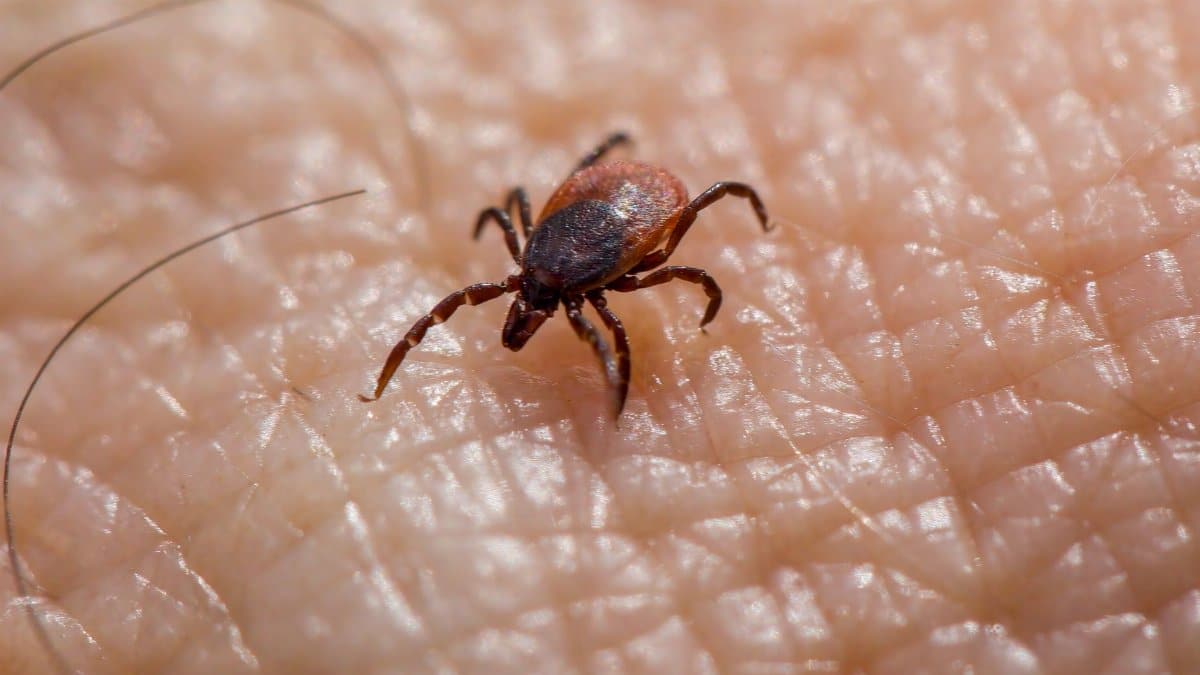
Lyme disease remains the most common illness linked to ticks yet other infections such as Powassan have appeared more frequently. Symptoms can range from fatigue to neurological issues that require extended care. Doctors stress the value of early detection since treatment works best when started promptly. Patients often recount months of uncertainty before receiving a clear diagnosis.
Efforts by Local Health Departments

State agencies have increased surveillance programs that collect ticks from the field and test them for pathogens. Public education campaigns encourage residents to check clothing and skin after time outdoors. Some towns have begun controlled burns and landscape maintenance to reduce tick numbers in public spaces. These steps reflect a coordinated response to a problem that crosses town lines.
Steps Individuals Can Take for Protection

Wearing long sleeves and tucking pants into socks provides a simple barrier. Repellents approved by health authorities offer added defense when applied correctly. After returning indoors a thorough inspection of the body and pets can catch ticks before they attach. Keeping yards clear of leaf litter also limits suitable hiding spots near homes.
Impact on Outdoor Recreation and Tourism
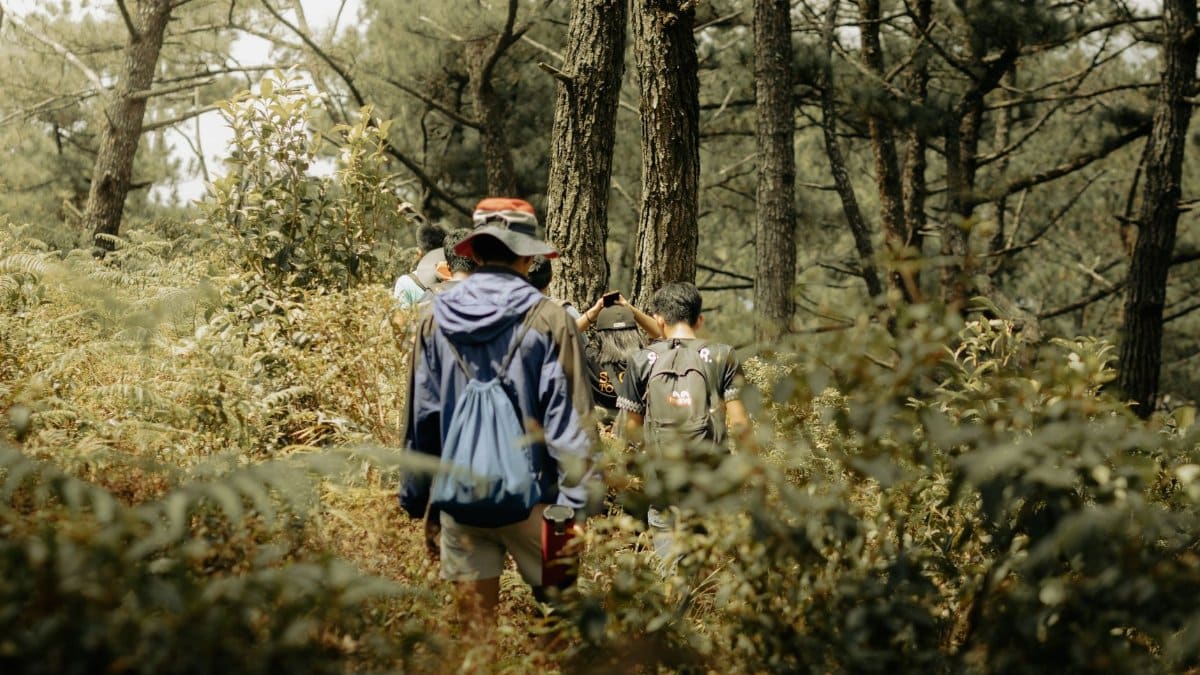
Parks and hiking trails report fewer visitors during peak season as some families choose indoor activities instead. Local businesses that rely on campers and day trippers have adjusted marketing to highlight safety measures. Guides now include tick checks as part of every outing. The shift affects both the economy and the way people experience natural areas they once took for granted.
Research Into Vaccines and Treatments

Laboratories continue work on improved vaccines that could prevent multiple tick carried diseases at once. Clinical trials explore new antibiotics that shorten recovery times. Funding from federal sources supports studies that examine how ticks acquire and transmit pathogens. Progress remains gradual yet each finding adds to the tools available to physicians.
Looking Ahead to Future Seasons

Experts expect the trend to continue unless broader environmental measures are adopted. Communities that combine personal vigilance with habitat management appear better positioned to limit spread. Ongoing monitoring will reveal whether current efforts can stabilize case numbers. Residents who stay informed and prepared can still enjoy the outdoors while reducing their risk.