
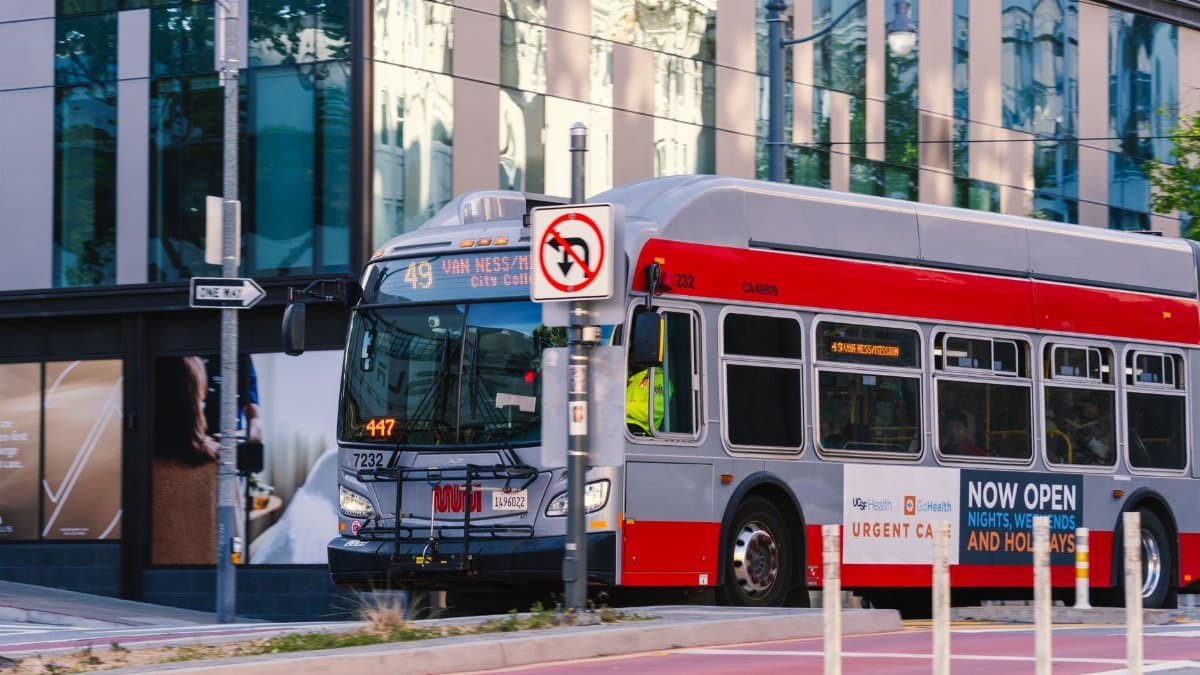
In the vibrant stretch of Ocean Avenue where streetcars glide past corner shops and neighborhood cafes residents often find themselves pausing to watch the daily rhythm of transit unfold. San Francisco officials have put forward a plan to accelerate service along this corridor yet the effort known as Muni Ocean Avenue Changes has drawn sharp responses from merchants who fear impacts on foot traffic and deliveries. The discussion reveals tensions between citywide mobility goals and the practical concerns of small business operators who anchor the avenue.
Origins of the Transit Initiative
City planners examined data on travel times along Ocean Avenue and identified recurring delays caused by frequent stops and mixed traffic patterns. Their review led to recommendations for streamlined boarding zones and signal priority measures intended to cut overall journey durations for riders heading toward downtown or connecting lines.
Merchant Perspectives on Potential Impacts

Local store owners express worry that reduced stops could divert passengers away from their doorsteps reducing spontaneous visits that sustain daily sales. Several have formed informal groups to share observations about how even minor route shifts have affected similar avenues in past years.
Delivery and Loading Concerns
Businesses rely on precise timing for supply trucks that currently pause briefly along the curb. Any reconfiguration of parking or stopping areas might force longer walks with heavy loads creating new operational hurdles for staff already stretched thin.
City Goals for Improved Mobility

Advocates for the plan point to broader efforts across San Francisco to make public transit more competitive with private vehicles. Faster service on key corridors like Ocean Avenue could encourage more residents to leave cars at home easing pressure on crowded streets and supporting environmental targets.
Community Meetings and Feedback Sessions

Public gatherings have drawn crowds of riders commuters and shopkeepers each presenting distinct viewpoints on the proposed adjustments. Officials have collected comments through surveys and direct conversations aiming to refine details before final approvals.
Comparisons with Other Transit Corridors
Similar projects on parallel routes in the city have produced mixed outcomes with some showing clear gains in speed while others required follow up tweaks to address unforeseen access issues for nearby enterprises.
Economic Ripple Effects for Small Shops

Merchants note that steady foot traffic from transit users often translates into loyal customers who discover new spots while waiting or exiting vehicles. Changes that thin out those moments could gradually erode the avenue’s role as a convenient neighborhood hub.
Technical Elements of the Service Updates

The recommendations include extended spacing between certain stops and technology that allows buses to trigger green lights more readily. These features would require coordination with traffic management systems already in place throughout the region.
Long Term Vision for Ocean Avenue

Planners envision an avenue where reliable transit supports both residential growth and commercial vitality. Achieving that balance depends on ongoing dialogue that incorporates input from all parties invested in the corridor’s future success. Muni Ocean Avenue Changes remains a focal point in those conversations as stakeholders weigh tradeoffs between efficiency and accessibility.