

In recent years automated tools have begun shaping access to apartments and medical coverage across the region in ways that often escape public view. A middle aged professional in Seattle might submit records for a lease only to receive a denial generated by code that weighs factors like zip code or past shopping habits rather than income stability. Similar patterns appear when insurance claims are processed at high speed. These developments point directly to AI Discrimination Washington as a concern that demands attention from lawmakers and residents alike before exclusions become routine.
Expanding role of automated screening in rentals

Property managers now rely on software that scans applications for patterns tied to credit files or social connections. Such systems can flag individuals for reasons that remain unclear even to the building owners who license the tools. In Washington this practice has grown without clear limits on data sources or appeal processes leaving applicants uncertain how to respond when turned away.
Healthcare coverage decisions shaped by algorithms

Hospitals and insurers increasingly use predictive models to approve treatments or set premiums. These models draw from large data sets that may embed historical imbalances in care delivery. Patients in Washington sometimes discover that prior approvals have shifted after an update to the underlying code with little explanation offered for the change.
Absence of clear state level safeguards

Current statutes in Washington address some aspects of data privacy yet leave gaps around fairness in automated choices. No dedicated review board examines whether models used by landlords or medical plans meet standards for accuracy and equity. This regulatory silence allows vendors to operate with minimal external checks.
Disproportionate effects on established communities
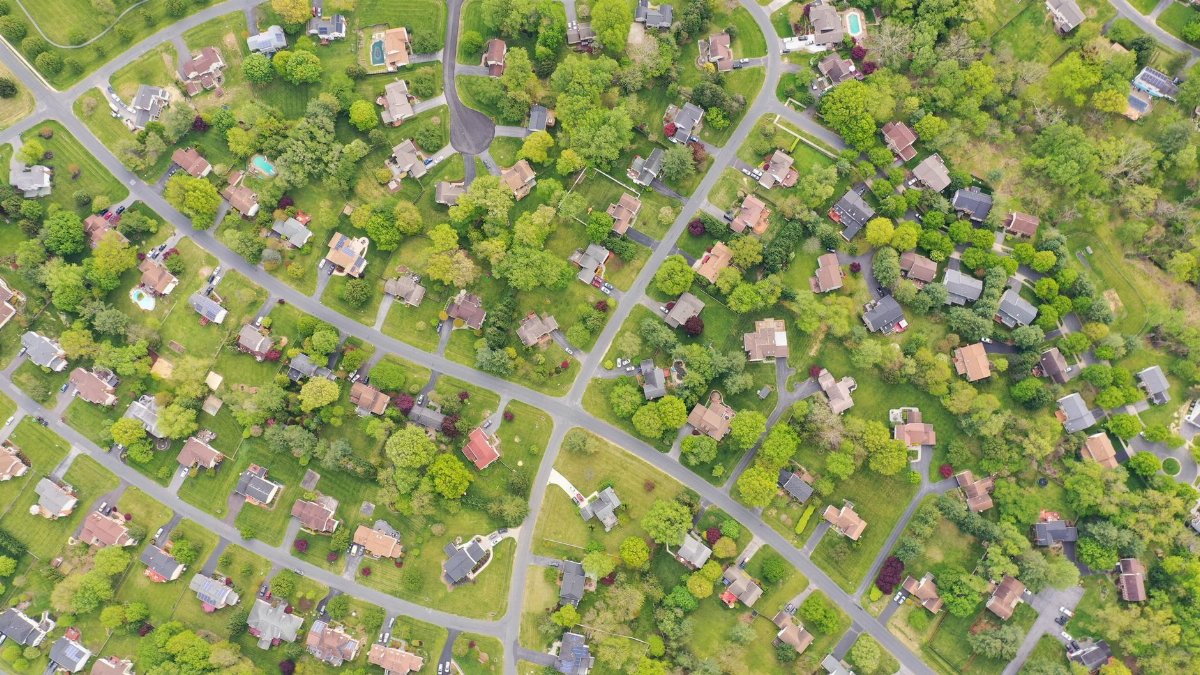
Longtime residents in urban and rural parts of the state report repeated hurdles when seeking housing near family networks or specialized medical services. Data inputs that favor newer credit histories or urban mobility trends can sideline applicants whose profiles reflect stable but less digitized lives. Such outcomes concentrate disadvantages in neighborhoods already navigating economic transitions.
Lessons from regulatory efforts elsewhere

Other states have introduced requirements for audits of decision models and rights to human review. Those measures include public reporting on error rates and bias testing across demographic groups. Washington could draw from these examples while tailoring rules to local housing markets and healthcare networks that serve aging populations.
Economic pressures driving adoption of AI tools

Cost control remains a central motive for businesses that license screening software. Manual reviews require staff time and training while automated options promise faster throughput. In Washington where housing demand stays high and medical expenses continue to climb the appeal of efficiency can overshadow questions about fairness in individual cases.
Paths toward accountability and transparency

Proposed measures include mandatory disclosure of factors that influence automated outcomes along with options for independent testing. Lawmakers might also require periodic updates to models based on fresh data that reflects current community conditions. These steps would allow residents to understand and if needed challenge results that affect their daily security.
Public awareness and avenues for engagement

Community forums and legislative hearings offer spaces where affected individuals can share experiences with automated denials. Greater visibility around AI Discrimination Washington can encourage broader discussion of standards that balance innovation with protection for middle aged households seeking stability in housing and medical access. Continued attention to these issues will determine whether technology serves or restricts opportunity in the years ahead.