

In the heart of a city known for its rich history and resilient communities many families navigate daily hurdles when seeking reliable medical attention. Stories from local neighborhoods reveal how limited resources and shifting policies shape outcomes for residents of all ages. Philadelphia Health Care stands at the center of these discussions as providers and advocates work to bridge gaps that have persisted for years. Observers note that public awareness has grown through recent reporting which brings attention to both successes and shortcomings in service delivery.
Neighborhood Clinics Expanding Reach
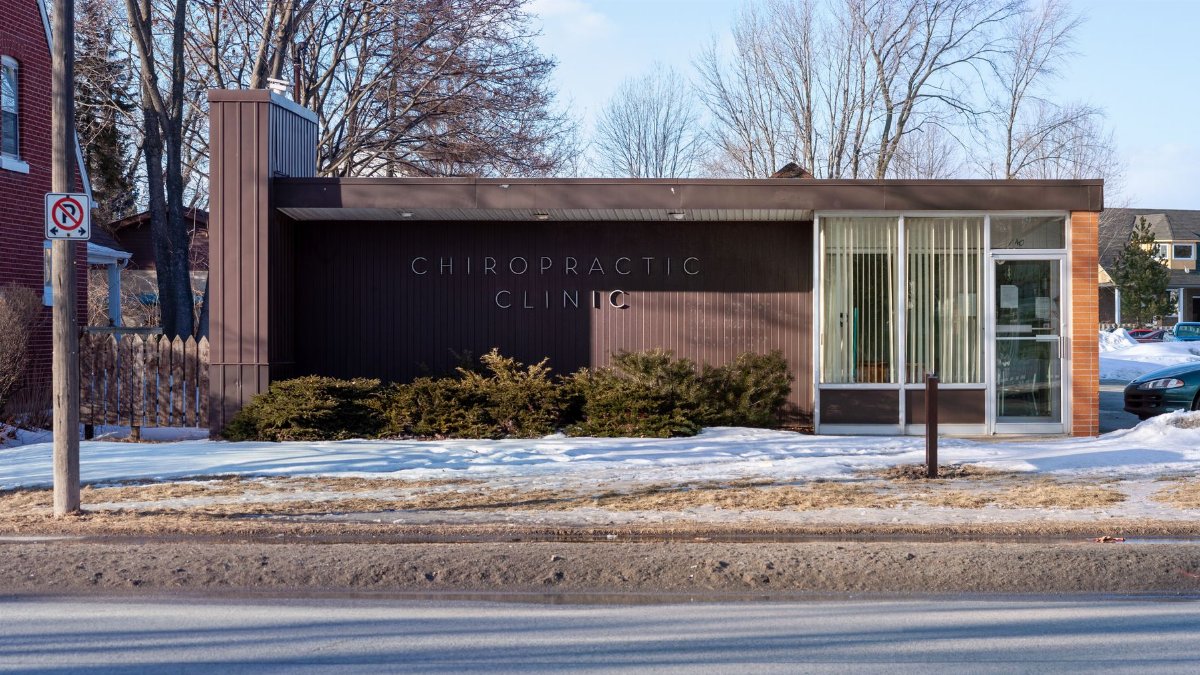
Across various districts clinics have adjusted their operations to serve more patients each week. Staff members describe increased demand for routine checkups and preventive guidance which helps reduce emergency visits later on. Community leaders emphasize the value of these sites in fostering trust and encouraging consistent health management among working adults and seniors alike.
Public Awareness Campaigns Taking Hold

Recent efforts to educate residents about available options have shown promising signs of engagement. Workshops held in libraries and community centers cover topics from nutrition basics to understanding insurance details. Participants often share how such sessions clarify complex processes and empower individuals to make informed choices about their well being.
Hospital Partnerships Driving Improvements

Major medical centers have formed alliances with smaller facilities to streamline referrals and share expertise. These collaborations aim to cut down on delays that once frustrated patients seeking specialized care. Administrators report smoother transitions for those moving between general and advanced treatment settings.
Challenges in Rural Adjacent Areas

Even areas on the outskirts of the city encounter transportation barriers that complicate regular visits to providers. Volunteers organize rides and mobile units to address these needs yet funding remains a constant topic of conversation among organizers. Residents express gratitude for incremental progress while calling for sustained support.
Role of Faith Groups in Wellness
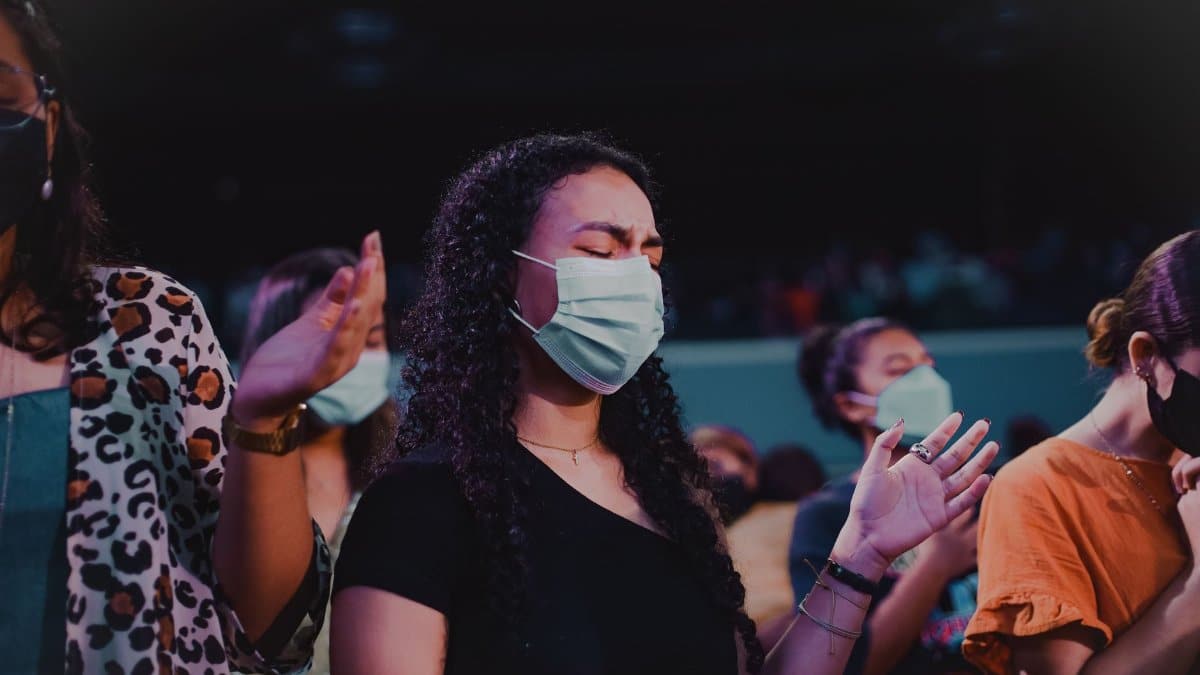
Churches and spiritual organizations have stepped forward to host health fairs and support networks that blend physical and emotional care. These gatherings create spaces where people discuss concerns openly and connect with professionals in a familiar environment. Such involvement highlights how community bonds contribute to overall vitality.
Data Trends Revealing Access Patterns

Analyses of local records indicate variations in service utilization based on location and background. Researchers point to factors like appointment availability and language support as key influences. Findings from these reviews guide targeted adjustments by agencies aiming for more equitable distribution of resources.
Future Outlook for Service Delivery

Looking ahead planners focus on integrating technology to enhance scheduling and follow up communications. Pilot programs test virtual consultations alongside in person options to accommodate diverse schedules. Advocates stress the importance of maintaining human connections amid these advancements to ensure no one feels overlooked.