
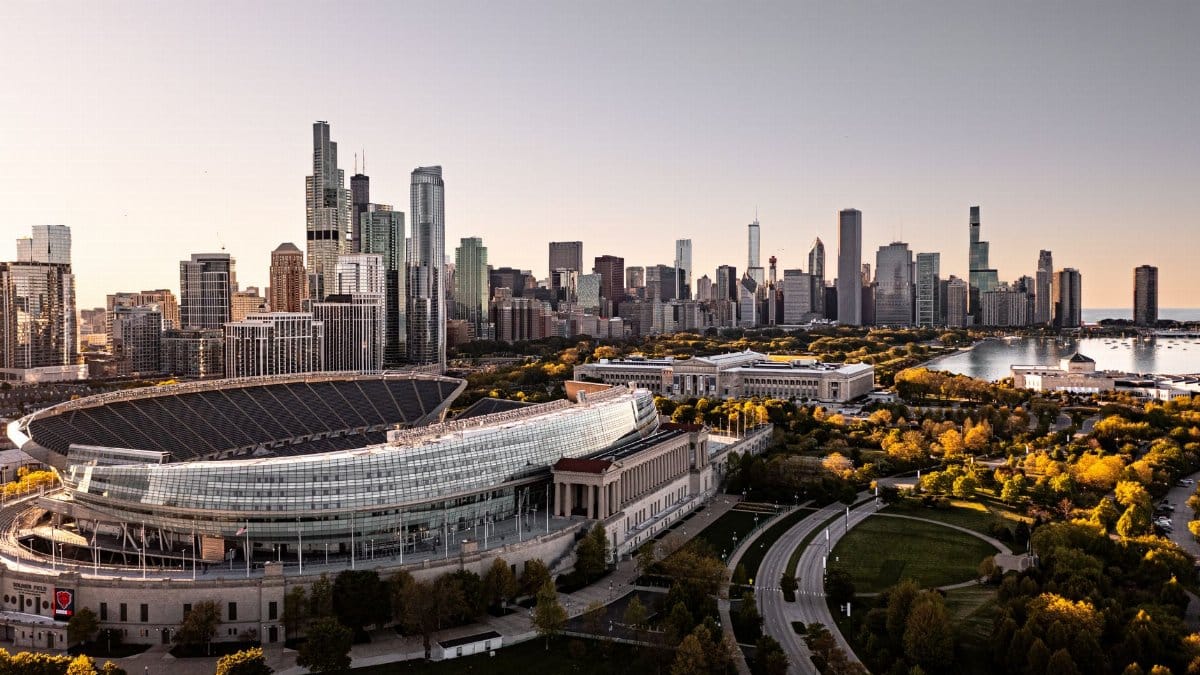
The storied history of professional football in Chicago has long been intertwined with its iconic stadium. As talks of a potential departure surface the future of Chicago Bears Soldier Field remains a topic of much debate among fans and city officials alike. This possible shift raises questions about legacy community impact and the evolving nature of sports venues in major metropolitan areas.
Historical Roots of the Venue
Soldier Field stands as a landmark with roots tracing back nearly a century. Its architecture reflects an earlier era of public works projects designed to inspire civic pride. Over time the structure has adapted to host not only football but also concerts and other large events drawing diverse crowds from across the region.
Team Performance and Fan Expectations

Recent seasons have seen fluctuating results for the franchise prompting discussions on whether a new facility could enhance training conditions and game day experiences. Supporters value the traditions built at the current site yet recognize practical needs for updated amenities that meet contemporary standards in the league.
Urban Planning and City Development
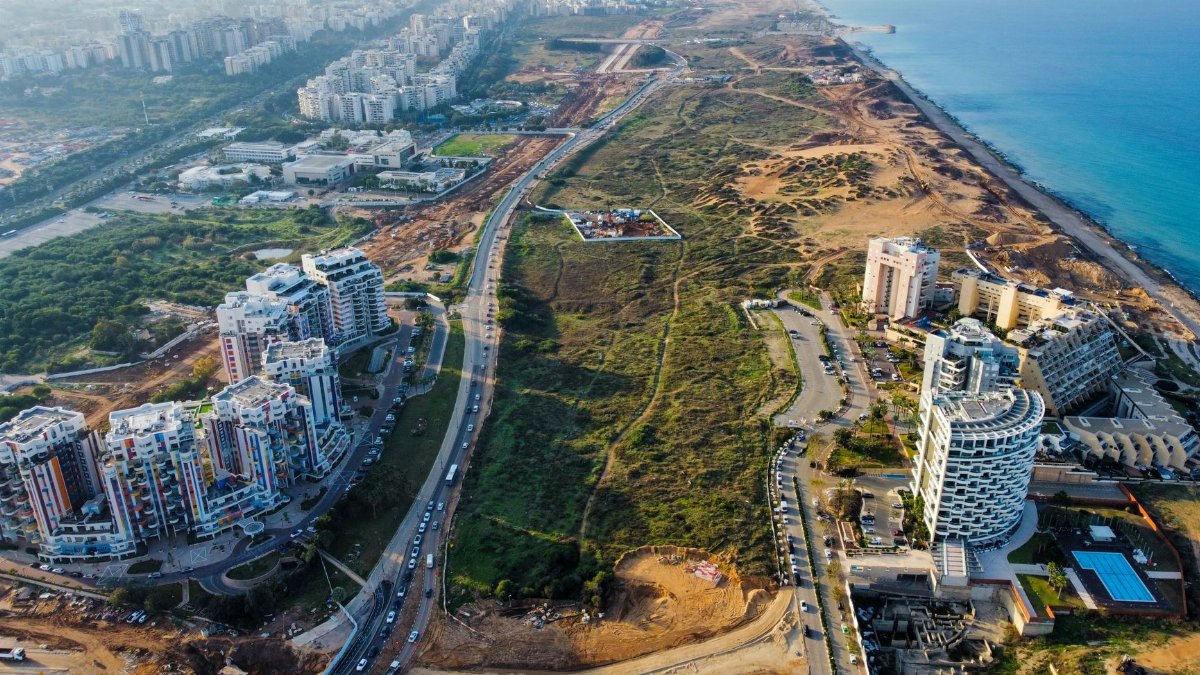
Chicago leaders must weigh how any relocation might affect surrounding neighborhoods and transportation networks. The existing location offers convenient access via public transit which has been a consistent advantage for attendees. Planners continue to evaluate options that balance growth with preservation of open spaces near the lakefront.
Economic Considerations for Stakeholders

Financing a modern stadium involves complex arrangements between private investors and public entities. Revenue from tickets concessions and sponsorships plays a central role in sustaining operations. Analysts note that long term agreements could influence local tax bases and employment opportunities in related industries.
Comparisons With Other League Cities
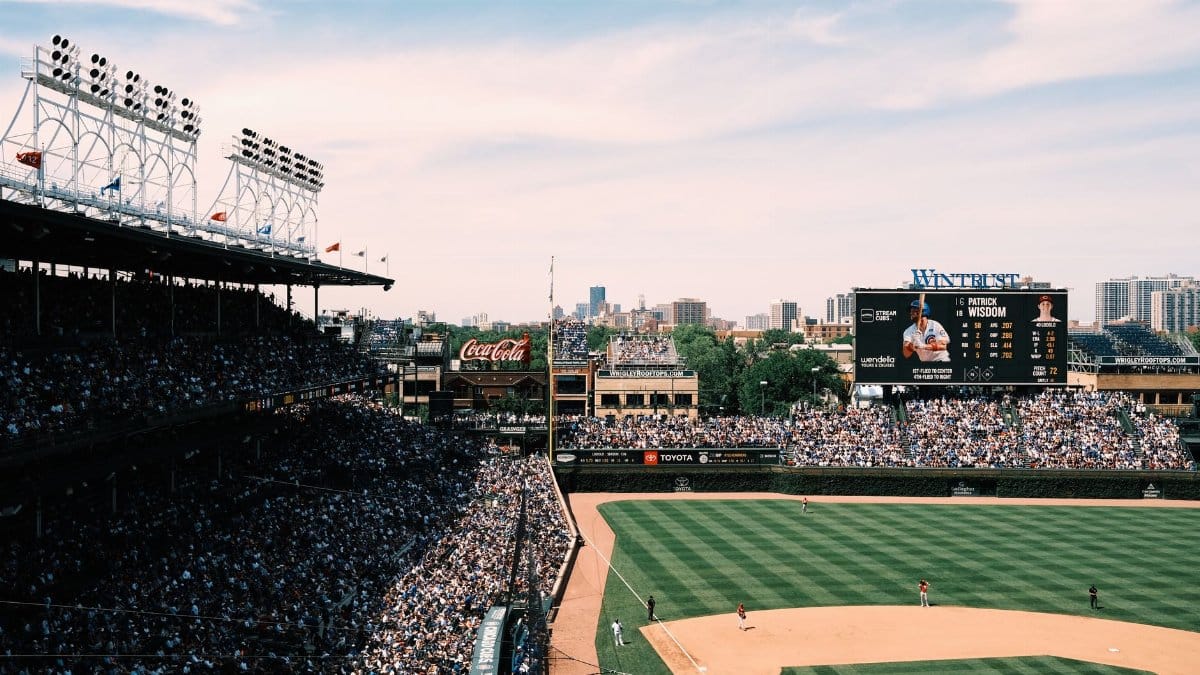
Many franchises have pursued new builds in recent decades often citing needs for greater capacity and luxury seating options. These projects frequently incorporate mixed use developments that extend beyond game days. Observing outcomes elsewhere provides context for what Chicago might expect in similar scenarios.
Environmental and Sustainability Factors

Modern venue design increasingly emphasizes energy efficiency and reduced ecological footprints. Upgrades at older sites can prove costly while entirely new constructions allow incorporation of advanced technologies from the outset. Discussions include ways to minimize disruption to nearby natural habitats during any construction phases.
Community Voices and Public Opinion

Residents express a range of views on the matter with some emphasizing the cultural importance of the current home while others focus on potential benefits of revitalized districts. Public forums have become venues for airing concerns and suggestions ensuring that decisions reflect broad input rather than solely commercial interests.
Future Prospects and Timeline Uncertainties

Negotiations could extend over several years as parties assess land availability financing models and regulatory approvals. The process requires careful coordination among multiple agencies to avoid delays that might affect team preparations. Observers anticipate further announcements as studies and proposals advance.