
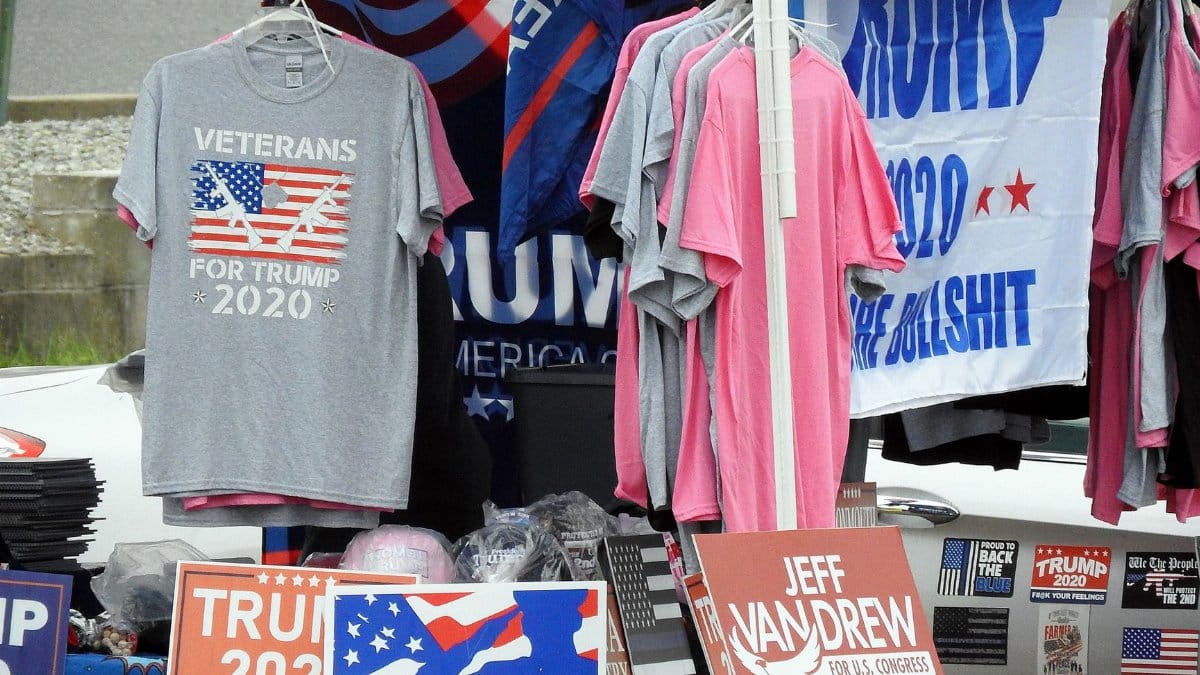
In the corridors of power in Washington a familiar tension has resurfaced as former President Donald Trump withholds his support for a major housing measure until lawmakers agree to new voter identification rules. This development has created the Trump Housing Bill Standoff a situation that blends domestic policy priorities with electoral concerns and has left both parties searching for a path forward.
Origins of the Current Legislative Dispute
The roots of this conflict trace back to earlier attempts to address housing affordability through expanded federal incentives for construction and rental assistance programs. Lawmakers had crafted a package intended to ease shortages in urban and suburban markets yet the former president made clear that his endorsement depended on parallel action regarding election integrity measures.
Role of Voter Identification Requirements
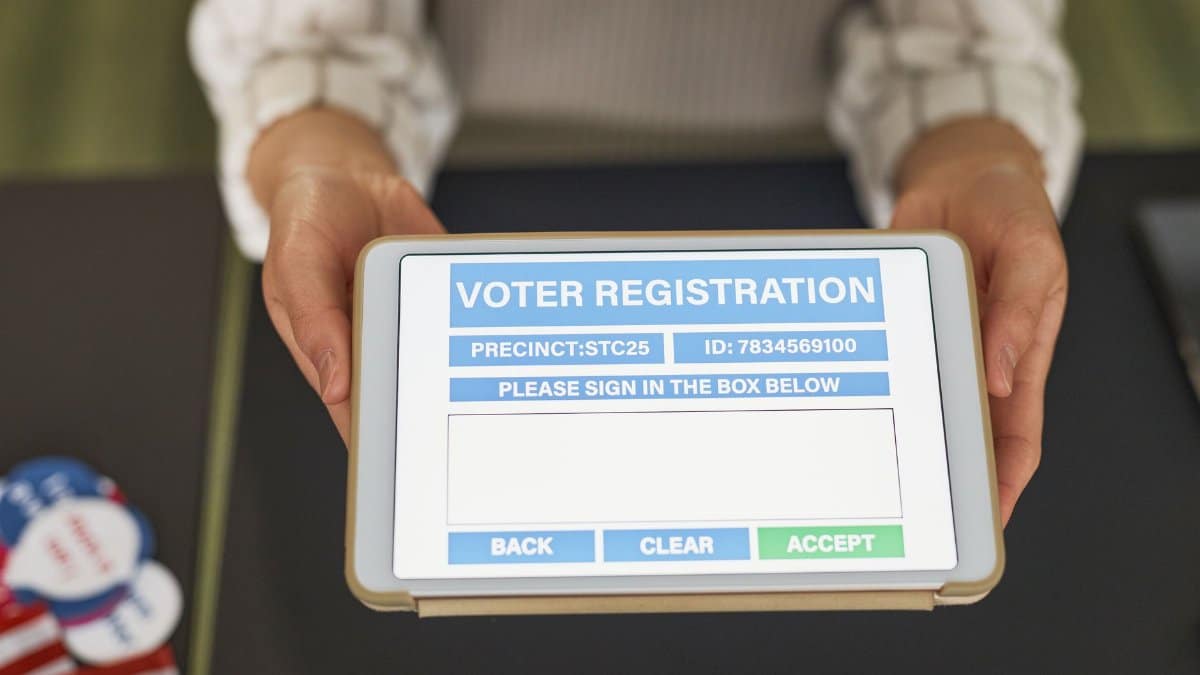
Central to the impasse stands the demand for uniform voter identification standards across states. Proponents argue these steps would strengthen public confidence in election outcomes while critics contend they could complicate access for certain populations. The linkage between housing policy and these requirements has surprised many observers who expected separate tracks for each issue.
Impact on Affordable Housing Markets

Communities across the country await clarity on whether funding for new units and rehabilitation projects will move ahead. Delays risk leaving developers without promised support and could slow progress on projects already in planning stages. Middle income families hoping for relief from rising rents now face added uncertainty as the political process unfolds.
Reactions from Congressional Leaders
Republican lawmakers have offered mixed assessments with some urging compromise to advance the housing elements and others defending the former president position as a necessary stand. Democratic voices have largely expressed frustration calling the conditions extraneous to the core purpose of the bill and warning of broader consequences for bipartisan cooperation.
Broader Economic Context Surrounding Housing

National trends show persistent gaps between supply and demand in many regions driven by high material costs and zoning restrictions that limit new building. The proposed legislation aimed to offset some of these pressures through targeted grants and tax adjustments yet the current standoff has shifted attention away from those economic details toward procedural disagreements.
Public Opinion and Media Coverage Patterns

Surveys indicate that voters remain divided along familiar lines with strong support for housing assistance in some areas and equally firm views on election procedures in others. News outlets have framed the episode as another example of how domestic priorities can become entangled with larger political strategies during an election cycle.
Potential Paths Toward Resolution

Negotiators continue to explore whether separate legislation on voter identification could satisfy the former president while allowing the housing provisions to proceed on their own merits. Such an approach would require careful coordination in both chambers and could set precedents for how future policy bundles are assembled.
Historical Precedents for Linked Policy Demands

Past administrations have occasionally tied approval of one measure to progress on another though the scale of the current housing package makes this instance notable. Observers recall similar episodes during budget negotiations where unrelated provisions became bargaining chips yet few involved the specific combination now at issue.
Implications for Future Legislative Strategy

The episode may influence how bills are structured in coming sessions as leaders weigh the risks of attaching conditions that fall outside traditional committee jurisdictions. Lawmakers on both sides appear aware that prolonged disputes could affect voter perceptions ahead of upcoming contests.