
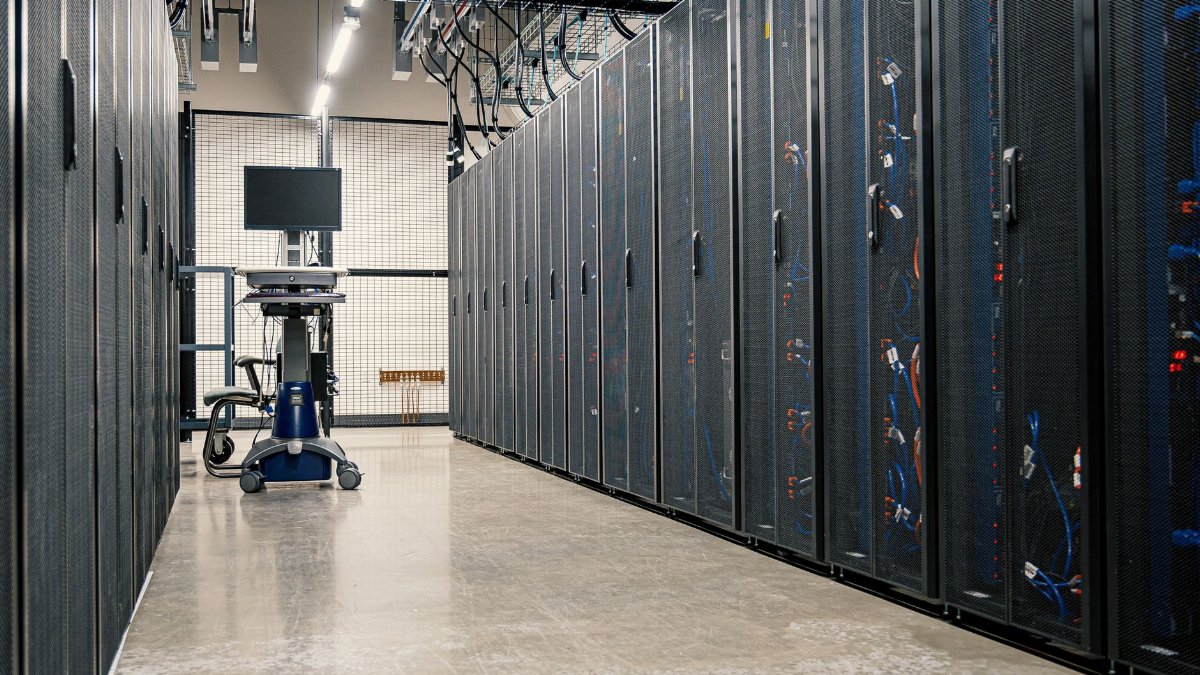
Residents in a quiet stretch of central Florida learned this week that plans for a sprawling facility had been pulled back, ending months of debate over land use and local resources. The decision by the project backer came after repeated public meetings where concerns about power demands and water supplies took center stage. Citrus County Data Center stood at the heart of those discussions, and its withdrawal marks a notable pause in regional development efforts.
Background on the Original Proposal

The idea surfaced more than a year ago when a development firm eyed a large tract near existing power lines. Officials described the project as a way to bring high tech infrastructure to an area better known for agriculture and tourism. Early filings suggested thousands of servers would occupy the site, supported by cooling systems that would draw heavily from local utilities. Community leaders initially welcomed the potential tax revenue, yet details about scale soon raised questions.
Community Meetings Spark Early Concerns

Public sessions drew steady crowds as neighbors asked about noise from cooling fans and the visual impact of large buildings. Speakers noted that similar installations elsewhere had altered traffic patterns and strained electrical grids during peak hours. County records show attendance at these gatherings often exceeded room capacity, with residents arriving early to secure seats. The tone remained measured, though frustration grew over limited answers on long term maintenance costs.
Environmental Factors Take Prominence

Critics highlighted risks to nearby wetlands and the potential for increased emissions tied to backup generators. State environmental agencies received multiple letters requesting full impact studies before any permits advanced. Data on water consumption for cooling became a focal point, especially in a region that has faced periodic drought conditions. Advocates for preservation argued that once construction began, reversing course would prove difficult.
Company Cites Public Feedback in Withdrawal

In a brief statement issued last Monday, the firm behind the effort said it had reassessed its options after reviewing comments from residents and officials. The announcement emphasized a desire to avoid prolonged conflict rather than any technical barriers. No revised timeline was offered, leaving open the possibility of future submissions in other locations. Local observers viewed the move as a direct response to organized input.
Role of Local Government in the Process
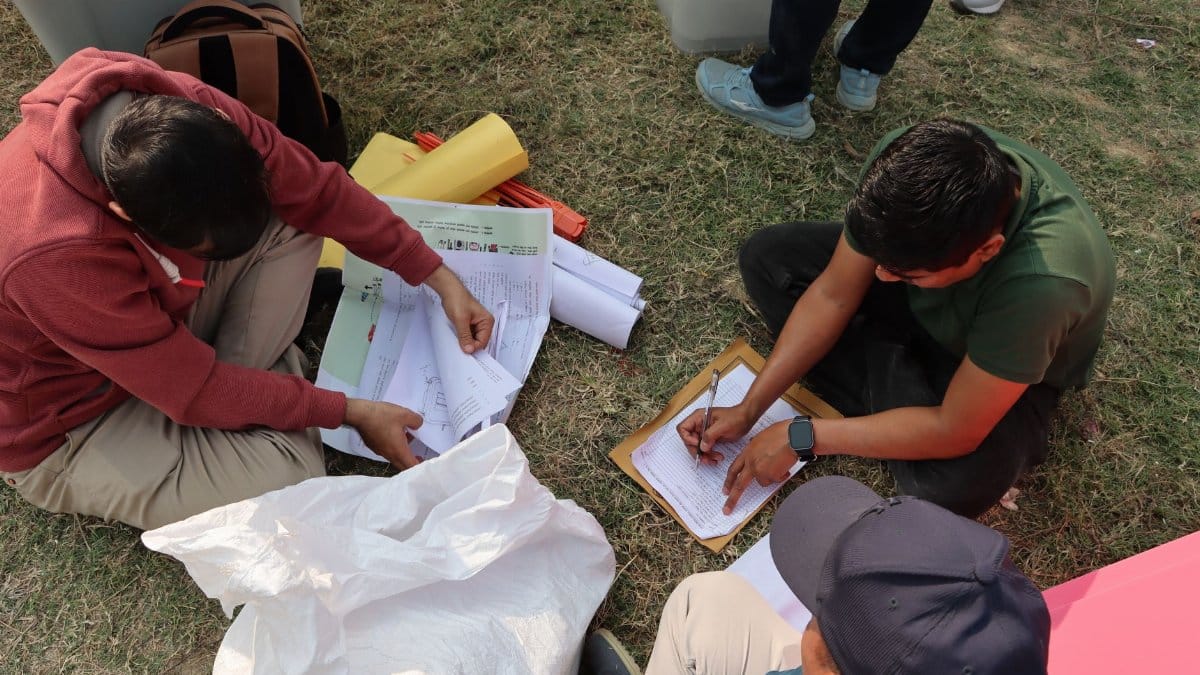
County commissioners had scheduled a vote on zoning adjustments when the withdrawal notice arrived. Staff reports prepared ahead of that meeting outlined both projected benefits and infrastructure needs. Several elected leaders expressed relief that the decision spared them a divisive ballot. Planning department documents remain available for public review, detailing the original site maps and utility assessments.
Comparisons With Other Florida Projects
Similar proposals have advanced in neighboring counties with varying degrees of resistance. In some cases, incentives such as tax abatements helped secure approvals despite environmental objections. Citrus County appears to have followed a different path, where sustained resident engagement shifted momentum. Analysts note that data center growth across the state continues, driven by demand from cloud services and artificial intelligence applications.
Economic Tradeoffs Under Discussion

Supporters had pointed to job creation during construction and a smaller number of permanent positions once operations began. Opponents countered that such facilities often rely on automated systems, limiting ongoing employment. Property value studies from comparable sites suggested mixed outcomes, with some areas seeing rises near infrastructure corridors and others reporting stagnation. The absence of the project leaves those calculations unresolved for now.
Next Steps for Land Use Planning
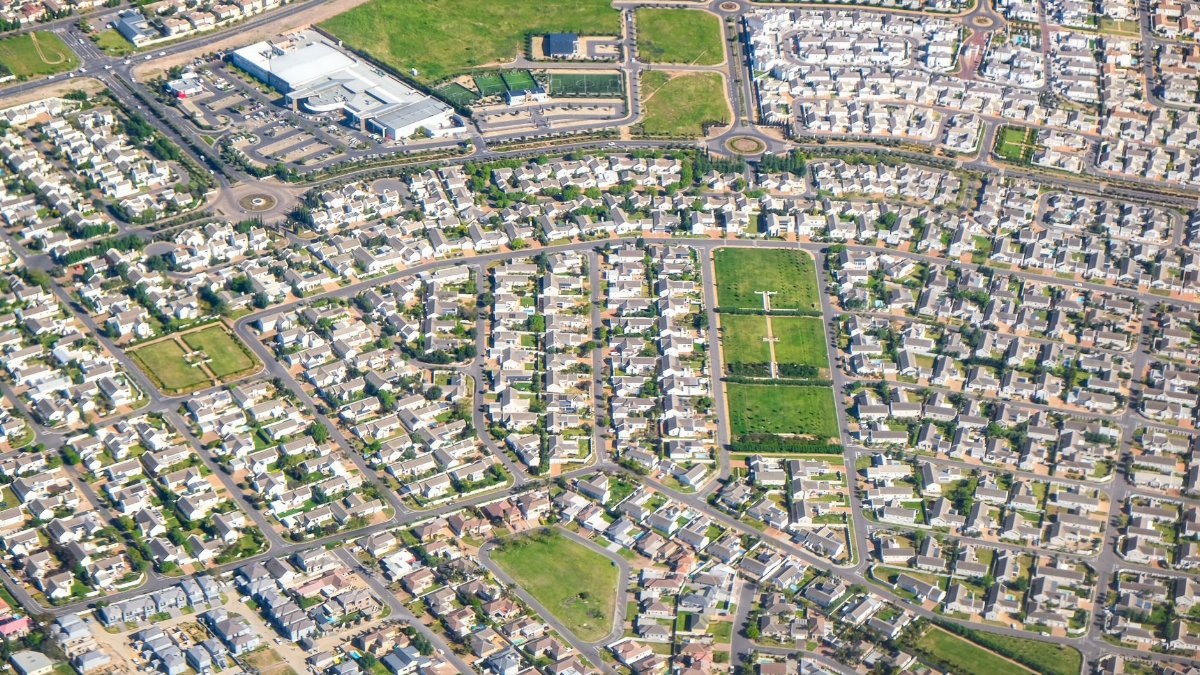
With the proposal off the table, county planners have returned attention to updating their comprehensive growth map. Public workshops are expected later this summer to gather input on preferred development types. Agricultural preservation remains a priority for many participants, alongside efforts to diversify the tax base without large scale industrial footprints. Officials have not ruled out smaller tech related investments that align with existing zoning.
Broader Implications for Regional Development
The episode illustrates how citizen involvement can influence project timelines even when initial support exists among policymakers. Other developers may study the outcome as they evaluate sites across the Southeast. Energy providers, meanwhile, continue to assess regional capacity for high demand users regardless of location. The pause offers a window for updated modeling on power and water needs before new applications surface.